
Our readers keep the lights on and the weekend projects moving. As an Amazon Associate, I earn from qualifying purchases.
Nailing a 5K personal record doesn’t come from fancy splits or a new playlist — it starts with the foam energy return under your foot. Between the high-stack cushioning war and the shift toward pebax-based midsoles, choosing the right neutral trainer has never been more mechanically decisive for that specific 3.1-mile push.
I’m Rikta — the co-founder and writer behind FitlyFast. I’ve spent hundreds of hours reading lab reports, parsing foam durometer data, and cross-referencing outsole wear patterns to build this guide to the most race-ready neutral trainers on the market.
Whether you are chasing a new PR or simply want your legs to feel fresh after the finish line, this breakdown of the best 5k running shoes will save you both return-shipping headaches and wasted training cycles.
How To Choose The Best 5K Running Shoes
Picking a 5K shoe is about balancing immediate ground feel with enough foam stack to prevent your calves from locking up at mile 2.5. You do not need a marathon cruiser or an ultra-thin racing flat; the sweet spot sits between 28mm and 38mm of stack with a responsive, not mushy, midsole compound.
Foam Energy Return vs. Cushion Depth
A shoe that feels like a marshmallow under heel may feel dead by the third kilometer. Look for supercritical foams (Pebax, TPEE blends) that snap back quickly rather than traditional EVA that compresses and stays flat. For a 5K, you want propulsive rebound, not max-absorption plushness.
Rocker Geometry for Turnover
The angle of the forefoot rocker dictates how smoothly you roll off the toe. A pronounced rocker reduces ankle flexion demand and encourages a faster cadence without extra effort. This is why many reviewers mention a shoe “feels fast” even when it weighs as much as a daily trainer.
Weight and Upper Construction
Every extra ounce on your foot slows your turnover over 3.1 miles. A breathable mesh upper with minimal overlays keeps the shoe in the 7-9 ounce range for a men’s size 9. Engineered knit uppers also reduce pressure points that cause hot spots during hard efforts.
Quick Comparison
On smaller screens, swipe sideways to see the full table.
| Model | Category | Best For | Key Spec | Amazon |
|---|---|---|---|---|
| ASICS SUPERBLAST 2 | Premium | All-round performance & joint protection | 45mm heel stack / 37mm forefoot | Amazon |
| On Cloudmonster 2 | Premium | Cruising comfort & style | Helion foam / CloudTec pods | Amazon |
| Saucony Endorphin Speed 3 | Mid-Range | Fast training & race day | PWRRUN PB foam / nylon plate | Amazon |
| Hoka Mach 6 | Mid-Range | Lightweight daily speed work | 8.7 oz / 35mm stack | Amazon |
| New Balance FuelCell Rebel V5 (Men’s) | Mid-Range | Medium distance speed runs | FuelCell foam / 6mm drop | Amazon |
| New Balance FuelCell Rebel V4 (Women’s) | Mid-Range | Budget-friendly speed trainer | FuelCell foam / 6mm drop | Amazon |
| Brooks Revel 8 (Men’s) | Budget | Entry-level neutral daily runner | BioMoGo DNA midsole / 12mm drop | Amazon |
In‑Depth Reviews
1. ASICS SUPERBLAST 2
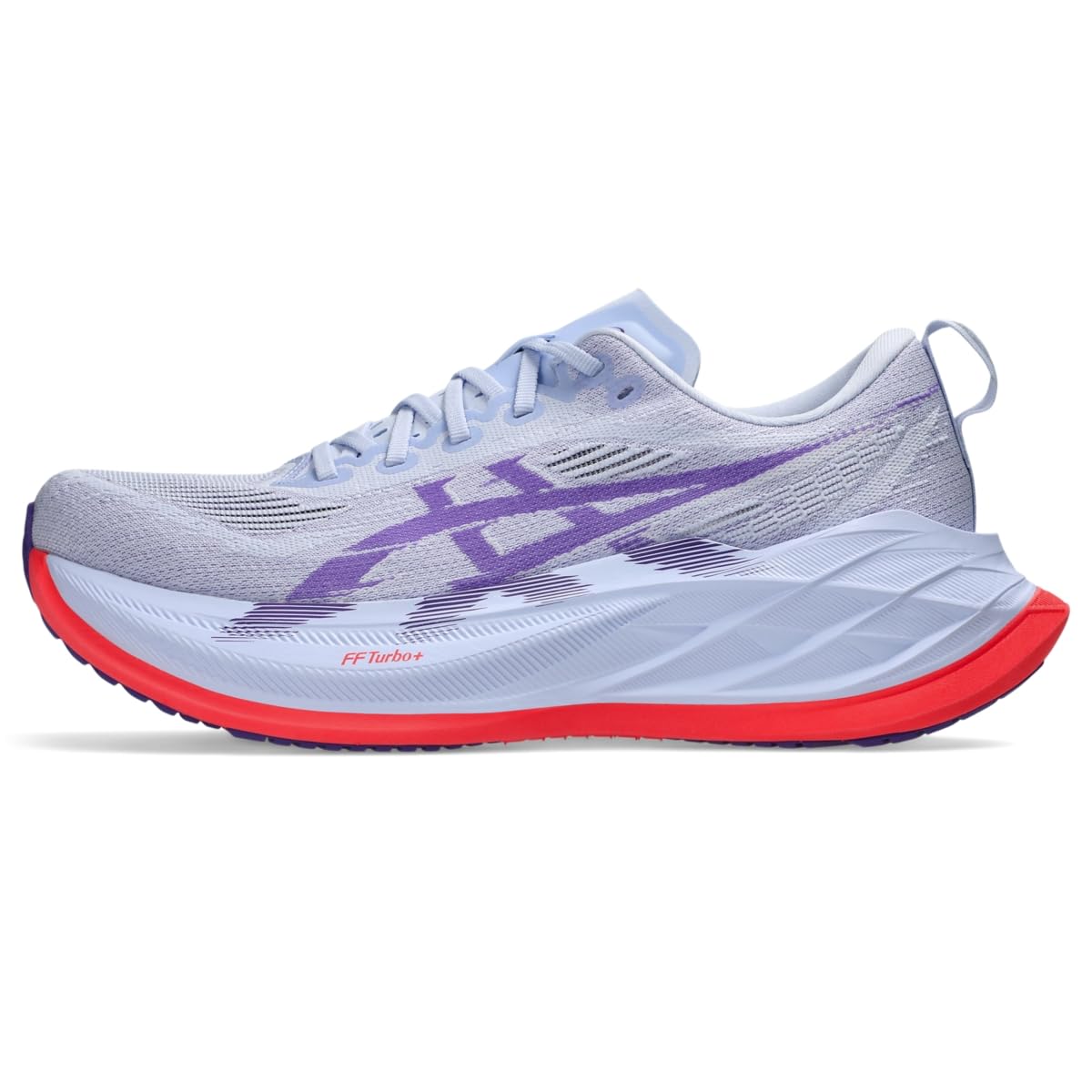
The SUPERBLAST 2 sits at the top of the premium neutral trainer category for a reason. Its FF BLAST TURBO midsole — a supercritical foam blend — delivers springier energy return than many carbon-plated shoes while remaining softer than everyday trainers. Multiple reviewers confirm the high stack height feels stable, not wobbly, even for heavier runners with slightly wider feet.
Heel-to-toe transition is smooth right out of the box; there is zero break-in period. The upper fits true to size with enough room in the toe box for natural splay, a detail that matters when you’re pushing turnover in the final kilometer. Runners coming from Hoka or Brooks consistently note superior comfort and snap on this model.
Where it excels for the 5K distance is its ability to handle both slow warm-up pace and all-out race pace without feeling dead or overly soft. For a single shoe that covers training and racing, this is the most versatile premium option available.
Why it’s great
- Outstanding energy return that rivals carbon-plated shoes
- Stable high stack with minimal ankle roll risk
- No break-in required — comfortable from first step
Good to know
- Premium price tier; not a budget pick
- Size up half if you have wide feet
2. On Cloudmonster 2
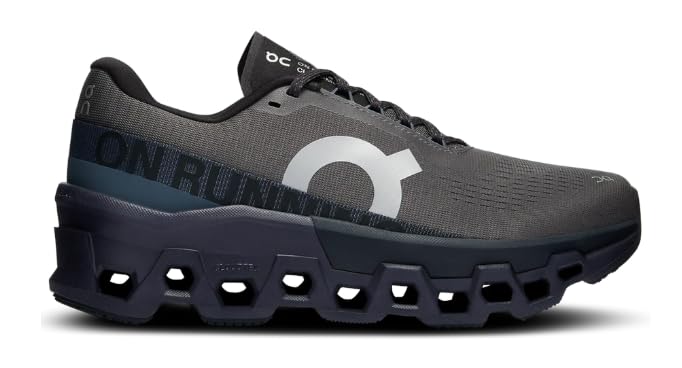
The Cloudmonster 2 from On is designed for those who want a plush, protective ride without sacrificing the brand’s signature rocker feel. Its CloudTec pods and Helion superfoam deliver a soft landing that reviewers describe as extremely comfortable for both walking and running, with the durability to hold that feel for hundreds of miles.
Testers consistently note the shoe’s true-to-size fit and lightweight build — surprising for a shoe with this much cushion underfoot. It transitions smoothly through the gait cycle, and the upper breathes well even on warmer days. The aesthetic is a clear draw for those who care about how their gear looks on the road or treadmill.
For the 5K runner, this shoe works best if you prioritize joint comfort over razor-sharp ground feel. The cushion absorbs impact effectively, which can help maintain leg freshness through multiple hard efforts in a training week. It is less aggressive than the SUPERBLAST 2 at top-end pace.
Why it’s great
- Extremely comfortable with long-lasting cushion feel
- Lightweight for its stack height
- High-quality build and stylish design
Good to know
- Premium price bracket
- Less snappy at all-out 5K pace vs. competitors
3. Saucony Endorphin Speed 3
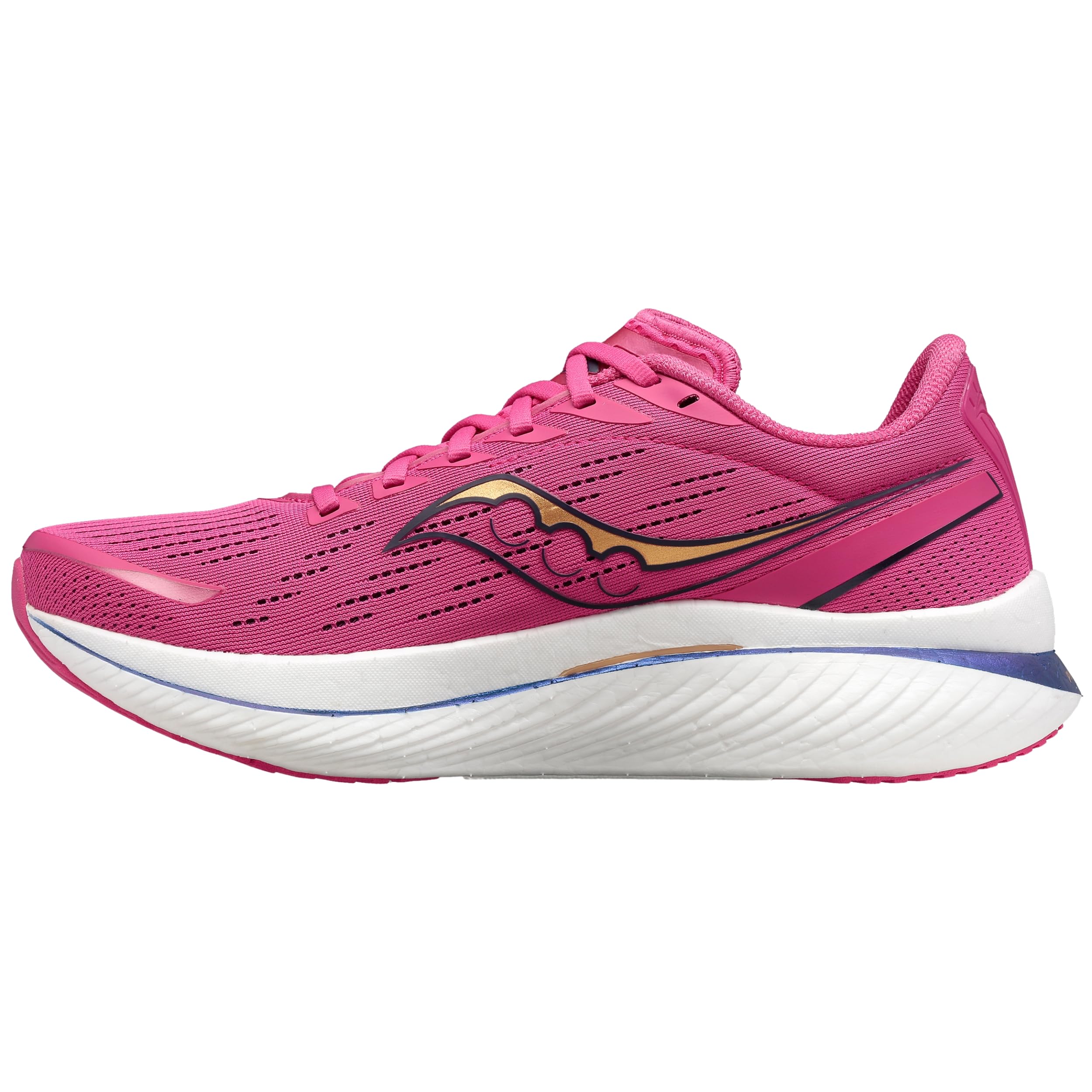
The Endorphin Speed 3 is the closest you can get to a super-shoe without a carbon plate price tag. It uses a nylon plate embedded in PWRRUN PB foam to create a springy, propulsive ride that reviewers note encourages fast turnover. Runners have logged over 100 miles on a single pair with the foam still feeling responsive.
Reviewers specifically mention the shoe feels stable through corners compared to earlier versions, and the stretchy upper adapts well to different foot shapes so you don’t have to stress over lace tension. On gravel or dirt roads, the outsole provides enough grip to feel confident, and the 10-mile test runs left legs feeling fresh — a strong sign for a 5K effort.
The main trade-off is wet-pavement traction, which multiple reviewers flag as slippery. Also, some runners find the Styrofoam-like sole initially feels unstable until a short break-in period. This is strictly a performance shoe, not an all-day walker.
Why it’s great
- Nylon plate provides real propulsive snap
- Very light and encourages faster cadence
- Stable cornering for a high-stack speed shoe
Good to know
- Slippery on wet pavement
- Short break-in period for stability feel
4. Hoka Mach 6
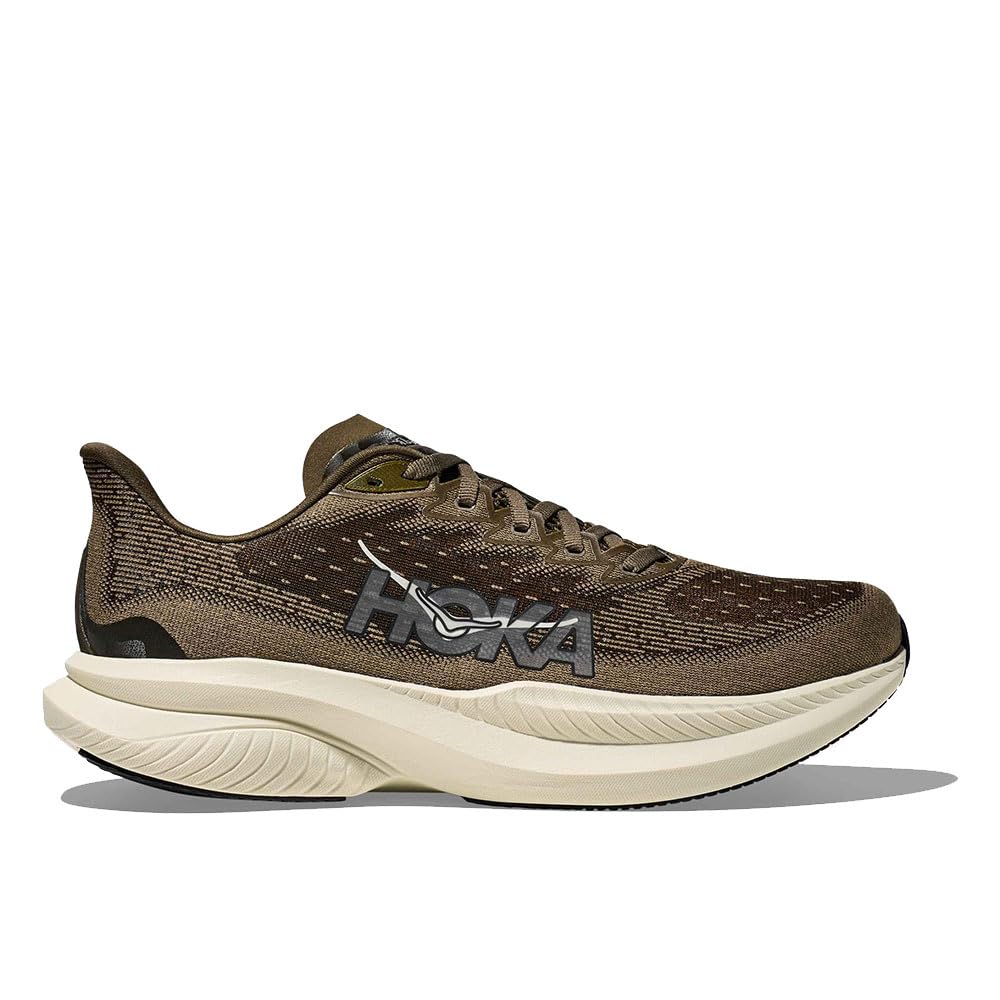
The Hoka Mach 6 strips away excess weight to deliver a natural, slipper-like feel that reviewers consistently describe as the “best running shoe” they have owned. The rocker geometry is present but not exaggerated, allowing a smooth roll-through without the aggressive spring that some Hoka models have. At under 9 ounces, it disappears on your foot.
Multiple reviewers note zero knee pain after a 5K, which points to excellent shock absorption for a shoe this light. The upper breathes well, the tongue does not dig in, and the heel stays locked without rubbing. One reviewer who runs through shoes quickly noted these stayed comfortable longer than any previous pair.
The Mach 6 is ideal for runners who want a lightweight trainer that can double as a race-day shoe for the 5K distance. It is less plush than the Cloudmonster 2 and less snappy than the Endorphin Speed 3, but it strikes a near-perfect balance for the runner who values ground feel and low weight above all else.
Why it’s great
- Extremely lightweight and natural feeling
- Nice rocker motion without being too aggressive
- Proven long-term comfort with no break-in
Good to know
- Not as springy as plate-equipped shoes
- Higher price for a daily trainer category
5. New Balance FuelCell Rebel V5 (Men’s)
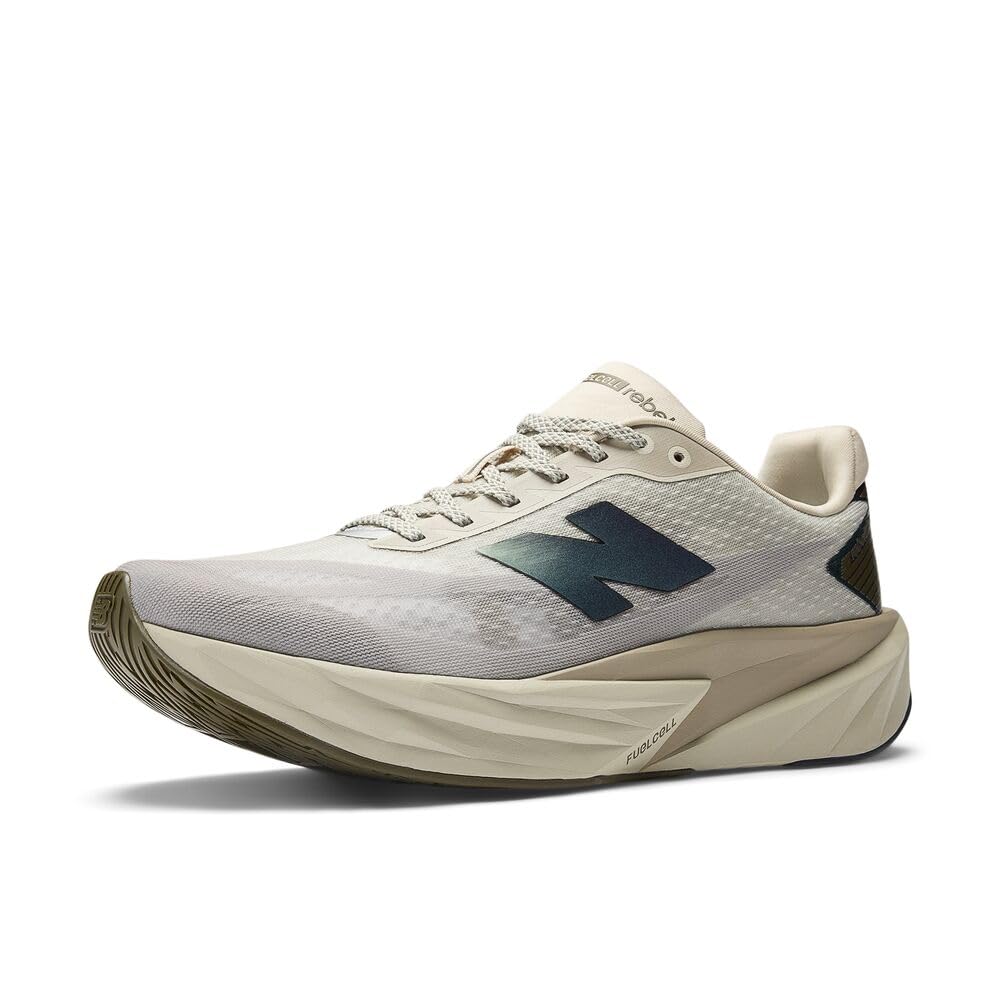
The FuelCell Rebel V5 is a subtle evolution of a fan-favorite mid-range speed trainer. Reviewers note the shoe is super lightweight with excellent cushioning and solid responsiveness, making it ideal for medium-distance efforts in the 5K to 10K range. The FuelCell foam provides a fairly springy feel, though some testers describe the energy return as average compared to premium foams.
Multiple runners confirm the fit runs true to size with enough volume to accommodate orthotics. The upper is breathable and supportive, and the shoe has proved itself on 6- to 9-mile runs without any comfort issues. Stack height is higher than previous versions, which gives it a plusher ride than the V4.
Durability is a mixed bag — the outsole shows some wear at 75-100 miles but remains functional past 150 miles. For the price, this is a strong daily trainer that can handle 5K speed sessions and recovery jogs equally well.
Why it’s great
- Lightweight and breathable build
- True-to-size fit that works with orthotics
- Versatile for both speed work and easy runs
Good to know
- Outsole wear visible at 75-100 miles
- Energy return lags behind premium foam competitors
6. New Balance FuelCell Rebel V4 (Women’s)
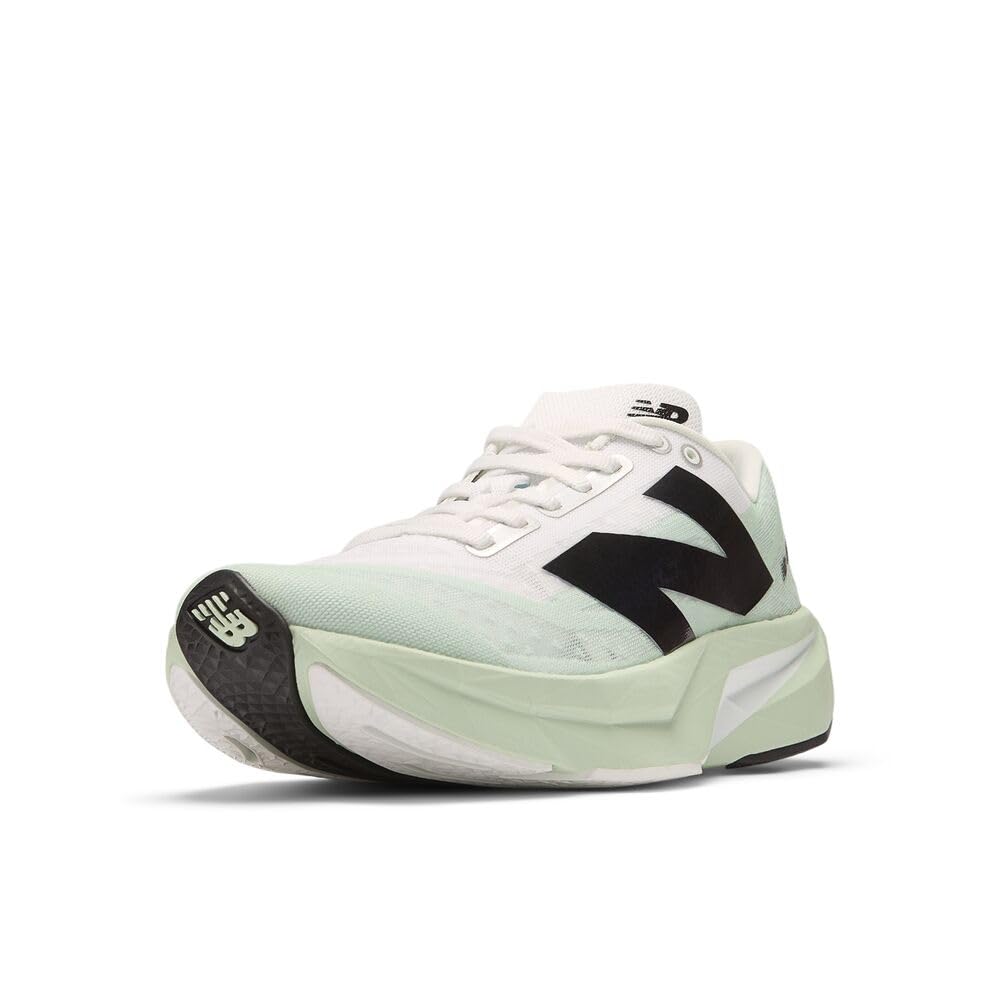
The FuelCell Rebel V4 is a budget-friendly speed trainer that punches above its weight class. Reviewers upgrading from generic sneakers report a drastic improvement in comfort and performance — one runner noted a 6.75-mile treadmill run felt drastically more comfortable than their previous shoes. The FuelCell foam provides soft yet responsive cushioning that reduces foot and leg fatigue.
Runners coming from the Brooks Hyperion Max describe the V4 as having firm cushioning ideal for push-off with no foot soreness after 4 miles. The shoe supports bad ankles, knees, and backs without feeling overly squishy like some maximalist trainers. The lightweight build and breathable upper make it a solid choice for warm-weather 5K training.
The critical sizing note: multiple reviewers state this shoe runs small and recommend ordering a full size up. Once you nail the fit, it delivers a premium-like ride at a budget-friendly price point.
Why it’s great
- Soft yet responsive cushion that reduces fatigue
- Supports ankles, knees, and back without being mushy
- Great value for the performance delivered
Good to know
- Runs small — order a full size up
- Firm ride may not suit runners who prefer maximum plushness
7. Brooks Revel 8 (Men’s)
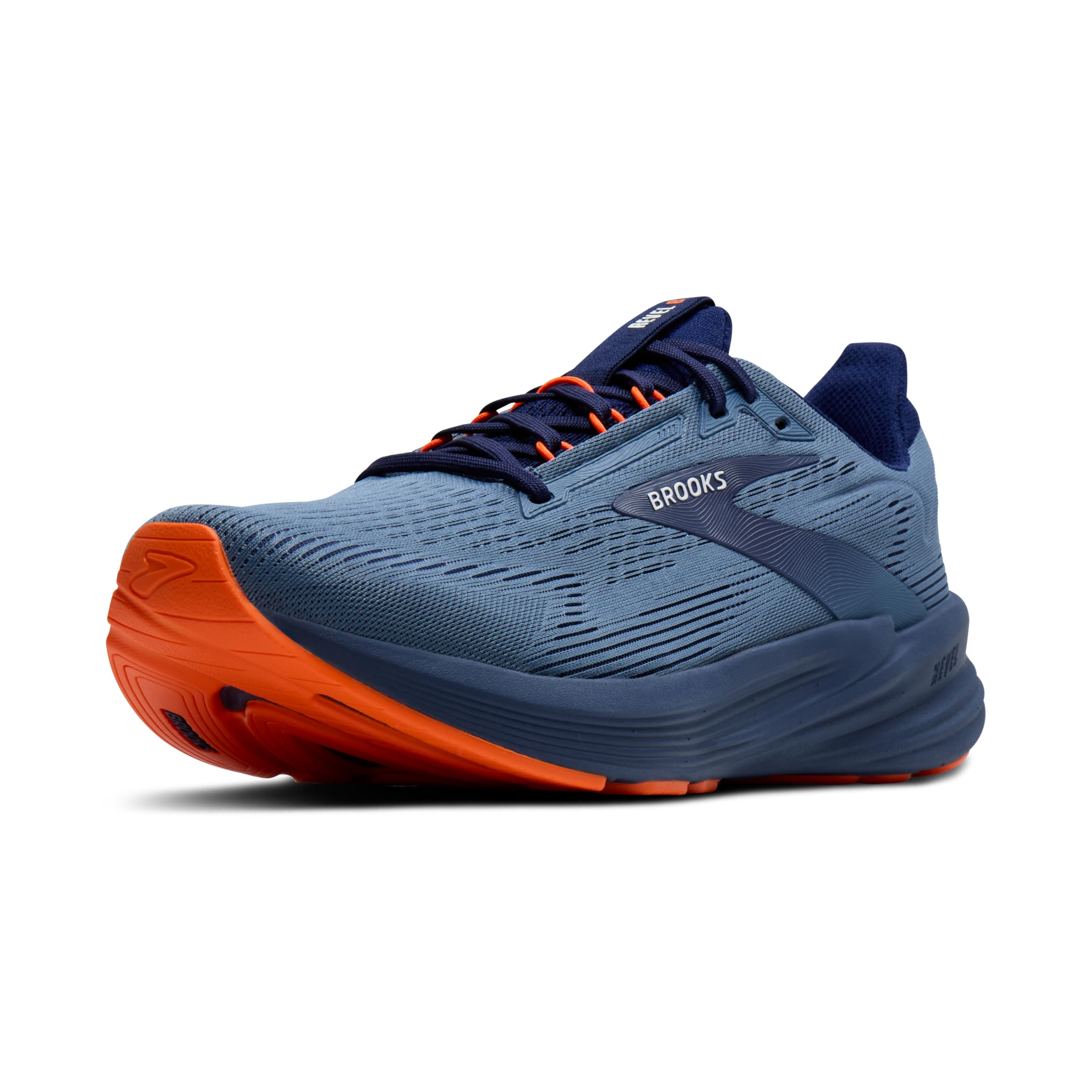
The Brooks Revel 8 is the entry-level champion for runners who want a reliable, comfortable neutral shoe without a steep price commitment. Reviewers consistently note the BioMoGo DNA midsole provides excellent support and cushioning right out of the box, with a fit that runs true to size for most foot shapes. One referee logged 274 miles in these without the bloody toenails they experienced in trail runners.
Multiple runners describe the shoe as lightweight, breathable, and comfortable for both walking and running. The outsole durability earns praise, with soles lasting well beyond what you would expect at this price point. The 12mm drop is higher than most speed trainers, which makes it a better fit for heel strikers or runners transitioning from casual footwear.
The main caveat: one reviewer noted the shoelaces are very short, and some runners required a full size up compared to other brands like Merrell or New Balance. For a casual 5K runner or someone on a budget, the Revel 8 delivers dependable Brooks quality without any flashy gimmicks.
Why it’s great
- Reliable cushioning and support for daily miles
- Lightweight and breathable upper
- Long-lasting outsole durability for the price
Good to know
- 12mm drop is high — less ideal for mid/forefoot strikers
- May need to size up from your usual running shoe size
FAQ
Do I need a carbon plate shoe for a 5K?
How much stack height is ideal for a 5K?
Should I buy a half size larger in running shoes?
Final Thoughts: The Verdict
For most runners, the best 5k running shoes winner is the ASICS SUPERBLAST 2 because it delivers the best balance of energy return, stability, and versatility for both training and race day. If you want a lightweight rocker feel at a lower price point, grab the Hoka Mach 6. And for the runner chasing a PR on a budget, nothing beats the Saucony Endorphin Speed 3.