
Our readers keep the lights on and the weekend projects moving. As an Amazon Associate, I earn from qualifying purchases.
When seasonal allergies strike, the dual assault of relentless itching and chronic dryness can turn a simple day into a blur of discomfort. You need a solution that tackles the histamine reaction without stripping away your eyes’ natural moisture barrier, leaving them feeling parched.
I’m Rikta — the co-founder and writer behind FitlyFast. I’ve spent months analyzing patient-reported outcomes, comparing preservative systems, and breaking down active ingredient concentrations across dozens of formulations to understand how each drop interacts with the ocular surface.
Whether you’re dealing with pollen, pet dander, or dust mites, finding the right formula means navigating a maze of antihistamines, lubricants, and preservatives. That’s why I assembled this guide to the allergy eye drops for dry eyes that actually balance itch relief with sustained hydration.
How To Choose The Best Allergy Eye Drops For Dry Eyes
Not every drop that stops the itch is good for your tear film. The challenge is finding a formula that neutralizes histamines without containing harsh preservatives or vasoconstrictors that worsen dryness over time. Here are the key factors to weigh.
Active ingredient: Antihistamine vs. Mast Cell Stabilizer
The most effective modern allergy drops use olopatadine, which is both an antihistamine and a mast cell stabilizer. This dual action blocks the itch response and prevents future histamine release. If your primary symptom is dryness with mild itch, a lubricating drop with added antihistamine might be sufficient; for severe itching, a dedicated once-daily olopatadine drop is the best first step.
Preservative profile: Purite vs. BAK vs. Preservative-Free
Preservatives prevent bacterial growth in multidose bottles, but certain types can irritate the cornea. Benzalkonium chloride (BAK) is common but can damage the tear film with frequent use. Purite breaks down into natural tear components on contact, making it gentler. Preservative-free drops come in single-dose vials or specialized multidose bottles that keep the solution sterile without chemicals, ideal if you use drops more than four times daily or have sensitive eyes.
Lubrication base: Electrolytes, carboxymethylcellulose, or hydroxypropyl methylcellulose
The carrier liquid in the drop determines how long moisture lasts. Electrolyte-balanced formulas (such as those found in TheraTears) mimic natural tear chemistry and support the tear film’s lipid layer. Viscosity agents like carboxymethylcellulose provide thicker, longer-lasting surface coverage but can blur vision briefly. For contact lens wearers, a low-viscosity, preservative-free drop that doesn’t leave residue is critical.
Quick Comparison
On smaller screens, swipe sideways to see the full table.
| Model | Category | Best For | Key Spec | Amazon |
|---|---|---|---|---|
| Bausch + Lomb Advanced Eye Relief | Antihistamine | Itch relief up to 16 hours | Olopatadine 0.2% | Amazon |
| Glenmark Therapeutics Olopatadine | Antihistamine | Budget-friendly prescription strength | Olopatadine HCl 0.2% | Amazon |
| NAPHCON A | Anti-itch | Long-lasting anti-itch and redness | Naphazoline HCl + Pheniramine | Amazon |
| TheraTears Dry Eye Therapy | Lubricant | Electrolyte-balanced dry eye relief | Electrolyte formula | Amazon |
| Refresh Tears | Lubricant | Gentle daily screen-use relief | Purite preservative system | Amazon |
| OPTASE Allegro | Preservative-Free | Allergy-prone sensitive eyes | Preservative-free, HEC formula | Amazon |
| Systane Contacts Soothing Drops | Contact Lens | Contact lens re-wetting | Thick consistency lubrication | Amazon |
In‑Depth Reviews
1. Bausch + Lomb Advanced Eye Relief
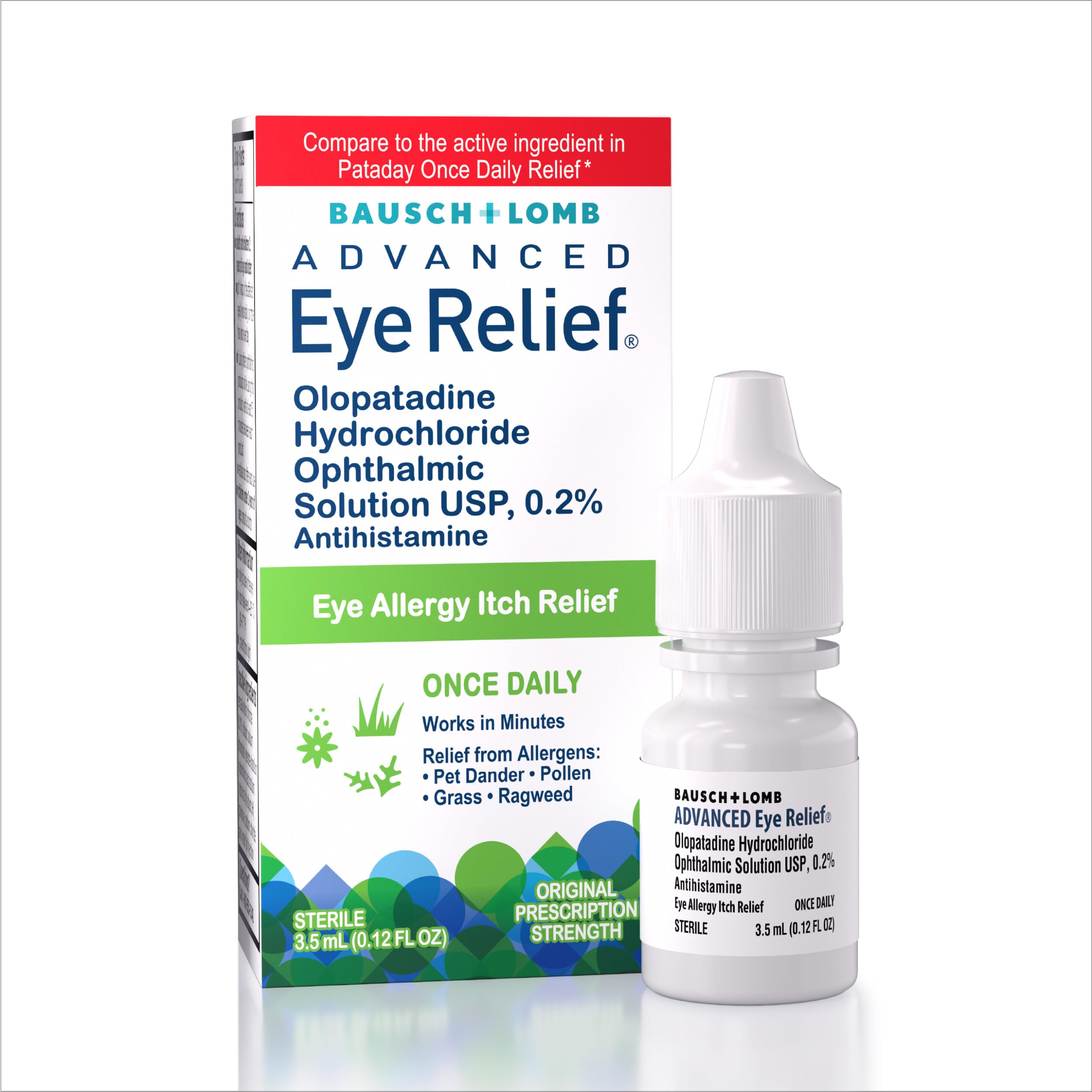
This is the drop that bridges the gap between mild lubricants and prescription-only medication. The 0.2% olopatadine concentration provides antihistamine and mast cell stabilizing effects in a single drop, working within minutes and lasting up to 16 hours. For seasonal allergy sufferers who also experience dryness, this formula targets the root cause of the itch without relying on vasoconstrictors that can cause rebound redness.
Users consistently report a dramatic reduction in eye rubbing and irritation after switching from over-the-counter antihistamines. The bottle is small, but because it’s used once daily, a single bottle covers about a month of consistent treatment. The drop itself feels thin and non-stinging, with minimal blur.
It’s important to note that this is a dedicated allergy drop, not a heavy-duty lubricant. If your primary complaint is severe dryness unrelated to allergies, you may still need a separate preservative-free artificial tear. But for the itch-dry cycle triggered by allergens, this is the single most effective product on this list.
Why it’s great
- Once-daily convenience with 16-hour itch relief
- Prescription-strength olopatadine without a visit to the doctor
- Minimal stinging or blur upon application
Good to know
- Small bottle size for the cost
- Not a heavy lubricant; severe dry eyes may need a partner drop
2. Glenmark Therapeutics Olopatadine Eye Drops
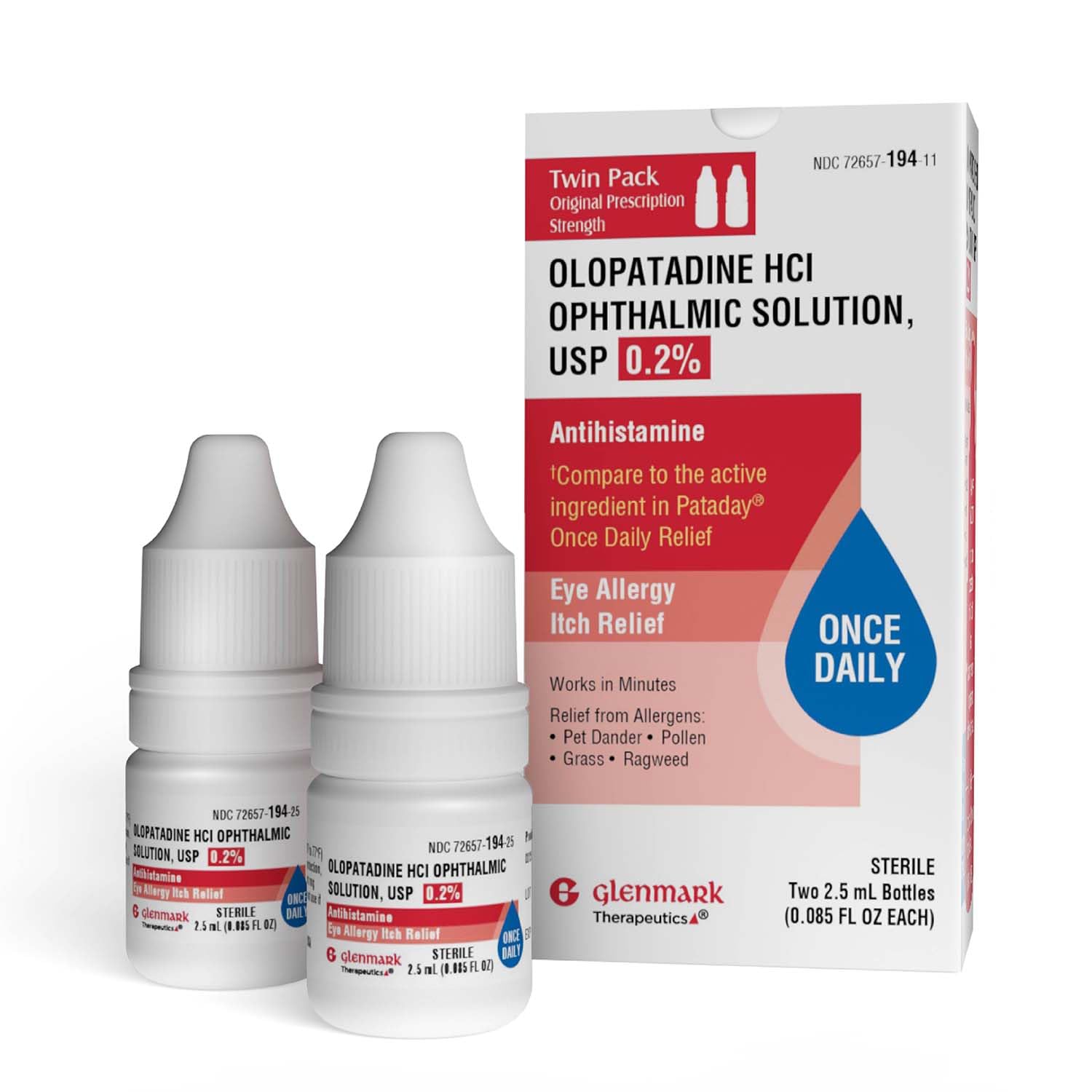
Glenmark delivers the same active ingredient — olopatadine HCl 0.2% — as the brand-name Pataday at a fraction of the cost, packaged in a twin pack that effectively cuts the price per dose even further. This is a straightforward, effective antihistamine drop that starts reducing itch within minutes of application and maintains relief for a full day.
Users with hay fever, pet allergies, and grass allergies find this especially effective at halting the urge to rub. The formula is gentle on the ocular surface, with no burning or stinging reported even by those with sensitive eyes. Each small bottle is about a 30-day supply, and the twin pack gives you two months of coverage.
The main drawback is the bottle design; the dropper tip is small and can be tricky to squeeze precisely. Some users report a learning curve to dispense a single drop without waste. However, for pure itch-fighting efficacy, this is the best value proposition among the olopatadine options.
Why it’s great
- Same active ingredient as Pataday at a lower cost
- Twin pack provides excellent value for long-term use
- No stinging or burning on application
Good to know
- Small dropper tip can be difficult to handle
- Not a lubricant; dryness may require additional drops
3. NAPHCON A Eye Drops
NAPHCON A uses a classic dual-action approach: naphazoline to constrict blood vessels and reduce redness, plus pheniramine as an antihistamine. This combination provides rapid cosmetic relief for red, itchy eyes caused by airborne allergens. The three-pack is a substantial supply that lasts many months, making it a cost-effective option for frequent allergy flare-ups.
User reports are highly positive for stopping itch and clearing redness quickly. The drop is well-tolerated and doesn’t cause the intense sting that some redness-relief formulas produce. Those with sensitivity to pheniramine or naphazoline should proceed with caution, as prolonged use can occasionally lead to rebound redness (conjunctivitis medicamentosa).
This is not a lubricating tear substitute. If chronic dryness is your main complaint, this drop won’t help hydrate the ocular surface. It’s best reserved for acute allergic episodes where redness and intense itch are the primary symptoms, and it’s best used sparingly — not as a daily moisturizer.
Why it’s great
- Fast visible reduction of redness and itch
- Economical three-pack offers long supply
- Gentle, non-stinging formula
Good to know
- Contains decongestant; risk of rebound redness with overuse
- No lubrication benefit for dry eye symptoms
4. TheraTears Dry Eye Therapy
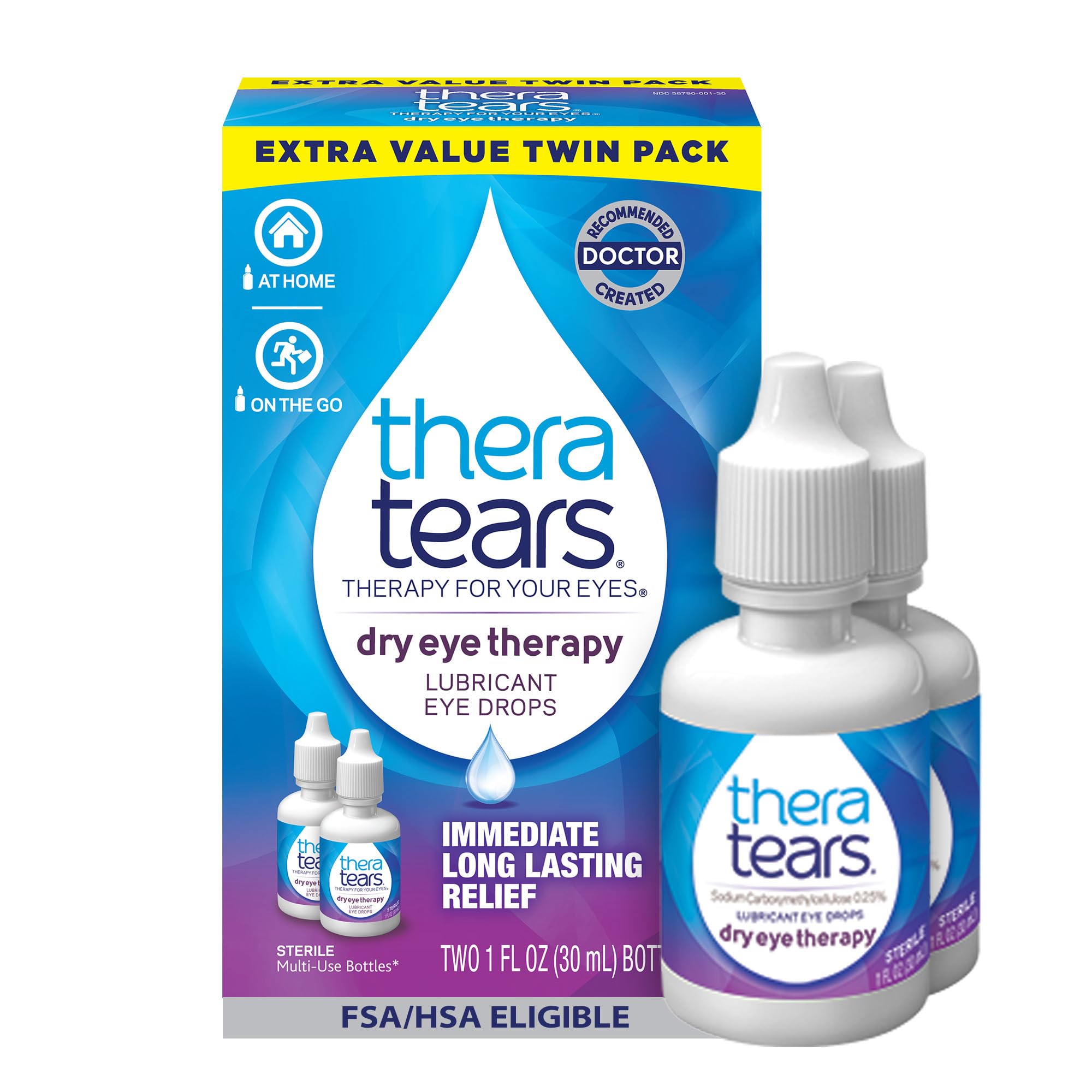
Developed by an ophthalmologist after 18 years of research, TheraTears distinguishes itself with an electrolyte-balanced formula that mimics natural tears. This isn’t an antihistamine drop — it’s a high-quality lubricant designed to replenish the eye’s natural moisture barrier. For allergy-prone eyes that aren’t inflamed but feel persistently dry and gritty, this drop restores comfort without medication.
Users praise its light, non-sticky texture that doesn’t blur vision. The twin-pack offers solid value, and the drop works well for screen-related dryness, mild environmental irritation, and post-LASIK recovery. It contains no vasoconstrictors or antihistamines, so it’s safe to use as often as needed.
The limitation is that it doesn’t directly treat the histamine cascade. If your eyes are actively itching from an allergic reaction, this drop will provide temporary hydration but won’t stop the allergic response. It’s best used as a complementary product alongside a dedicated antihistamine drop like the Bausch + Lomb or Glenmark olopatadine options.
Why it’s great
- Electrolyte formula supports natural tear film
- Non-sticky, thin consistency with minimal blur
- Safe for frequent use, no medication interactions
Good to know
- Not an antihistamine; doesn’t stop allergic itch
- Requires reapplication for severe dryness
5. Refresh Tears Lubricant Eye Drops
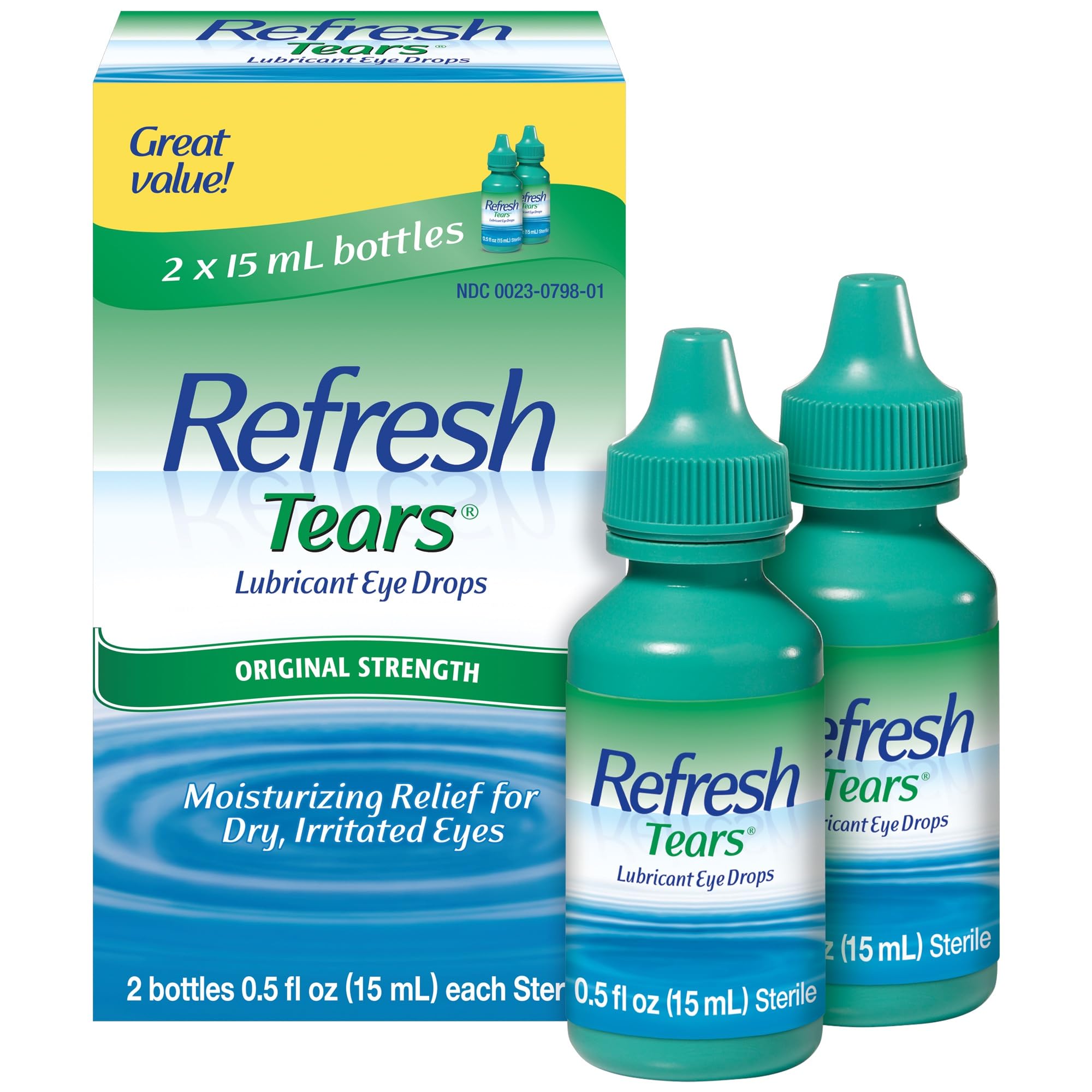
Refresh Tears uses the Purite preservative system, which breaks down into natural tear components upon contact, making it gentler than BAK-preserved alternatives. The formula mimics natural tears closely, providing immediate relief from mild to moderate dryness without a sticky residue. Users with screen-induced eye fatigue and mild allergy dryness find it highly effective for maintenance hydration.
The drop is lightweight and non-blurring, which is ideal for use during work hours or while driving. The two-pack is convenient for keeping one bottle at the office and one at home. It’s compatible with contact lenses and doesn’t sting on application.
For severe dry eye or intense allergic itching, the relief is short-lived and may require frequent reapplication. It also contains a preservative (Purite), so it’s not suitable for those who need preservative-free drops due to corneal sensitivity or if they use drops more than four times daily.
Why it’s great
- Gentle Purite preservative system
- Lightweight, non-blurring formula for daily use
- Affordable two-pack for convenience
Good to know
- Contains preservative; not ideal for very frequent use
- Short relief duration for severe dryness
6. OPTASE Allegro Lubricant Eye Drops

OPTASE Allegro is a preservative-free tear substitute that uses a hydroxyethyl cellulose (HEC) formula to provide gentle, sustained lubrication. Its breakthrough is the multidose bottle design, which maintains sterility for up to 3 months without adding chemical preservatives, making it an excellent choice for those with sensitive corneas or who need to use drops frequently.
Users with meibomian gland dysfunction (MGD) and chronic dryness report that this formula helps create a comfortable protective barrier against environmental irritants like dust and pollen. The 300-dose count means this single bottle replaces dozens of single-use vials, offering environmental and cost advantages.
The main knock is the dispensing mechanism; several users find it inconsistent, requiring multiple squeezes to release a single drop. This can be frustrating in the middle of an allergic episode when you need quick application. Additionally, the premium price per ounce is significantly higher than preserved alternatives.
Why it’s great
- Fully preservative-free in a multidose bottle
- Gentle HEC formula for sensitive eyes and MGD
- High dose count per bottle (300 drops)
Good to know
- Dropper can be inconsistent; takes practice to use
- Premium price compared to preserved alternatives
7. Systane Contacts Soothing Drops

Systane Contacts Soothing Drops are specifically engineered for use with soft and rigid gas permeable contact lenses. The formula has a thicker consistency than standard artificial tears, providing robust lubrication that extends wear time and reduces lens awareness throughout the day. For contact lens wearers whose allergies trigger dryness and lens fogging, this drop offers targeted relief.
Users consistently rate this as their go-to re-wetting drop, noting that it soothes irritation without leaving a cloudy film on the lens. The drop integrates well with the lens surface, reducing friction and preventing the lens from sticking to the dry cornea.
The thicker viscosity can cause brief blurring immediately after application, and some users report needing more drops per application than with thinner formulas. It’s not an antihistamine drop, so while it relieves the dryness associated with allergies, it won’t stop the underlying allergic itch.
Why it’s great
- Thick formula provides long-lasting contact lens comfort
- Works for both soft and RGP lenses
- Doctor recommended for lens-related dryness
Good to know
- Thick consistency can temporarily blur vision
- Not an allergy itch drop; only addresses dryness
FAQ
Can I use allergy eye drops with contact lenses?
How often should I apply olopatadine eye drops?
Will allergy eye drops worsen my dry eyes?
What is the difference between an antihistamine drop and an artificial tear?
Final Thoughts: The Verdict
For most users, the allergy eye drops for dry eyes winner is the Bausch + Lomb Advanced Eye Relief because it delivers prescription-strength olopatadine in a single daily drop that stops the itch without compromising the tear film. If you want the same active ingredient at a lower per-dose cost, grab the Glenmark Therapeutics Olopatadine Twin-Pack. And for those whose primary complaint is dryness without severe itching, nothing beats the electrolyte-balanced hydration of the TheraTears Dry Eye Therapy.