
Our readers keep the lights on and the weekend projects moving. As an Amazon Associate, I earn from qualifying purchases.
Finding a shoe that doesn’t crush your toes when you have hammer toes feels nearly impossible. The wrong pair triggers pain with every step, limits your activity, and makes you dread putting your shoes on in the morning. You need a toe box that gives your bent toes room to spread without rubbing the tops or tips of your toes against the upper.
I’m Rikta — the co-founder and writer behind FitlyFast. I’ve spent dozens of hours analyzing customer reviews, fit data, and technical specs across dozens of models to find the shoes that genuinely accommodate hammer toes without sacrificing stability or walkability.
Whether you need a shoe for long hospital shifts, daily walks, or just pain-free errands, this guide evaluates the specific toe box depth, width, and forefoot construction that matter most for hammer toes. It is built to help you find the best athletic shoes for hammer toes.
How To Choose The Best Athletic Shoes For Hammer Toes
Not all wide shoes are the same. A shoe labeled “wide” might still have a shallow toe box that presses on the top of curled toes, causing irritation and calluses. You need to look for specific construction details that address the unique shape of a hammer toe.
Focus on Toe Box Height, Not Just Width
Standard extra-wide shoes widen the sides of the forefoot but often keep the roof (the vamp) low. For hammer toes, you need both width and vertical depth so your toes don’t press into the material. Look for terms like “high-volume toe box” or read customer reviews specifically mentioning “room for toes to move up and down,” not just side to side.
Removable Insoles and Multi-Insert Systems Are Key
Hammer toes often need orthotic inserts or metatarsal pads. A shoe with a removable insole lets you swap in your own support. The best options include multiple insole thicknesses so you can fine-tune the pressure distribution under the ball of the foot and reduce pressure on the affected joints.
Consider the Sole Drop and Flexibility
A zero-drop sole (heel and toe at the same height) can reduce pressure on the toe joints for some people because it avoids jamming toes into the front of the shoe during a heel-strike gait. However, if you also have plantar fasciitis, you may need a slight heel drop (4–6mm) and more structured arch support. The sole should bend at the ball of the foot, not in the midfoot, so your toes can flex naturally.
Quick Comparison
On smaller screens, swipe sideways to see the full table.
| Model | Category | Best For | Key Spec | Amazon |
|---|---|---|---|---|
| OrthoComfoot Men’s Wide (High Arch) | Premium | Long shifts & heavy support | Dual-density arch support set | Amazon |
| OrthoComfoot Men’s Diabetic Wide | Premium | Adjustable forefoot fit | Multi-thickness insole kit | Amazon |
| FLUX FOOTWEAR Adapt Runners | Premium | Barefoot feel & wide toe splay | Zero-drop, 100% flat sole | Amazon |
| Women’s Orthopedic Diabetic Wide | Mid-Range | Severe foot deformity pain relief | Two insole thicknesses included | Amazon |
| Men’s Orthopedic Diabetic Wide Walking | Mid-Range | Daily walking & customizable fit | Multiple insert system | Amazon |
| OrthoComfoot Men’s Wide (Flat Feet) | Mid-Range | Standing on hard floors all day | High arch support insole | Amazon |
| NORTIV 8 Men’s Wide Toe Box Trail | Budget | Walking & hiking on a budget | 5mm drop, 300+ mile durability | Amazon |
In‑Depth Reviews
1. OrthoComfoot Men’s Wide Orthopedic Plantar Fasciitis Shoes
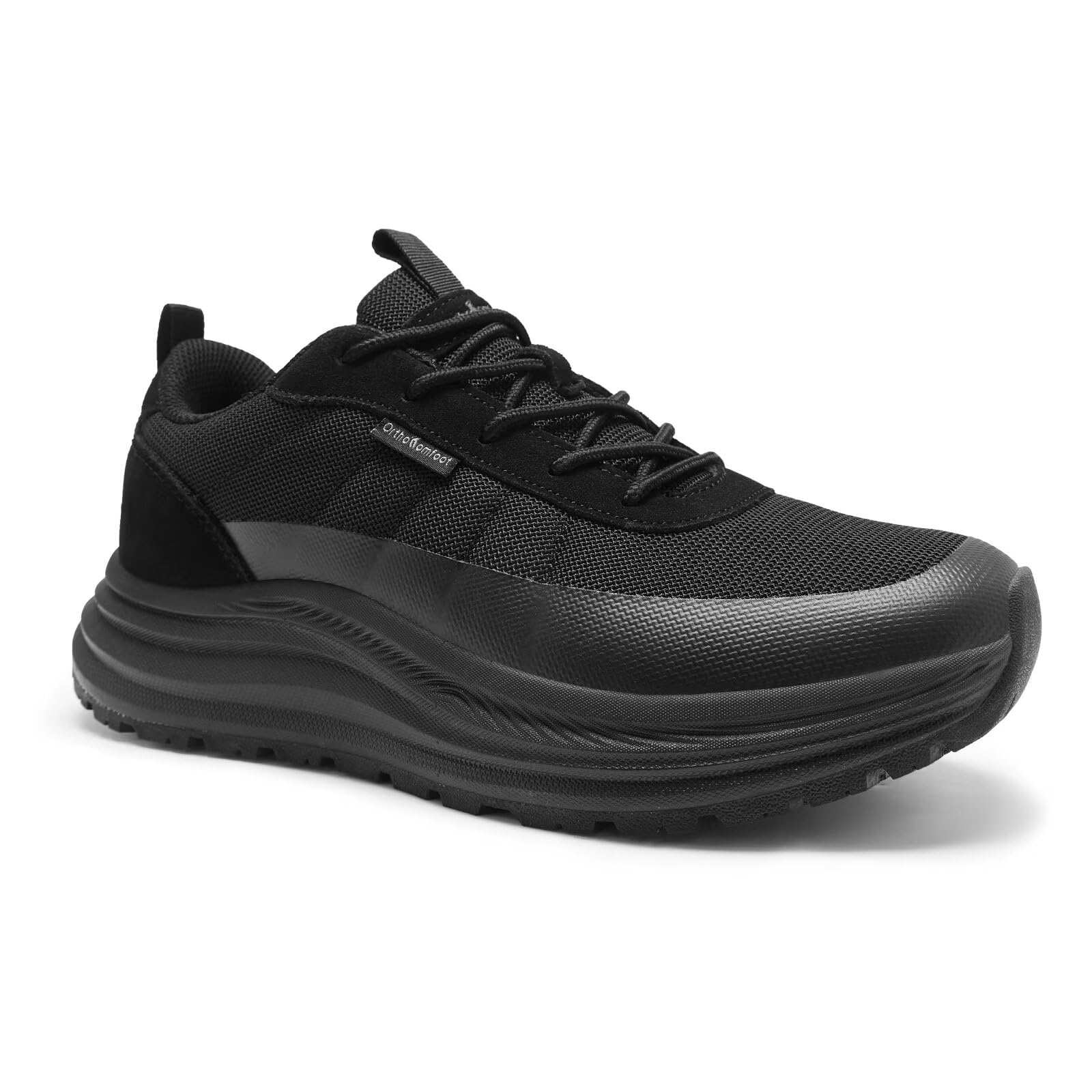
This premium OrthoComfoot model delivers a 1-inch thick, cushioned sole that provides serious shock absorption for concrete floors and long days on your feet. The wide toe box gives hammer toes the lateral and vertical space they need, and the dual-arch-support insert system lets you dial in the exact level of metatarsal lift your toes require. Multiple customers report standing 10–12 hours pain-free after a proper break-in period.
The upper is lightweight and breathable, though a few users noted the material runs warm in high heat. The sole’s thickness does add a slight platform feel, which some people with gait issues find stabilizing. The included second insert set offers higher support for those with more severe plantar fasciitis or high arches.
Make sure to size up half a length — the fit runs slightly short for U.S. sizes. The 5/5 reviews consistently mention that breaking in the inserts over a few days prevents the discomfort that some users who rated it lower experienced.
Why it’s great
- Thick, plush cushioning absorbs impact on hard floors
- Two distinct arch support levels for custom forefoot lift
- Roomier toe box reduces friction on hammer toe joints
Good to know
- Runs short — go half a size up from your normal length
- Upper lacks ventilation for hot weather
2. OrthoComfoot Orthopedic Diabetic Men’s Wide Shoes
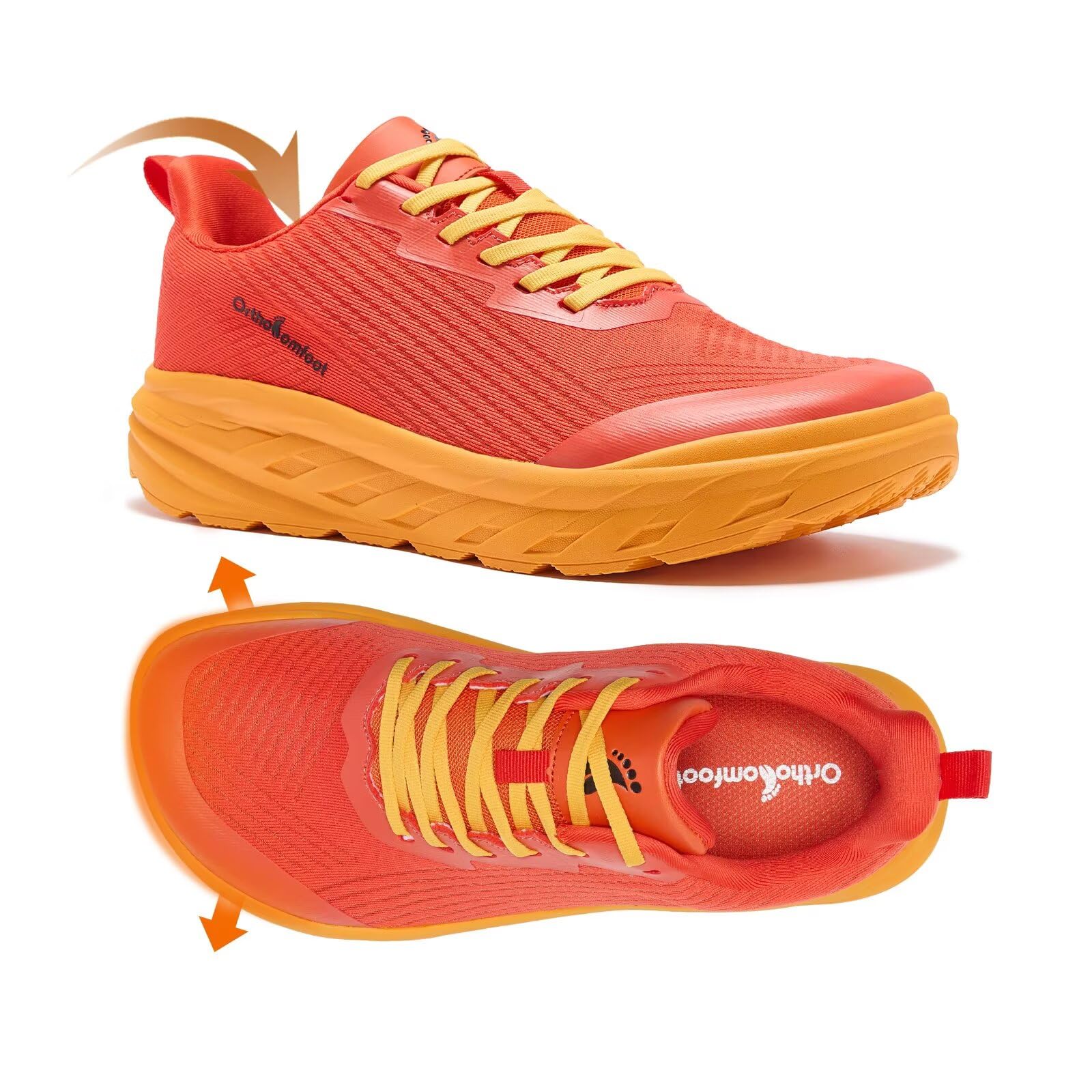
The standout feature here is the most adjustable insole kit we’ve seen — multiple thickness inserts plus a separate heel cup let you build a platform that lifts the metatarsal heads and takes pressure off curled hammer toes. The toe box is exceptionally wide and tall, providing ample space for toes to sit without rubbing the top or sides. A user weighing over 300 pounds reported these shoes saved his job by keeping him comfortable on concrete for 10–12 hour shifts.
One area of concern is heel stability — the collar lacks structure, so some users found it folds when inserting the foot, requiring extra care to step into. This is not a true slip-on shoe. The roomy forefoot and adjustable insole make this a strong choice for anyone needing to customize pressure distribution under the ball of the foot.
The shoe runs large, so you may be able to size down if you want to wear thicker socks. The breathability is adequate for indoor work but not ideal for high-heat outdoor running.
Why it’s great
- Extensive insole customization for forefoot pressure relief
- Deep, tall toe box for curled toe clearance
- Excellent cushioning for heavy users on hard floors
Good to know
- Heel lacks stiff counter — not a secure slip-on
- Runs large; downsizing recommended for a snug fit
3. FLUX FOOTWEAR Adapt Runners
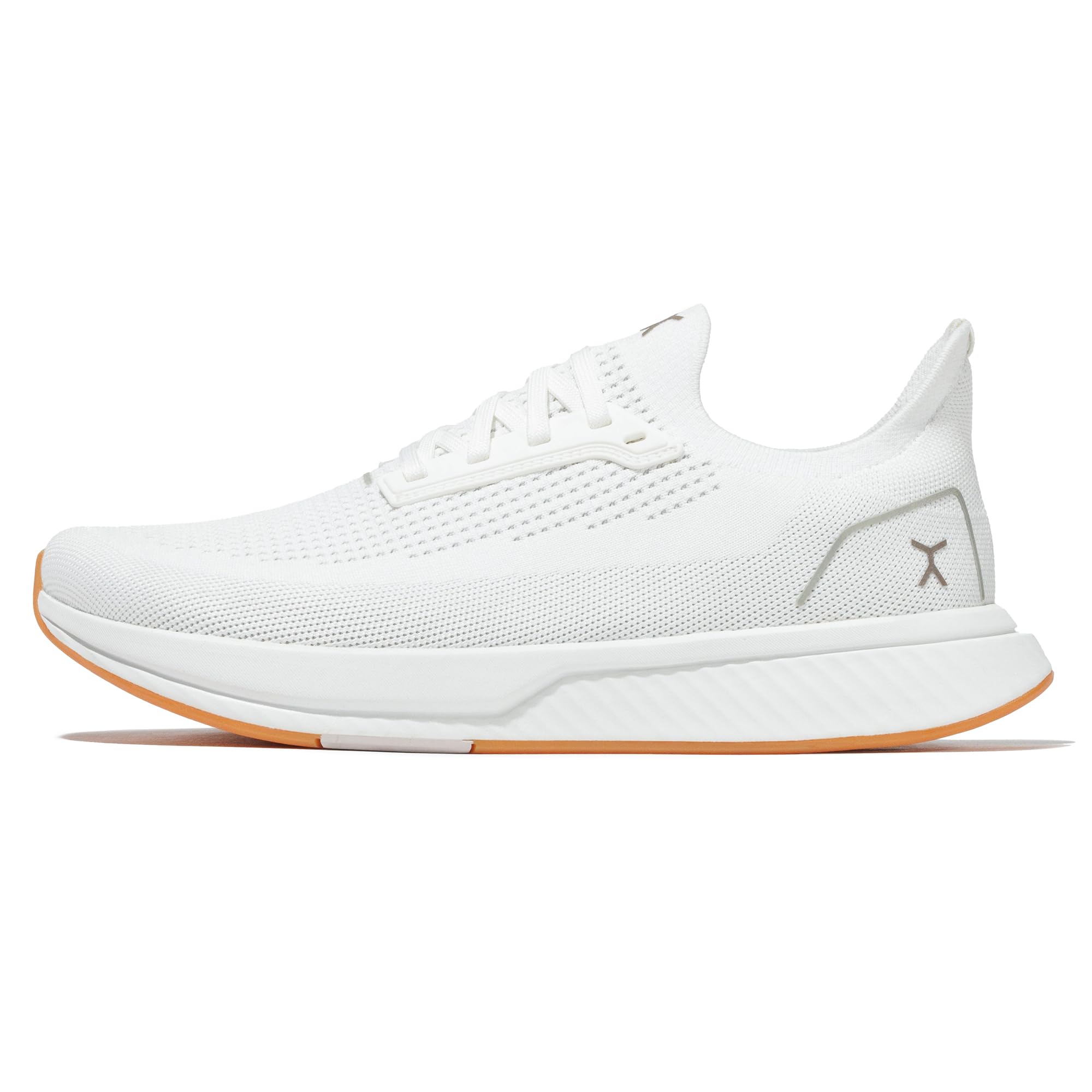
If your hammer toes are caused by years of cramped, narrow toe boxes, the FLUX Adapt Runners offer a radical alternative with a 100% flat, zero-drop sole and a foot-shaped toe box that allows your toes to splay naturally. The thin, flexible sole provides ground feedback, which can strengthen foot muscles over time and reduce the curling force that exacerbates hammer toe deformities. Users with flat feet and post-surgery ankles report pain-free walking for 5–6 miles.
The shoe runs slightly small — order half a size up. The upper is stiff out of the box and requires a break-in period. Ankle support is minimal by design (this is a minimalist shoe), so if you have unstable ankles, this may feel too unstructured. A few users reported sole separation at the heel after heavy use, though the 4+ year lifespan mentioned by a long-term user suggests durability is generally strong.
This shoe serves a specific use case: it is best for people who want their toes to fully spread and who are willing to transition slowly from cushioned shoes to a zero-drop platform. It is not ideal for those who need arch support or deep heel cushioning.
Why it’s great
- Anatomical toe box allows maximum toe splay
- Zero-drop sole reduces toe-jam during walking
- Long-term durability — holds up for years
Good to know
- No arch support — flat sole only
- Runs small; requires half-size up and break-in
4. Women’s Orthopedic Diabetic Wide Toe Box Running Shoes
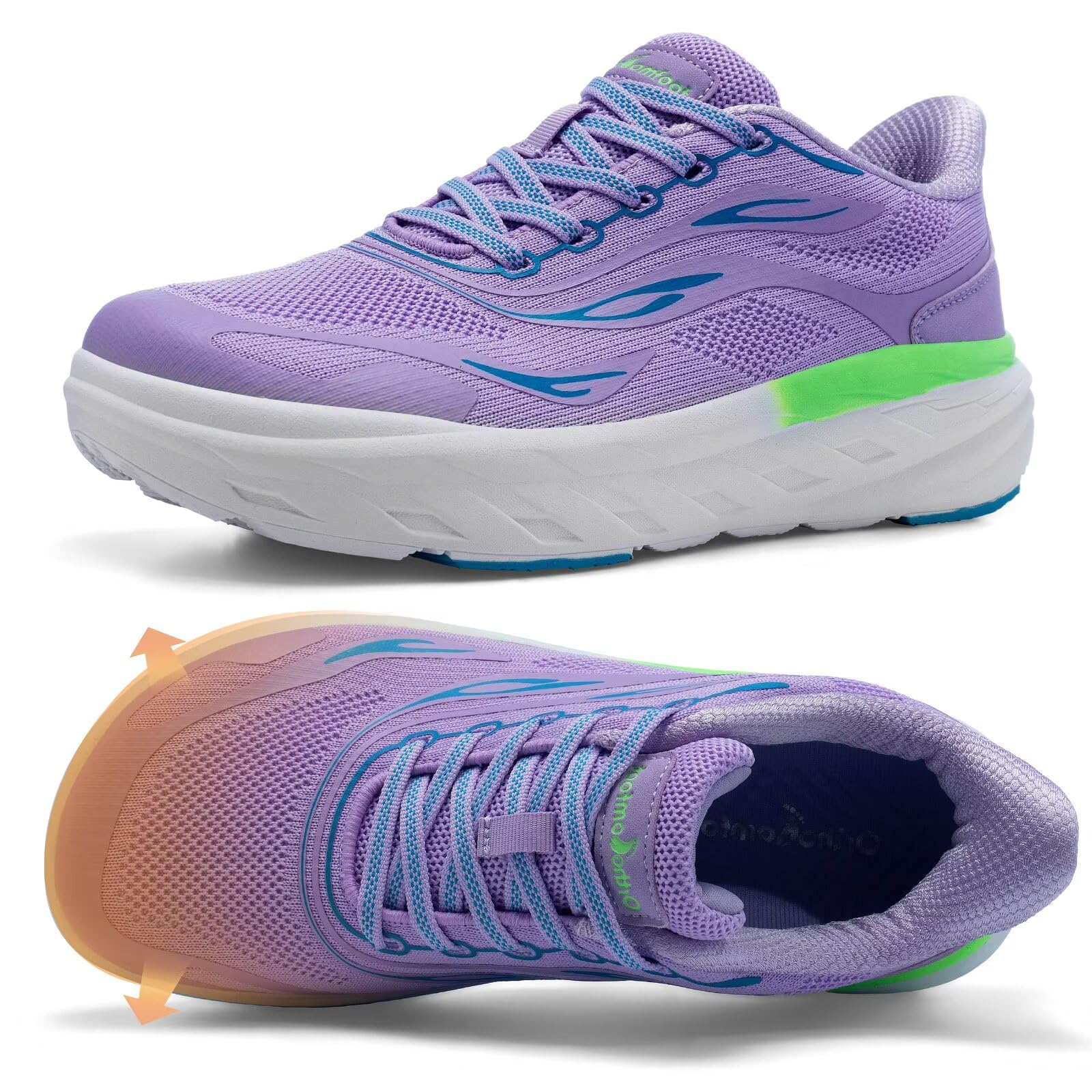
This women’s-specific model was designed with severe foot deformities in mind — bunions, hammer toes, and flat feet — and it delivers right out of the box. The wide toe box is generously proportioned and the included two insole thicknesses allow you to lift the forefoot just enough to prevent the toes from pressing into the vamp. Customer reviews consistently report dramatic pain reduction in the hips, calves, and toes after switching to this shoe.
The sole is extremely soft and squishy, which makes it great for walking around the house, the store, or casual errands. However, several users noted that this same softness makes the shoe feel unstable for brisk walks or light jogging. If you need a firmer, more responsive sole for longer walks, this may disappoint. The arch support is aggressive and may cause discomfort for people with flat feet — some users removed the hard arch piece and used the spare insole underneath instead.
The build quality appears solid, though long-term durability beyond a few months has not been widely reported. The shoe is available in a variety of colors and fits true to size for most users.
Why it’s great
- Instant pain relief for severe toe deformities
- Generous toe box width and depth
- Two insole options for custom forefoot lift
Good to know
- Sole is very soft — lacks stability for fast walking
- Aggressive arch may need removal for flat feet
5. Men’s Orthopedic Diabetic Wide Walking Shoes
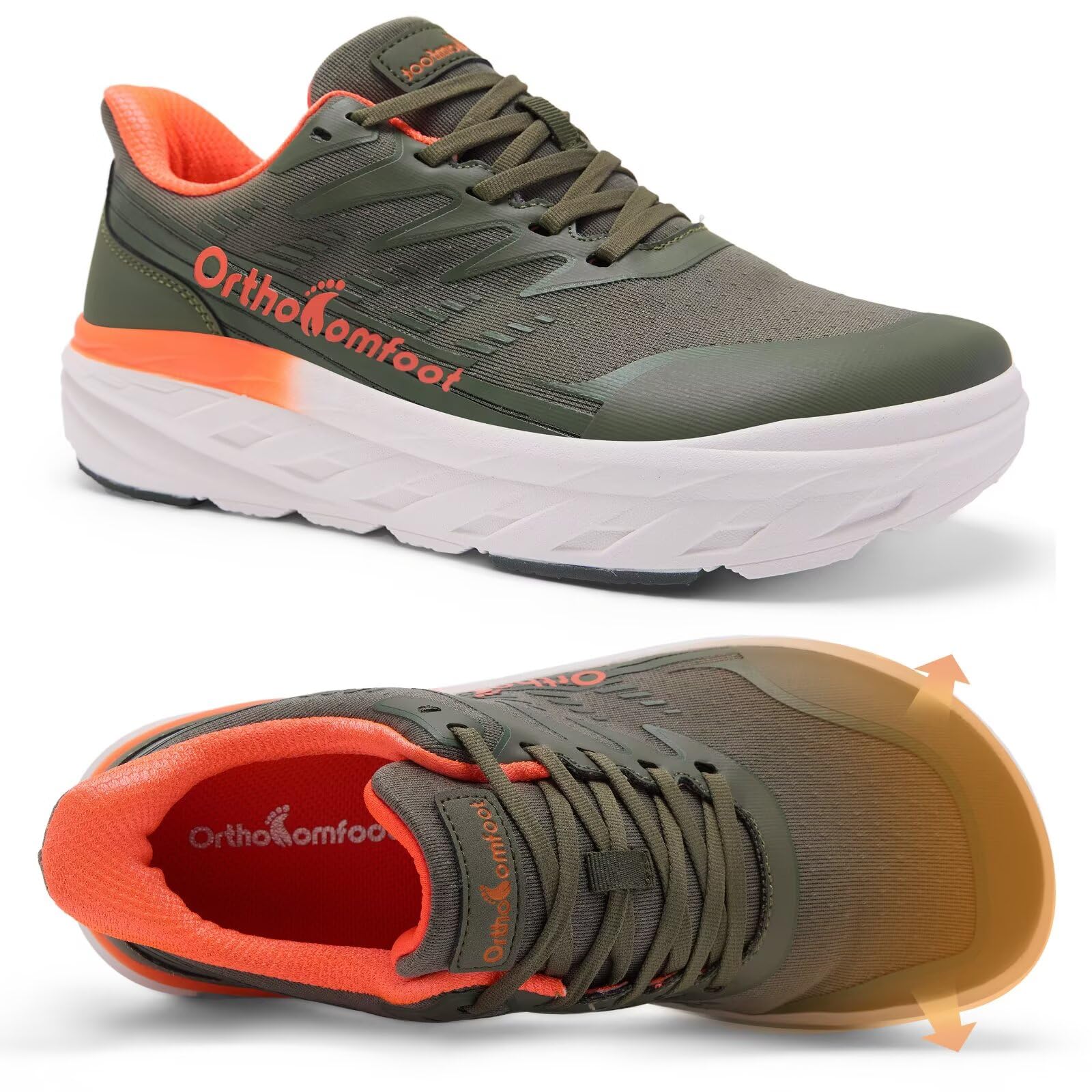
This mid-range men’s model offers a balanced combination of a wide toe box, good side-to-side space, and a customizable insert system that allows you to tweak forefoot height and arch support. The outsole provides solid traction, and the cushioning is firm enough for daily walking without feeling too squishy or unstable. Customers praise it as the most comfortable shoe they have worn in years.
One fit issue to note: the cushioned sole has a raised back that can push the foot forward, causing the toes to rub the top of the toe box — despite the generous width. If you have very tall hammer toes, this forward pressure may be uncomfortable. Sizing up slightly can help. A single user reported the laces are flimsy ribbons and the shoe is impossible to get on hands-free, so this is not a true slip-on.
Repeated purchases from the same customers confirm that the shoe holds up well for daily use, including a long trip mentioned by one reviewer who bought a second pair in a different color. The value-to-features ratio is strong for this price tier.
Why it’s great
- Customizable inserts for metatarsal lift
- Wide lateral toe space with good traction
- Repeat-buy quality from satisfied customers
Good to know
- Cushioned back pushes foot forward into toe box
- Not a true slip-on; laces are basic ribbons
6. OrthoComfoot Men’s Orthopedic Comfortable Diabetic Wide Shoes

This OrthoComfoot variant focuses on being lightweight and comfortable, almost like house shoes, while still providing the wide toe box and excellent arch support that hammer toe sufferers need. Users report being able to stand on hard floors for 9-hour shifts without pain, which suggests the forefoot pressure relief is effective. The slip-on style (no laces) is convenient for easy on/off.
The fit runs short — several users recommend ordering half a size up. The material is not very breathable and can feel warm during extended wear. The lack of a hard toe cap and the less non-slip outsole mean this shoe is best suited for indoor or light outdoor use rather than technical hiking or wet conditions. The seller offers returns up to a year, which adds peace of mind for first-time buyers.
The construction is sturdy and attractive, with a very positive price-to-quality ratio. If you need a lightweight shoe for standing or walking indoors predominantly, this is a strong mid-range contender.
Why it’s great
- Pain-free standing on hard floors for full shifts
- Very lightweight and convenient slip-on design
- Excellent arch support for metatarsal relief
Good to know
- Runs short — size up half a length
- Poor breathability and less non-slip grip
7. NORTIV 8 Men’s Wide Toe Box Trail Running Shoes
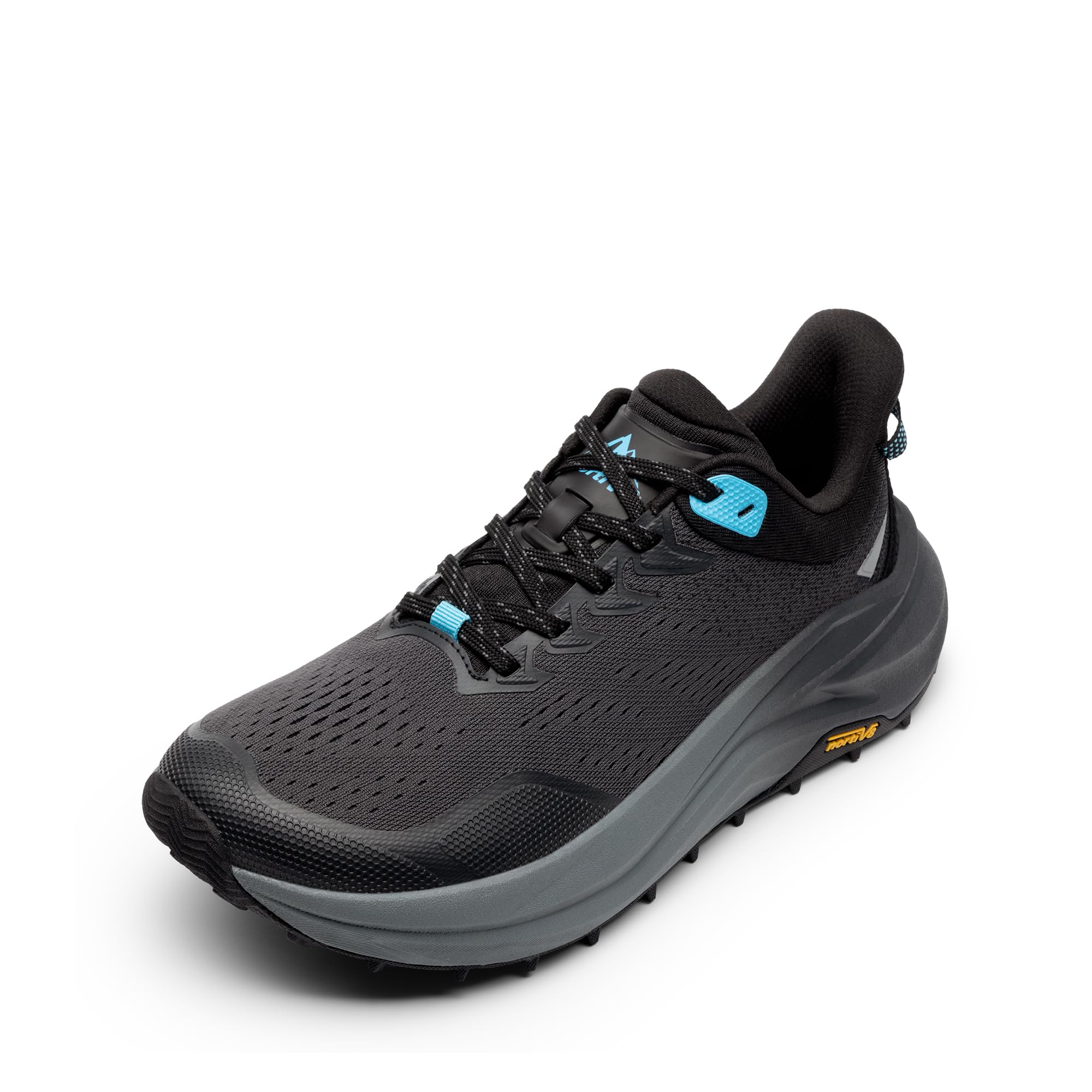
At the budget end of the spectrum, the NORTIV 8 delivers a genuinely roomy toe box that one customer reported reduced toe friction by 75%. The 5mm drop is moderate and the aggressive lugs provide solid grip for trail use. Multiple users praised the shoe for being comfortable enough for 300+ miles of trail running and for long hospital shifts, all at a fraction of the cost of premium brands.
The trade-offs are noticeable: the cushioning is firm and provides good trail protection, but is not plush enough for long hours on concrete. The shoe runs slightly heavy and the design is not the most attractive. A couple of users noted the lack of gaiter attachments, though this is an easy DIY fix. The build quality is excellent for the price — no reports of premature sole separation or stitching failure.
For hammer toe sufferers on a tight budget who primarily walk or hike on trails, this shoe offers the most toe box volume per dollar. It is not ideal for running on roads or for people who need deep, plush forefoot cushioning for sensitive toe joints.
Why it’s great
- Very roomy toe box reduces friction by 75%
- Durable construction — holds up to 300+ miles
- Great value for trail and walking use
Good to know
- Firm cushioning — not plush for concrete
- Heavier build; design is function-over-form
FAQ
Can I wear zero-drop shoes if I have hammer toes?
Should I buy one full size larger for hammer toes?
Are memory foam insoles good for hammer toes?
Final Thoughts: The Verdict
For most users, the athletic shoes for hammer toes winner is the OrthoComfoot Men’s Wide Orthopedic because it combines a truly roomy toe box with dual-arch-support inserts that let you customize forefoot lift for immediate pain relief. If you need the most adjustable insole kit to fine-tune pressure distribution, grab the OrthoComfoot Diabetic Wide. And for a barefoot feel that allows natural toe splay and strengthens foot muscles, nothing beats the FLUX FOOTWEAR Adapt Runners.