
Our readers keep the lights on and the weekend projects moving. As an Amazon Associate, I earn from qualifying purchases.
Selecting a back brace after a vertebral fracture is not about general comfort; it is about strict spinal immobilization and load transfer to prevent further injury. A brace that allows excessive flexion can compromise a fragile vertebra, while a brace that is too loose provides false confidence and zero stabilization.
I’m Rikta — the co-founder and writer behind FitlyFast. After analyzing the design of these braces, the level of rigidity they offer, and the feedback from users with actual compression fractures, this guide focuses on the practical support each model provides to the thoracic, lumbar, and sacral spine.
This guide breaks down the key features of each brace to help you identify the best back brace for fractured vertebrae that delivers the medical-grade stabilization your recovery requires.
How To Choose The Best Back Brace For Fractured Vertebrae
Choosing a brace for a fractured vertebra is entirely different from choosing one for general back strain. A vertebra needs to be offloaded and prevented from moving. The brace must be a rigid, supportive orthosis, not just a compression belt. Here are the factors that matter most.
Rigidity and Spinal Immobilization
For a fractured vertebra, a flexible fabric brace is insufficient. You need a brace that incorporates rigid plastic or metal panels, often as a full LSO brace, to restrict the flexion and extension of the spine. A brace with a built-in rigid plate that stabilizes the L1 through S1 vertebrae is ideal for protecting the fracture site from undue stress.
Adjustable Compression and Pulley Systems
A pulley system allows you to dial in the exact amount of compression needed to stabilize the core without requiring you to twist or bend, which is critical for someone with a spinal fracture. Look for a system that offers a wide, graduated range of tension, as the brace may need to be looser during initial pain and tighter as the healing progresses.
Fit and Size Range
An ill-fitting brace can cause more harm than good. The brace should be measured around the waist at the navel and fit snugly without cutting into the skin. Many premium options offer a single size that adjusts to fit a wide range of abdominal circumferences, but ensure you can also adjust the height of the brace for proper positioning over the fractured area.
Quick Comparison
On smaller screens, swipe sideways to see the full table.
| Model | Category | Best For | Key Spec | Amazon |
|---|---|---|---|---|
| Brace Align Adjustable LSO Brace | LSO Brace | Insurance coverage readiness | PDAC L0642 Certified | Amazon |
| BaxMAX Adjustable Back Brace | Pulley Brace | Lightweight daily use | 5-to-1 Compression Pulley | Amazon |
| Timtakbo LSO Decompression Plate Brace | Rigid Orthosis | Maximum spinal stabilization | Bionic 26-Degree Arch Plate | Amazon |
| Timtakbo 2.0 Version LSO Brace | Rigid Orthosis | All-day cushion support | Memory Foam Pad Add-on | Amazon |
| VertebrAlign LSO Back Brace | Medical Grade | Post-surgery recovery | PDAC L0631/L0637 Multi-Code | Amazon |
| BraceAbility Lumbar Decompression Brace | Decompression | Pre-op to post-op transition | Semi-Rigid Corset Design | Amazon |
| Comfyorthopedic LSO Back Brace | Rigid Orthosis | Comfort and adjustability | Patented Adjustable Size 25″-48″ | Amazon |
In‑Depth Reviews
1. VertebrAlign LSO Lumbar Back Brace
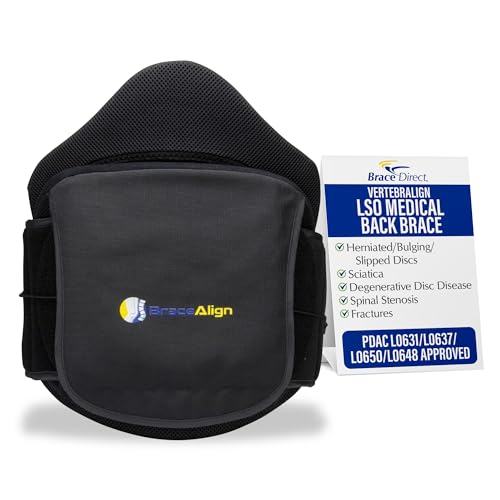
The VertebrAlign is a medical-grade LSO brace with PDAC approval for multiple codes, including L0631 and L0648, making it a top candidate for those needing documented stabilization for insurance. Its removable rigid panels allow you to shift from firm control during the acute phase to a flexible support later in recovery.
The one-handed pulley compression system is ideal for users with limited grip strength or post-surgery fatigue. The brace provides excellent core and back support, with a breathable mesh build that prevents overheating during all-day wear. It is not discreet, but its purpose is immobilization, not fashion.
Customer feedback highlights the brace’s effectiveness for severe back pain and its medical-grade quality. Some users note that the strings can lose tension over time and the back padding can detach, but the overall build is superior to cheaper alternatives. It is a solid option for post-surgery and fracture recovery.
Why it’s great
- Medical-grade stabilization with multiple PDAC codes
- Removable panels allow adaptable rigidity
- Efficient pulley system for easy adjustment
Good to know
- Strings do not fully retract, requiring manual adjustment
- Not designed for comfortable sitting in vehicles
2. Timtakbo LSO Back Brace with Decompression Plate

The Timtakbo brace stands out with its bionic decompression plate that offers a 26-degree adjustable arch, allowing you to shift from a spinal stretcher for alignment to a protective position for stabilization. This is a rigid orthosis designed to offload the L1 to S1 vertebrae, making it highly effective for vertebral compression fractures.
Its dual pulley system provides targeted compression with finger tabs, which is beneficial for seniors or those with limited upper body strength. The brace also includes an adjustable extension velcro pocket and a removable plastic abdominal plate for tailored support. It effectively immobilizes about 80% of lower back movement according to users.
Users report this brace allows them to function during severe back episodes, with one user stating it replaced a post-surgery brace. It is very effective for those who sit for long periods, but it is a bulky device and not for casual wear. Customer service is also reported to be responsive.
Why it’s great
- Adjustable 26-degree arch for spinal decompression
- Rigid immobilization of L1-S1 vertebrae
- User-friendly pulley tabs for easy compression
Good to know
- Bulky design, not for subtle wear
- Size ranges require careful measurement
3. Comfyorthopedic LSO Back Brace

The Comfyorthopedic brace is a premium, PDAC-approved LSO (L0648/L0631) designed with a patented size adjustment system that fits most waists from 25 to 48 inches in one brace. This eliminates the need for sizing guesswork and allows for adjustment as swelling or weight changes. It is designed for post-op and fracture recovery with a strong focus on comfort.
It features a detachable hard back support foam cushion and two removable side support pads to stabilize the lumbar spine without causing discomfort. The dual medical-grade drawstrings provide smooth, even compression. It is HSA and FSA eligible, which is a significant advantage for those managing medical expenses.
Users report this brace can eliminate back pain for daily activities, with one user noting it allowed them to take long walks again. However, some taller users found the height of the brace to be insufficient, and its localized support may not be suitable for multiple spinal fractures. The quality is high, and the company offers a one-year warranty.
Why it’s great
- Patented single-size design fits 25-48 inch waist
- Detachable foam cushion and side pads for custom fit
- FSA/HSA eligible with a one-year warranty
Good to know
- Brace height may be too short for taller individuals
- Support is localized, not full spinal immobilization
4. Timtakbo 2.0 Version LSO Back Brace
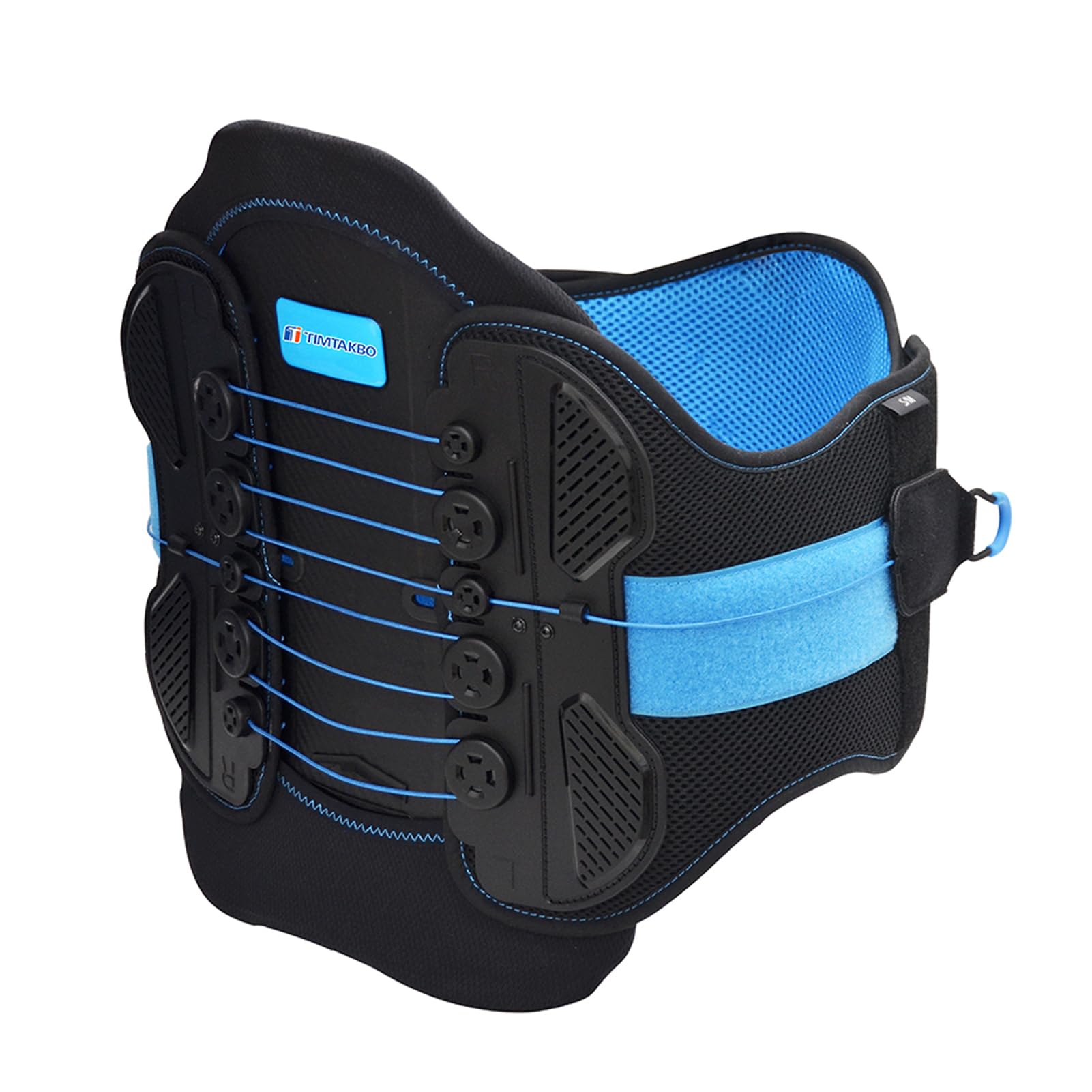
The 2.0 version of the Timtakbo brace builds on the original by adding a memory foam pad for extra cushioning against the back. This is a direct response to the complaint that rigid braces can be uncomfortable for all-day wear. It retains the same bionic decompression plate and 26-degree arch for spinal alignment.
The plastic pieces are now made with high-impact resistant materials, increasing the brace’s durability. The dual pulley system remains for easy compression, and the three-way adjustable arch provides flexibility between active stretching and protective stabilization. It is a solid choice for users who need maximum support but cannot tolerate a hard plastic shell against their skin.
User reviews mirror those of the original: excellent for immobilizing the lower back during activities and recovery. The addition of the foam pad makes a noticeable difference in comfort during long periods of wear. It has been described as a lifesaver for those with CRMO and severe back spasms, providing pain-free movement.
Why it’s great
- Added memory foam pad for extended wear comfort
- Durable high-impact resistant plastic components
- Effective 26-degree spinal decompression plate
Good to know
- Foam adds bulk to an already large brace
- Can be difficult to store due to its rigid structure
5. BraceAbility Lumbar Decompression Back Brace
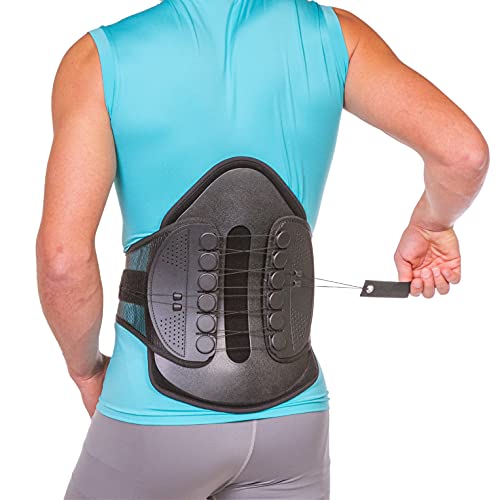
The BraceAbility brace is a semi-rigid corset-style brace designed to transition from pre-op to post-op recovery. Its dual-pulley system provides three times the compression, allowing for a customized fit that supports the lumbar spine without requiring painful twisting or bending to put on.
It is specifically marketed for discectomy and laminectomy recovery, but its decompression design makes it suitable for disc injuries and spinal stenosis. The rear back panel is made of plastic, but some users find it too flimsy and unsupportive during bending. It is effective for reducing pain and increasing stability for daily activities.
Users recommend this brace for its comfort and support, with one user on their third one over several years. The main issue is the plastic back panel can crack if the user lays down on a hard surface. It is a good value for those needing solid lumbar support, but for a true vertebral fracture, a more rigid LSO might be preferred.
Why it’s great
- Triple compression from dual-pulley system
- Easy to apply without twisting or bending
- Useful for pre-op to post-op transitions
Good to know
- Back panel can be too flimsy for heavy lifting
- Plastic components may crack on hard surfaces
6. Brace Align Adjustable LSO Lumbar Back Brace
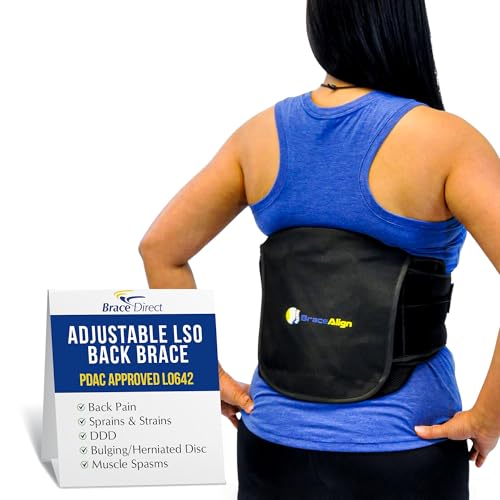
The Brace Align Adjustable LSO is an entry-level LSO brace that is PDAC L0642 certified, meaning it qualifies for insurance coverage subject to plan approval. This makes it a strong candidate for those who need a medical-grade device without the premium price tag. It features a custom pulley compression system for easy tension adjustment.
It is sized for waists 23-50 inches, making it universal for most adults. The breathable, lightweight material helps keep the user cool, which is important for all-day wear during fracture recovery. While not as rigid as the Timtakbo or Comfyorthopedic models, it provides solid lumbar stabilization and sciatica relief according to user feedback.
Users report that this brace was recommended by a back surgeon and enabled them to sit for long periods, including plane travel, which was previously impossible due to pain. It is a great value for the price, providing effective support that a physical therapist or chiropractor would recommend for general back stabilization.
Why it’s great
- PDAC L0642 certified for potential insurance coverage
- Pulley system allows for fine-tuned compression
- Breathable material reduces sweat and heat buildup
Good to know
- Not as rigid as premium LSO braces for fractures
- Free video fitting appointment required for perfect fit
7. BaxMAX Adjustable Back Brace
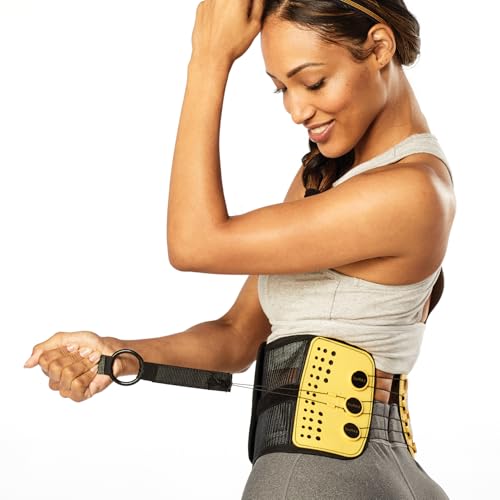
The BaxMAX brace is a chiropractor-recommended device that focuses on targeted lumbar compression through a patented 5-to-1 pulley system. It weighs only five ounces, making it one of the lightest braces available, which is beneficial for users who need support but cannot tolerate the bulk of a rigid LSO.
It is designed for three different wearing positions, allowing you to shift compression levels throughout the day. However, its lightweight design means it offers less spinal immobilization compared to rigid LSO braces. This brace is effective for muscle strains and disc protrusions, but for a fractured vertebra, its support may be insufficient for true immobilization.
Users praise it for providing amazing focused lumbar compression without being bulky. The main critique is that the material rolls up when sitting, making it best for standing or moving. It is a good supplementary support for those who are mobile, but a rigid LSO brace is still the standard for vertebral fracture stabilization.
Why it’s great
- Extremely lightweight at only 5 ounces
- Powerful 5-to-1 pulley for focused compression
- Three wearing positions for different activities
Good to know
- Material rolls up when sitting, less effective for sedentary use
- May cut into skin if overtightened; wear a layer underneath
FAQ
How tight should a back brace be for a fractured vertebra?
Can I sleep in a back brace for a fractured vertebra?
How long should I wear a brace for a spinal fracture?
Final Thoughts: The Verdict
For most users, the best back brace for fractured vertebrae winner is the Timtakbo LSO Back Brace because it combines a rigid decompression plate with an adjustable arch for true spinal offloading. If you want medical coding for insurance, grab the VertebrAlign LSO Back Brace. And for top-tier adjustable comfort with one-size-fits-all design, nothing beats the Comfyorthopedic LSO Back Brace.