
Our readers keep the lights on and the weekend projects moving. As an Amazon Associate, I earn from qualifying purchases.
Backcountry touring demands bibs that move, breathe, and shed moisture without caving under a pack strap. A resort bib that works for lift-skiing will suffocate you on the skin track, while an ultralight shell can tear on a single bushwhack. You need a specific balance of membrane waterproofing, fabric durability, and articulation designed for climbing and descending under your own power.
I’m Rikta — the co-founder and writer behind FitlyFast. My approach to these reviews is built on cross-referencing membrane specifications, seam construction, fabric weight, and ventilation layout across nine models to find bibs that actually serve the backcountry skier’s real-world demands.
After analyzing three-layer laminates, 20K+ waterproof ratings, thigh zipper lengths, and customer fit data from hundreds of real tours, I’ve built this guide to the best backcountry ski bibs for cold powder days and wet spring slush alike.
How To Choose The Best Backcountry Ski Bibs
Buying a backcountry bib is different from buying resort pants. The priorities are weight, breathability, and a shell-friendly layering system. Insulated bibs trap heat when you’re sweating on the ascent, so a shell bib with a smart ventilation setup is almost always the better call.
Membrane Construction: 2-Layer vs. 3-Layer
A 2-layer bib has a separate liner that adds weight and can feel clammy. A 3-layer construction bonds the waterproof membrane directly to the face fabric and a inner backer, which reduces bulk and improves breathability. For backcountry use, 3-layer is the standard because it sheds heat and moisture faster when you’re working hard.
Ventilation and Zipper Design
Inner thigh vents let heat escape while keeping snow out, but outer thigh zippers are easier to reach while wearing a pack hipbelt. Some bibs offer both, and the length of the zip matters: a short 8-inch opening barely helps, while a full-length side zip can dump heat fast during a transition. Test the zipper placement against your touring pack before buying.
Fit and Articulation
Backcountry moves require deep knee bends, high stepping, and twisting. Look for articulated knees and a gusseted crotch that doesn’t bind during a skin kick turn. The bib must also fit over a base layer and a mid-layer without being baggy enough to catch on ski edges or tree branches.
Quick Comparison
On smaller screens, swipe sideways to see the full table.
| Model | Category | Best For | Key Spec | Amazon |
|---|---|---|---|---|
| Burton Reserve Bib Pant | Shell | All-mountain backcountry | Gore-Tex 3-layer | Amazon |
| Dakine Stoker Gore-Tex 3L | Shell | Wet powder protection | Gore-Tex 3L, Recco | Amazon |
| Burton Gore-Tex Reserve Bib Pant | Shell | Long-tour performance | Gore-Tex 3-layer | Amazon |
| Flylow Baker Bib | Shell | Durable everyday touring | 20K/20K, 3L, 1000D cuffs | Amazon |
| Helly-Hansen Sogn Bib Shell | Shell | Lightweight layering system | 1.75 lb, HELLY TECH | Amazon |
| Dakine Red Gerard 30K Bib | Shell | Budget shell entry | 30K waterproof, 3L | Amazon |
| Helly Hansen Legendary Insulated Bib | Insulated | Cold resort days | PrimaLoft, 1.9 lb | Amazon |
| The North Face Freedom Bib | Insulated | Resort-to-tour transition | Heatseeker Eco, mesh vents | Amazon |
| The North Face Women’s Freedom Insulated Bib | Insulated | Women’s curvy fit | Heatseeker Eco, mesh vents | Amazon |
In‑Depth Reviews
1. Burton Reserve Bib Pant
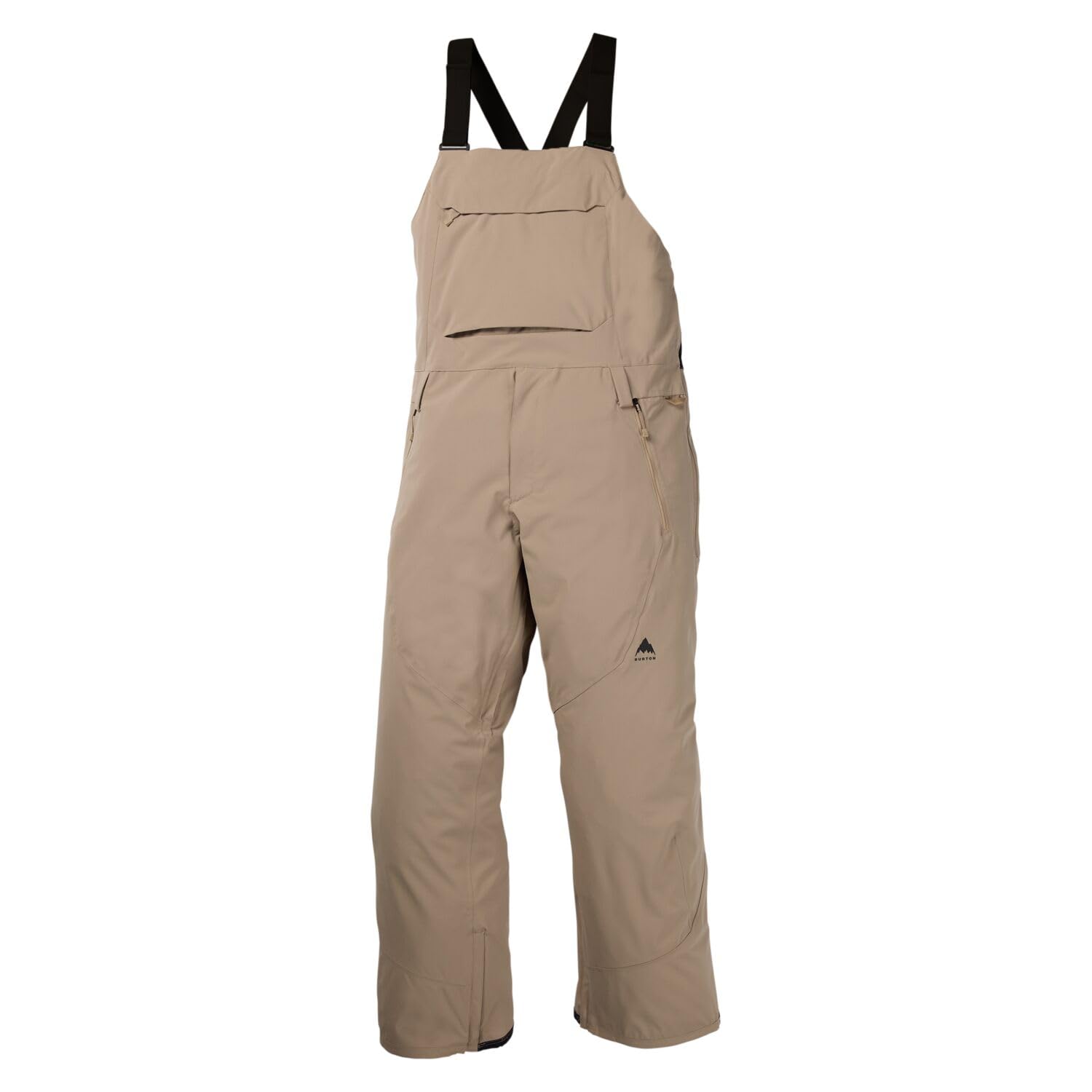
The Burton Reserve Bib Pant uses a 3-layer Gore-Tex membrane that breathes well enough to prevent the clammy feeling common with budget shells. Users with athletic builds, including a 6’7″ 320lb reviewer, noted the fit works for larger frames without binding at the hip or thigh. The front zipper and multiple vent openings make transitions faster.
Ventilation placement is a standout here: the waterproof zippers run along both inner and outer thighs, which lets you dump heat without removing your pack. The bib is designed as a shell, so you layer underneath based on conditions. The bib’s overall construction feels solid for multi-season touring without excessive weight.
The pockets are positioned for access while wearing a pack hipbelt. The chest pocket sits high enough to avoid interference, and the side pockets are deep enough for a phone and snacks. One reviewer mentioned the legs run long, so sizing down may help shorter skiers avoid bunching over the boot cuff.
Why it’s great
- Gore-Tex breathes noticeably better than generic membranes
- Dual-vent system works with a pack hipbelt
- Generous fit for athletic and plus-size builds
Good to know
- Legs run long; shorter skiers may need alterations
- No insulation — plan your base and mid layers carefully
2. Dakine Stoker Gore-Tex 3L Snow Bib
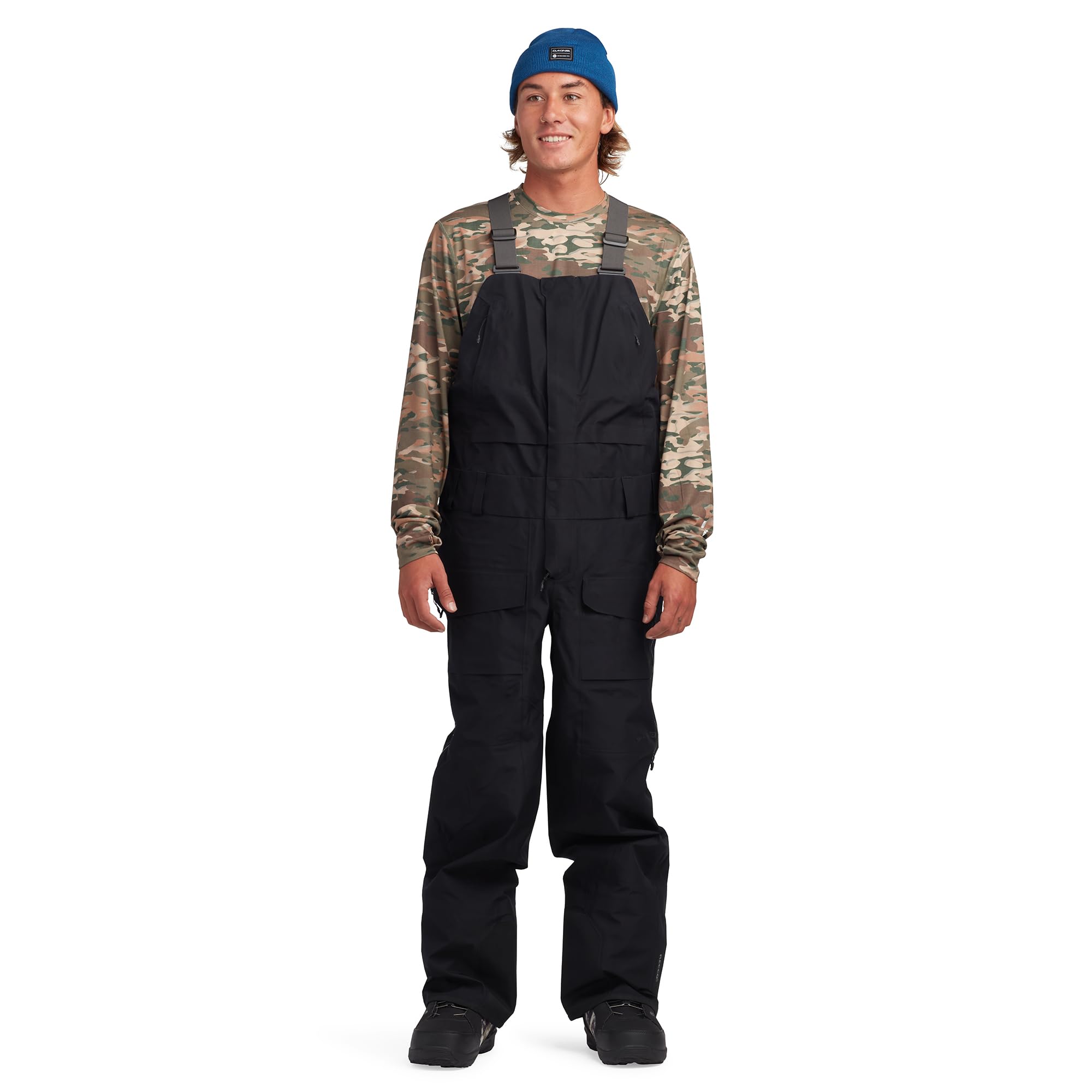
The Dakine Stoker Bib uses a full 3-layer Gore-Tex laminate that holds up in sustained wet snow without wetting out. Reviews specifically mention rolling in fresh powder and staying completely dry — a strong sign the membrane and DWR treatment are working together well. The Recco reflector adds a layer of safety for sidecountry or tree-skiing scenarios.
Fit is described as trim but not restrictive. One reviewer who compared it to a Burton AK Pro said the Dakine offers similar quality at a lower price point. The PFAS-free DWR is a responsible choice for skiers who tour in sensitive alpine watersheds. The bib’s fully taped seams eliminate cold spots where moisture can leak through.
Some buyers noted the sizing runs slightly large, and the bib lacks a chest pocket for easy pass access. The lack of insulation is correct for backcountry use, but the bib could use more internal stash pockets for skin strips or a phone during transitions. The zipper quality feels robust and smooth.
Why it’s great
- True Gore-Tex 3-layer performance at a mid-range price
- Recco reflector adds avalanche safety value
- PFAS-free DWR for environmental conscience
Good to know
- Sizing runs large; consider sizing down
- Limited pocket count compared to some competitors
3. Burton Men’s Gore-Tex Reserve Bib Pant
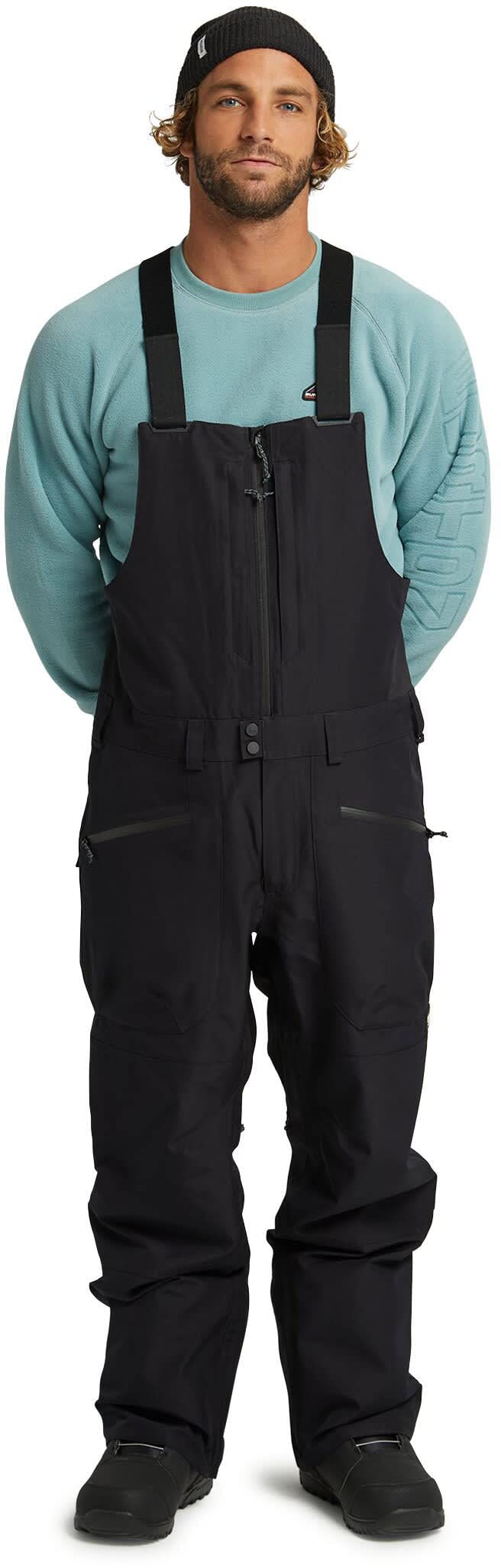
The Burton Gore-Tex Reserve Bib Pant shares the same Gore-Tex membrane as the standard Reserve but with a slightly different cut and pocket layout. Multiple reviewers confirmed the bib kept them completely dry during two weeks of daily Colorado snowboarding, including heavy rain and powder days. The 3-layer construction breathes effectively for sustained ascent efforts.
Fit is described as slim but not tight, with enough room for a mid-layer without looking baggy. One 6-foot, 155-pound reviewer found the medium fit great, while a taller athletic reviewer noted the thighs can be snug if you have significant muscle mass. The pockets are well-placed for on-the-move access.
Durability seems high based on multi-week use reports. The zippers are hardy and the fabric resists abrasion from ski edges and boot buckles. The only downside is the slim fit in the thighs for lift-skaters or those who prioritize massive leg movement. Consider sizing up one if you have muscular legs.
Why it’s great
- Proven waterproofing through weeks of heavy use
- Breathable enough for sustained touring
- High-quality zippers and construction
Good to know
- Tight in thighs and glutes for athletic builds
- Pockets could be deeper for modern phones
4. Flylow Men’s Baker Bib
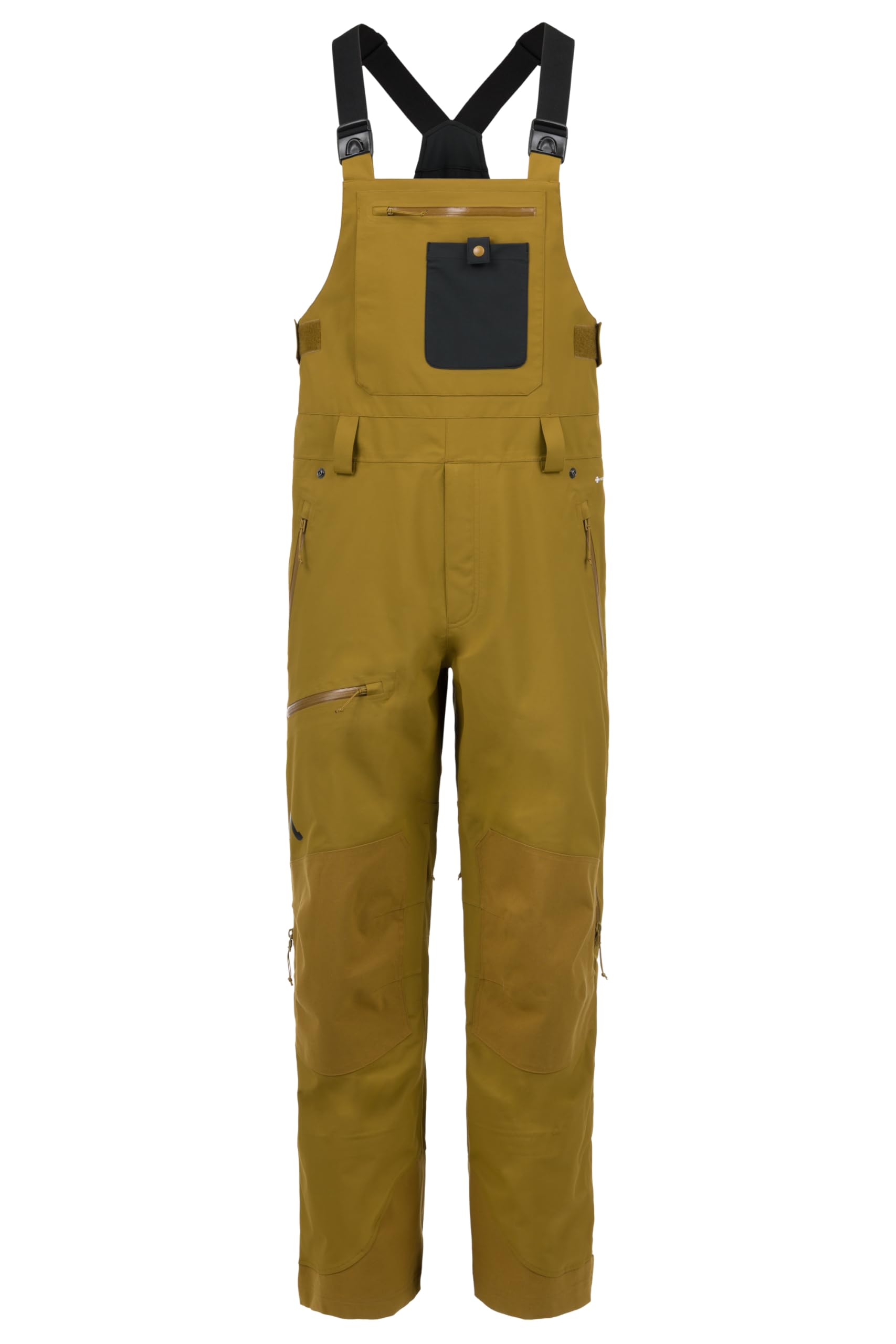
The Flylow Baker Bib uses a 3-layer Surface membrane with 20K/20K waterproof and breathability ratings, combined with 1000-denier reinforcements at the cuffs and knees. This makes it one of the most abrasion-resistant options in this lineup. Skiers who brush against trees or drag edges through rocky zones will appreciate the extra durability.
Fit runs slightly small according to multiple reviews. One 6’2″, 205-pound reviewer in XL found the fit snug like a large, so sizing up is recommended if you plan to layer heavily. The bib has both inner and outer thigh ventilation — a rare combination that gives you two ways to regulate temperature depending on whether you’re wearing a pack.
The pockets are well-designed for backcountry use: a zippered bib pocket for a phone or pass and hand pockets that sit above a pack hipbelt. However, the phone pocket is too small for larger phones like an iPhone Pro Max. Some users also wish for more color options. The PFAS-free DWR is a plus.
Why it’s great
- 1000D reinforcements at high-wear areas
- Dual inner and outer thigh ventilation
- PFAS-free DWR treatment
Good to know
- Runs small; size up for layering
- Phone pocket too small for large phones
5. Helly-Hansen Sogn Bib Shell Pant
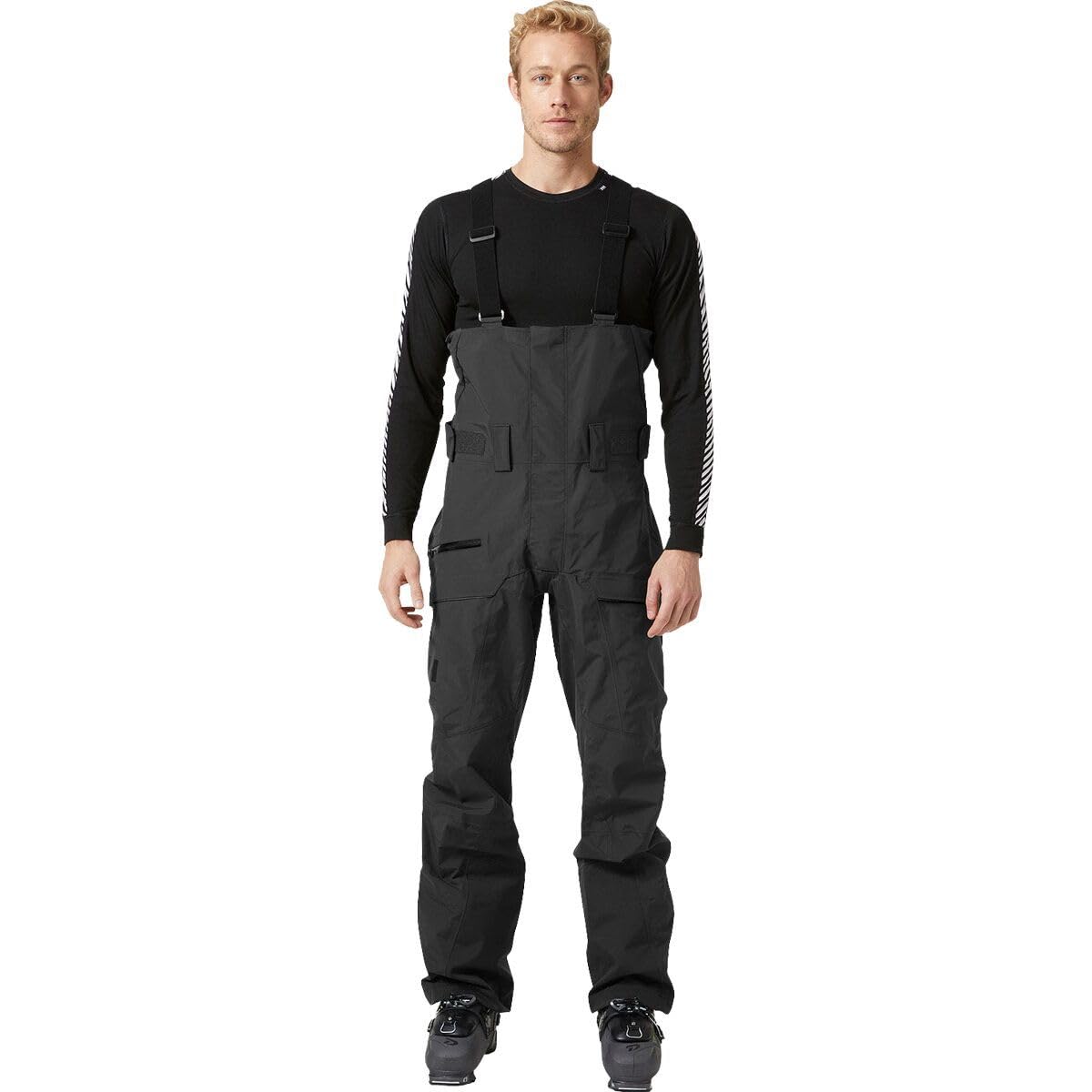
At just 1.75 pounds, the Helly-Hansen Sogn Bib Shell is one of the lightest pure shell bibs in this roundup. The HELLY TECH membrane is paired with fully taped seams for reliable waterproofing in wet conditions. Skiers who prioritize fast transitions and minimal pack weight will appreciate the low weight and packability.
Breathability is a strong point. Reviewers reported staying comfortable while skiing at 25°F with just a base layer underneath, which suggests the membrane vents moisture effectively. The side zippers are long and run down the outer leg for rapid heat dumping during transitions, though they’re less accessible when wearing a pack.
The fit runs long in the leg, and the waist can be tight for some body types. One reviewer described the waist as “tight tight tight” while the legs were excessive in length. Lack of a front kangaroo pocket or deep stash pocket for phone and snacks is a common complaint. Ideal for skiers who want lightweight shell performance and plan to layer precisely.
Why it’s great
- Very lightweight for multi-hour climbs
- Breathable membrane for active use
- Long side vents for quick cooling
Good to know
- Waist fits tight; not ideal for larger midsections
- Legs run long for shorter skiers
6. Dakine Men’s Red Gerard 30K Waterproof Bib
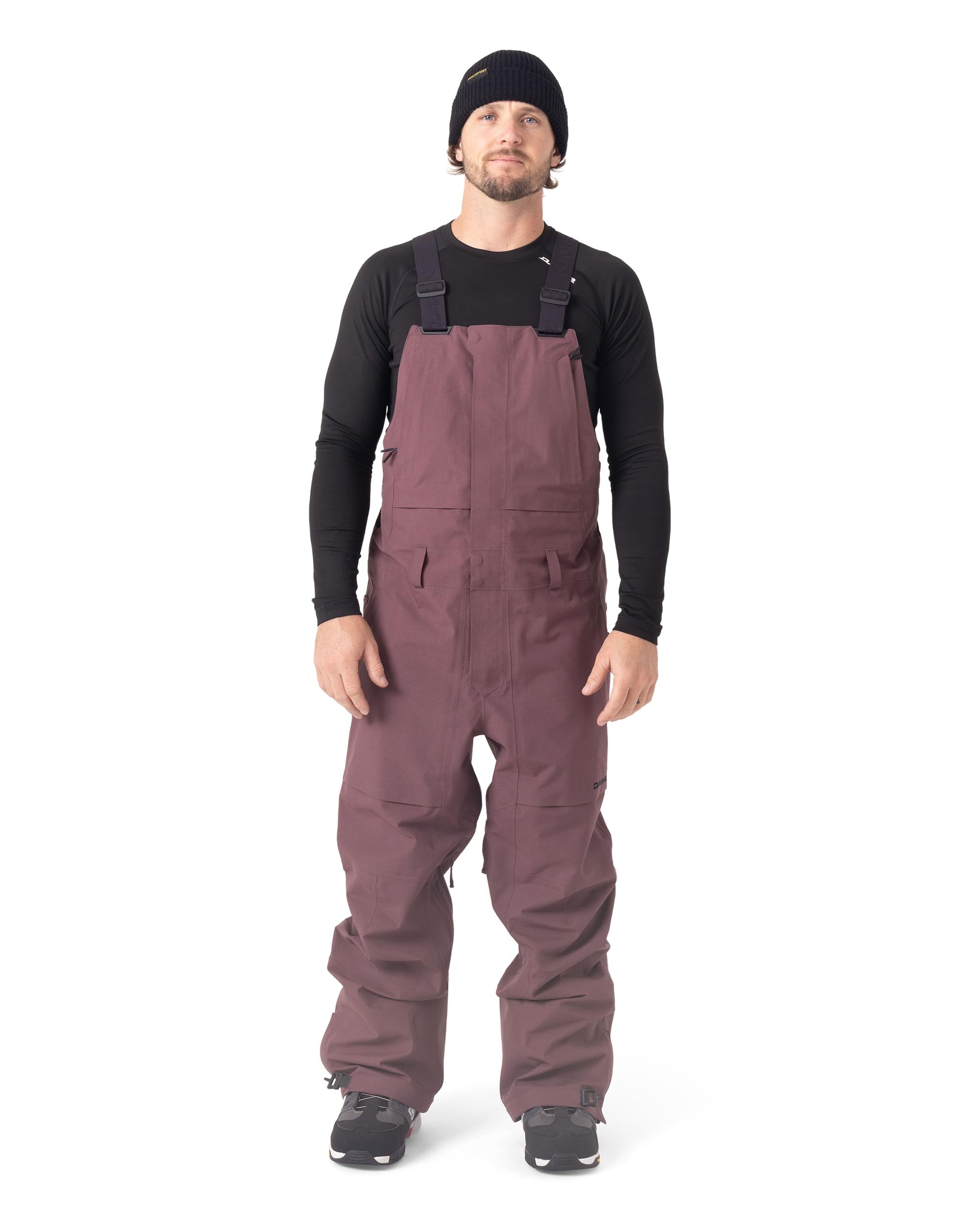
The Dakine Red Gerard Bib offers a 30K waterproof rating in a 3-layer shell at a budget-friendly entry point. It is fully taped and PFAS-free. Reviewers noted the bib runs very large — a 5’11”, 185-pound skier wore a small comfortably — making sizing critical. The shell has no insulation, so you must layer.
Pockets are plentiful with two front, two back, and a chest pocket. However, the chest zipper is narrow and may not fit larger phones. The bib uses button and zip closures at the front. The overall build feels durable for the price, with thick cuff protectors to resist ski edge cuts.
The bib lacks adjustability at the waist and torso. The shoulder straps are elastic-only with no velcro tabs or gussets, which can be a problem for skiers with muscular torsos or larger bellies. One reviewer found the bib “very tight with no adjustments.” If you need an adjustable fit, this is not the right choice.
Why it’s great
- High 30K waterproof rating for wet conditions
- Good pocket count for the price
- PFAS-free shell construction
Good to know
- Runs very large; size down substantially
- No waist or torso adjustability
7. Helly Hansen Legendary Insulated Bib Pant
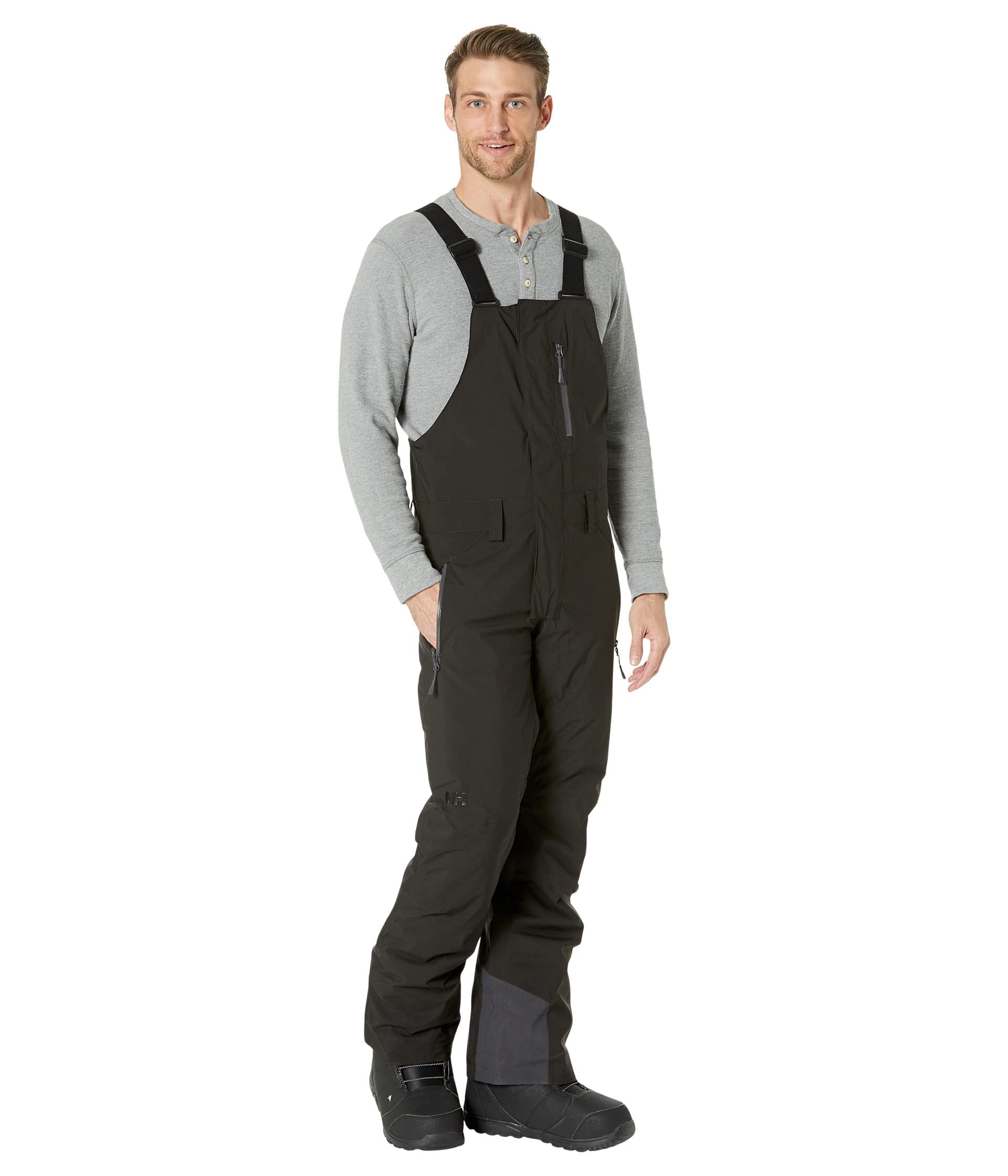
The Helly Hansen Legendary Insulated Bib uses PrimaLoft insulation for warmth without the bulk of older synthetic fills. This makes it a solid choice for cold resort days or low-exertion touring where you won’t overheat. The shell fabric is soft and flexible, which reviewers appreciated for mobility.
Fit runs true to size for most, but one shorter reviewer (under 6 feet) noted the large size was too long. The bib lacks a short/regular/tall option, which is a limitation. The insulation level is moderate — enough for single-digit temps with a good base layer, but not for extreme cold.
Pockets are adequate but limited compared to shell bibs. The soft material feels premium, but the lack of ventilation zips makes it less ideal for active touring. If your main use is lift-served skiing with occasional short tours, this insulated bib provides cozy warmth without the cost of high-end shells.
Why it’s great
- PrimaLoft retains heat even when damp
- Soft, quiet fabric for comfortable wear
- Moderate insulation suitable for cold days
Good to know
- No ventilation zips for temperature regulation
- No length options; long legs may drag
8. The North Face Men’s Freedom Insulated Bib
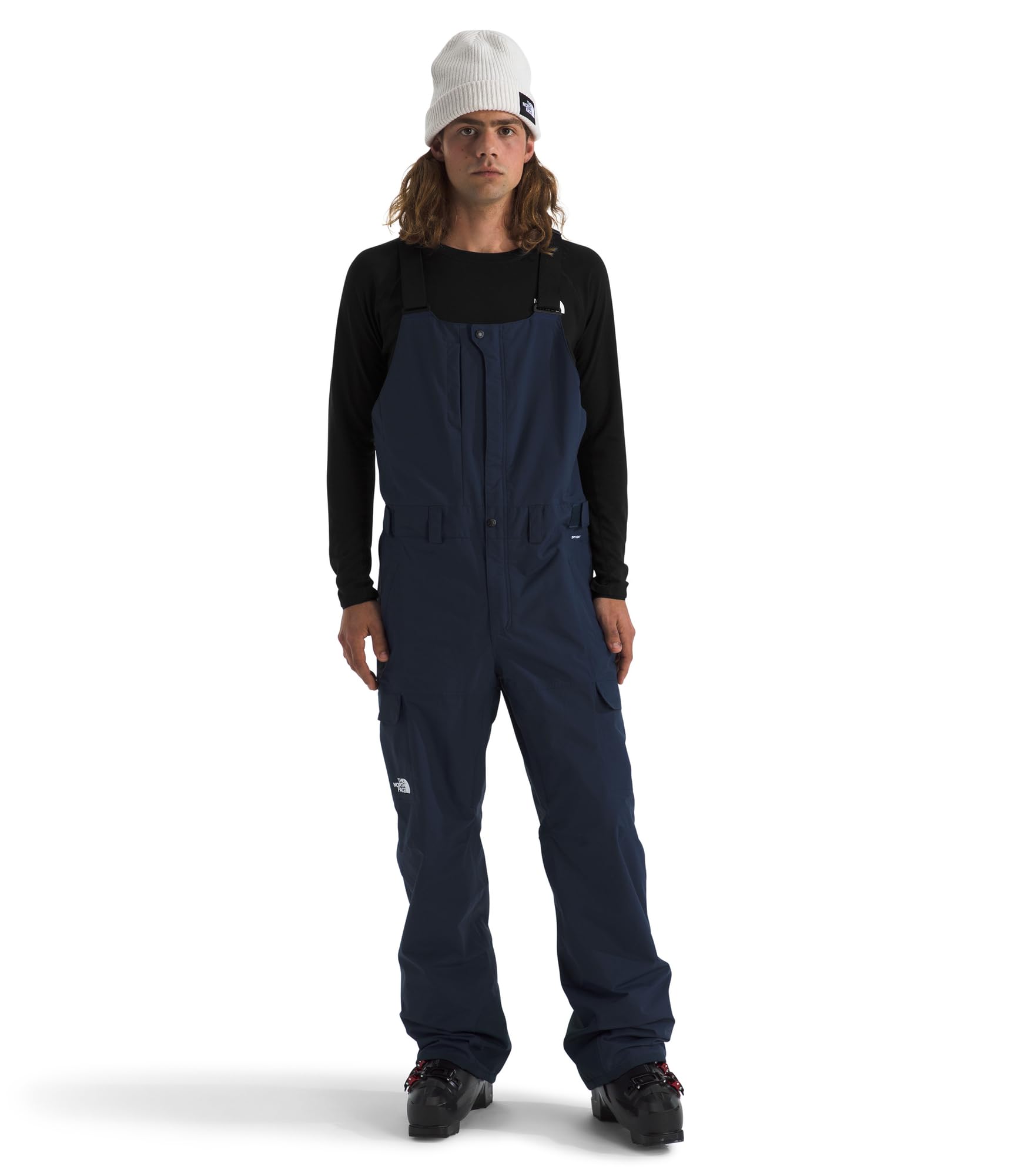
The North Face Freedom Insulated Bib balances insulation with mesh-lined thigh vents — a rare combo that lets you shed heat during the climb while keeping warmth on the descent. Heatseeker Eco insulation is lightweight and retains warmth when damp. Reviewers noted the bib kept them warm into single-digit temps.
Fit runs true to size, with a medium short option available for shorter skiers. One 5’7″, 190-pound reviewer found the large short roomy but workable for hiking and cross-country skiing. The adjustable straps and zippered pockets (including a chest pass pocket) are well-executed.
Insulation makes this bib heavier than shell options for long tours. The mesh vents are effective but not as large as the full-side zips found on dedicated touring bibs. Best for skiers who do a mix of resort and short backcountry laps and want one bib that does both without freezing on the chairlift.
Why it’s great
- Insulated with functional mesh vents
- Short sizes available for shorter skiers
- True to size fit with good adjustability
Good to know
- Heavier than shell bibs for long tours
- Vents are mesh-lined, not full-length
9. The North Face Women’s Freedom Insulated Bib
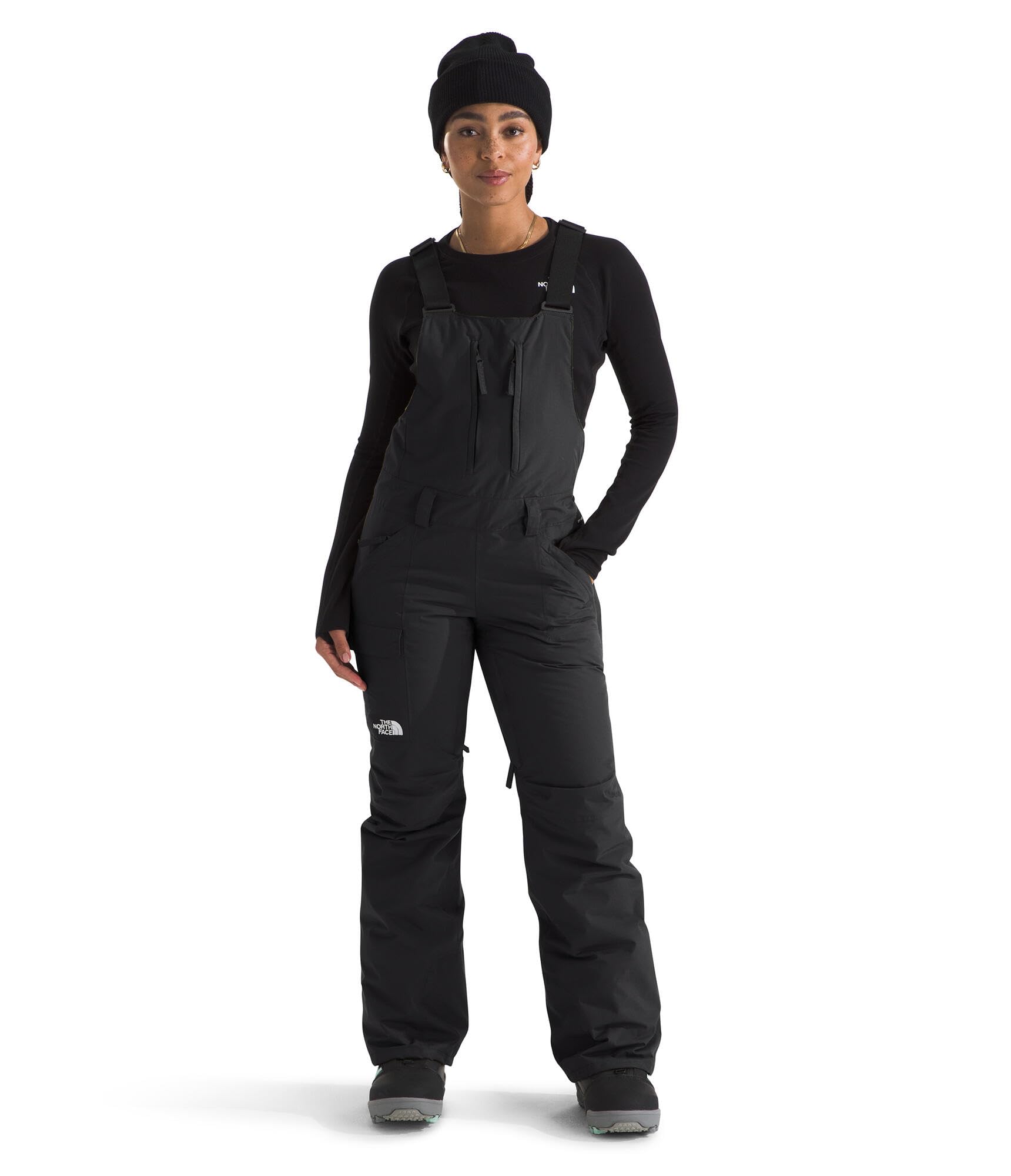
The North Face Women’s Freedom Insulated Bib is built with Heatseeker Eco insulation and mesh-lined thigh vents for temperature control. It is available in standard and plus sizes, which is a distinct advantage for women who need a wider range of fits. Reviewers consistently recommended sizing up one size.
Fit is described as snug through the stomach, thighs, and glutes when bending. One reviewer at 5’8″ and 135 pounds found the bib true to length but small through the hips. The squat test is recommended before purchase if you have a curvy shape. The ventilation is effective at preventing overheating during ascents.
Lightweight yet warm, the bib kept a reviewer warm in polar circle conditions with fleece-lined pants underneath. The color options are limited, and the insulated build makes it less packable than a shell for overnight tours. Best for women who want a resort-capable bib that can handle short, active tours without layering excessively.
Why it’s great
- Available in standard and plus sizes
- Lightweight insulation with active venting
- Kept testers warm in extreme conditions
Good to know
- Runs small through hips and thighs
- Insulated bulk limits packability
FAQ
Should I buy insulated or shell bibs for backcountry touring?
How do I know if my bib will fit with a touring pack hipbelt?
What does the Gore-Tex 3-layer warranty cover?
Final Thoughts: The Verdict
For most users, the best backcountry ski bibs winner is the Burton Reserve Bib Pant because its Gore-Tex membrane, dual-vent placement, and athletic-friendly fit handle the widest range of backcountry conditions. If you want the lightest weight for long tours, grab the Helly-Hansen Sogn Bib Shell. And for maximum durability against rocks and trees, nothing beats the Flylow Baker Bib with its 1000D reinforcements.