
Our readers keep the lights on and the weekend projects moving. As an Amazon Associate, I earn from qualifying purchases.
Your workday starts before dawn and doesn’t let up. Between hauling lumber, running conduit, or laying block, your body is a furnace fighting the cold—or baking in the sun. The wrong shirt soaks through, chafes raw, and leaves you shivering the moment you stop moving. A proper base layer is your first line of defense, managing moisture and trapping heat so you can focus on the job, not the temperature.
I’m Rikta — the co-founder and writer behind FitlyFast. I’ve spent hundreds of hours analyzing fabric blends, weight classes, and moisture-wicking technologies to understand exactly what keeps a construction worker dry, warm, and mobile through a twelve-hour shift.
This guide breaks down the best options on the market so you can find the base layer for construction workers that matches your climate and work style without wasting money on gear that will pill, stretch out, or trap sweat.
How To Choose The Best Base Layer For Construction Workers
A base layer for construction isn’t a fashion choice—it’s a tool. You need fabric that won’t hold sweat against your skin when you’re swinging a hammer, yet provides enough insulation when the wind picks up. Start by thinking about the temperature range you work in and how much you move.
Fabric Weight: Light, Mid, or Heavy
Lightweight layers (like 150-200 GSM or thin polyester knits) work best for warm-weather crews or high-intensity work where overheating is the enemy. Mid-weight (200-300 GSM) handles cool fall mornings and mild winters. Heavyweight (300+ GSM or dense merino) is for cold climates where you need serious insulation under a hoodie and coat.
Synthetic vs. Merino Wool
Synthetics—polyester, polypropylene, nylon—dry fast, hold up to abrasion from tool belts and harnesses, and cost less. Merino wool breathes naturally, resists odor after long weeks, and regulates temperature better, but it’s pricier and more delicate. For daily abuse, many contractors prefer heavyweight synthetics; for low-odor multi-day use, wool wins.
Fit: Compression vs. Relaxed
A snug fit traps warm air close to the body and wicks sweat more effectively than a loose one. But if the shirt restricts your reach or binds under a work vest, you’ll hate it. Look for a “regular” or “athletic” fit in stretch fabric. Avoid anything baggy—it bunches under outer layers and reduces moisture transfer efficiency.
Quick Comparison
On smaller screens, swipe sideways to see the full table.
| Model | Category | Best For | Key Spec | Amazon |
|---|---|---|---|---|
| Under Armour HeatGear Compression LS | Synthetic Lightweight | Warm weather / heavy sweating | Compression fit, polyester/elastane | Amazon |
| Carhartt Force® Grid Base Layer | Synthetic Mid-Weight | All-day comfort in cool weather | Stretch grid fleece, 100% polyester | Amazon |
| GORE WEAR Long Sleeve Base Layer | High-Performance Synthetic | Moisture management under gear | Polypropylene/spandex, ultra-thin | Amazon |
| Merino Wool Base Layer (250 GSM) | Merino Mid-Weight | Temperature regulation + odor control | 100% merino wool, 250 GSM | Amazon |
| Helly-Hansen LIFA Active Crew | High-Tech Synthetic | High-output work in cold conditions | 2-layer PP/polyester, oceanbound | Amazon |
| MERIWOOL Heavyweight 400g Pants | Merino Heavyweight | Extreme cold / stationary work | 400 GSM, 100% merino wool | Amazon |
| Under Armour Base 4.0 Crew | Synthetic Heavyweight | Freezing conditions / outdoor work | UA 4.0 brushed fleece, thick knit | Amazon |
In‑Depth Reviews
1. Helly-Hansen LIFA Active Crew
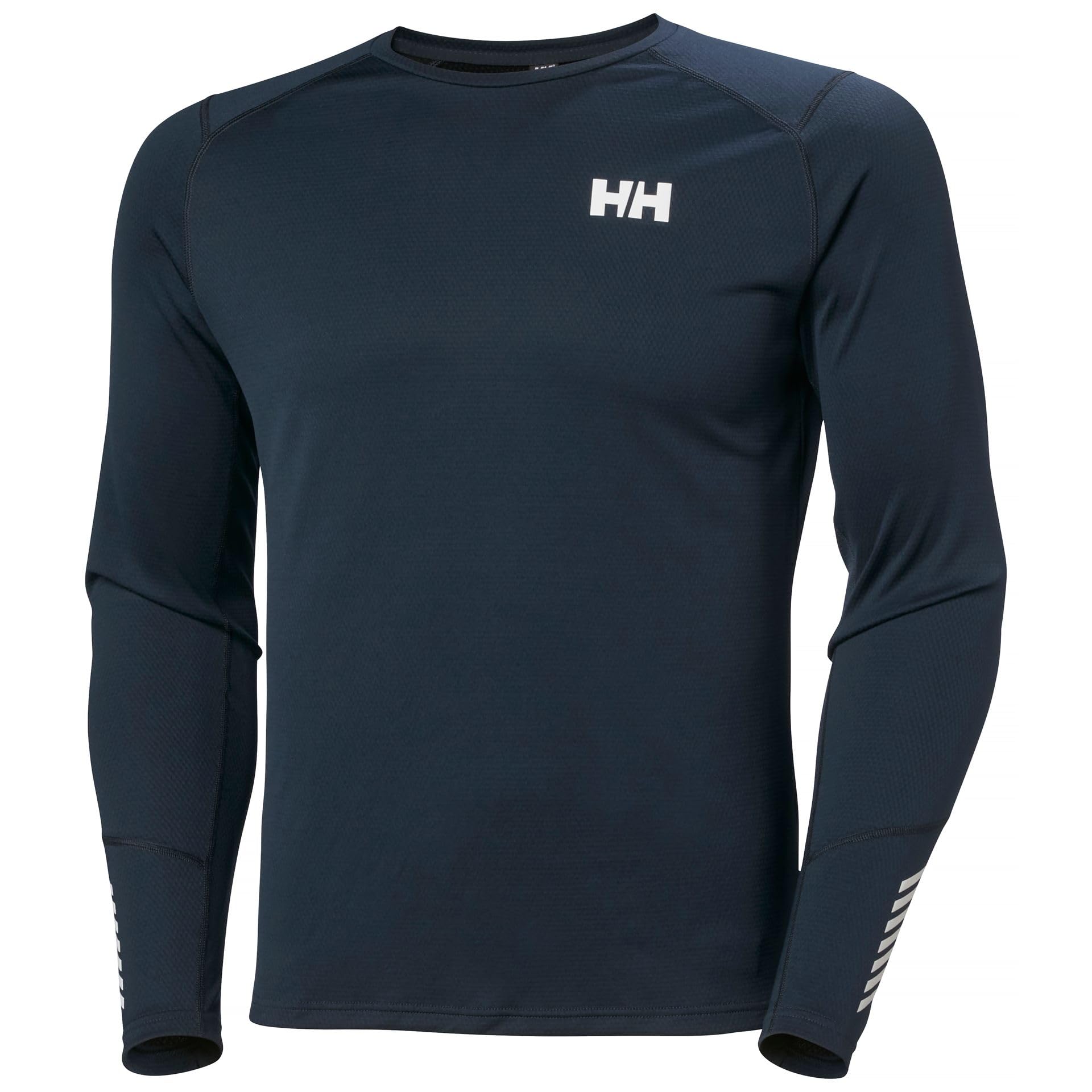
The Helly-Hansen LIFA Active Crew is engineered with a dual-layer construction: a polypropylene inner face that aggressively wicks moisture away from the skin and a polyester outer shell that resists abrasion from tool belts, harnesses, or coat zippers. This is not a casual base layer—it’s built for sustained physical output in cold to moderate conditions. The lightweight fabric feels minimal, but the two-layer system punches above its weight in thermal regulation.
Construction workers who run hot during the day but cool off during breaks will appreciate how the LIFA fabric moves sweat laterally rather than letting it pool. The regular fit offers more room than a compression shirt, allowing full shoulder and arm extension without binding. The “no-stretch” claim refers to the polypropylene core, but the outer polyester weave has enough give for real work movements.
One trade-off: the non-stretch fabric means you need to nail your sizing. Multiple reviewers note that going one size up from your standard is the safer bet, especially if you plan to layer over it. The color options are limited and not construction-site flashy, but the performance is undeniable. This is the most technically advanced piece on the list for active workers.
Why it’s great
- Dual-layer construction separates sweat absorption from abrasion protection
- Oceanbound recycled polyester adds eco-cred without losing performance
- Regular fit doesn’t restrict overhead reaching or bending
Good to know
- Fabric has zero stretch—sizing up is almost mandatory for active use
- Minimal insulation on its own; works best as part of a layering system
2. Under Armour Men’s Packaged Base 4.0 Crew
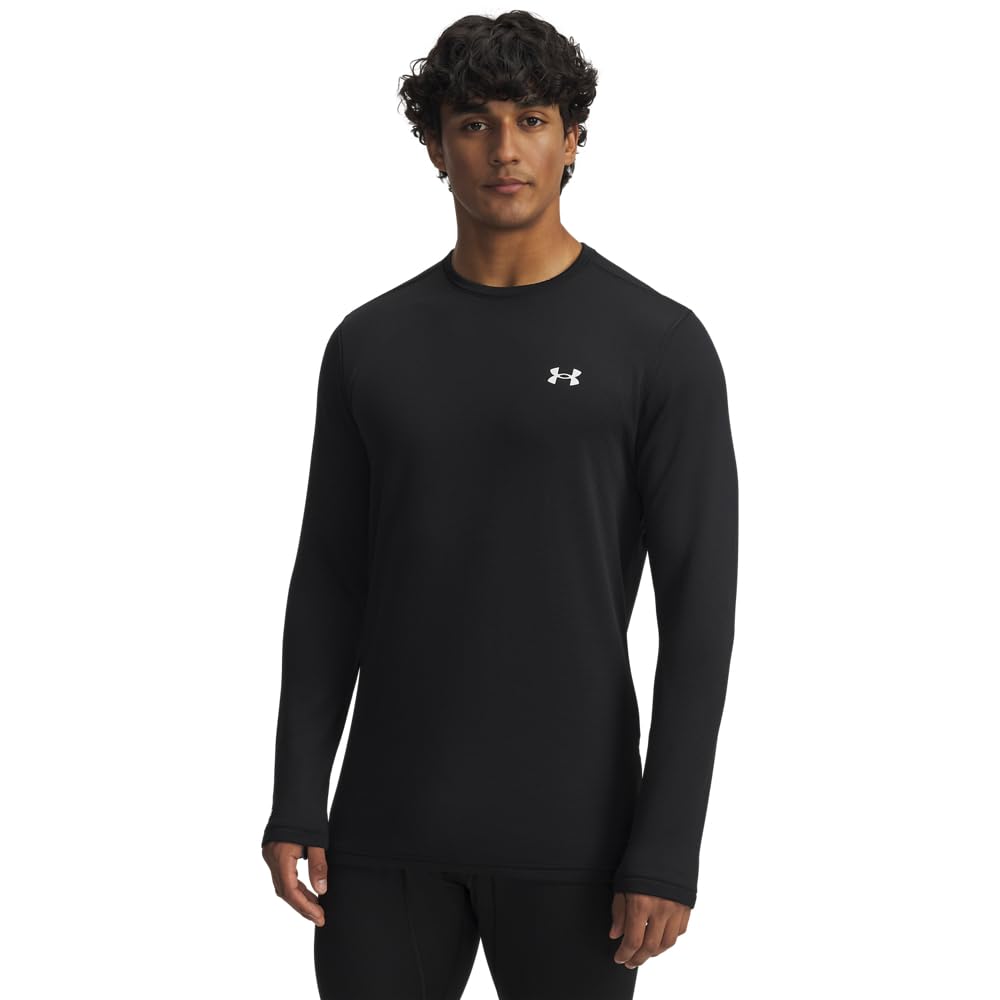
Under Armour’s Base 4.0 is the thickest, warmest synthetic base layer they make, and it earns its reputation among workers who spend entire shifts outdoors in sub-20°F conditions. The brushed fleece interior traps a significant layer of still air, providing insulation that rivals mid-weight merino at a fraction of the maintenance hassle. The crew neck design seals warmth around the collar without choking.
What sets the 4.0 apart from lighter base layers is the balance of thickness and mobility. The fabric has enough stretch to allow full range of motion for shoveling, lifting, and crouching. Reviewers who work outdoors daily confirm it holds up to repeated washing and abrasive outer layers. The fit is snug but not compressive—ideal for trapping heat without restricting blood flow during prolonged cold exposure.
Be aware that this is a warm-weather liability. If your work involves any indoor heated space or physical exertion that pushes your core temperature up, the 4.0 will quickly become too hot. It’s designed specifically for sustained cold, not variable conditions. Also, the price is premium-tier, but the warmth per dollar is hard to beat for full-shift winter work.
Why it’s great
- Brushed fleece interior provides exceptional warmth without bulk
- Stretch fabric preserves movement through full work range
- Durable knit survives daily wear and machine washing
Good to know
- Overheats quickly in moderate temps or high-output indoor work
- Premium price point reflects specialized cold-weather performance
3. Carhartt Men’s Force® Lightweight Stretch Grid Base Layer
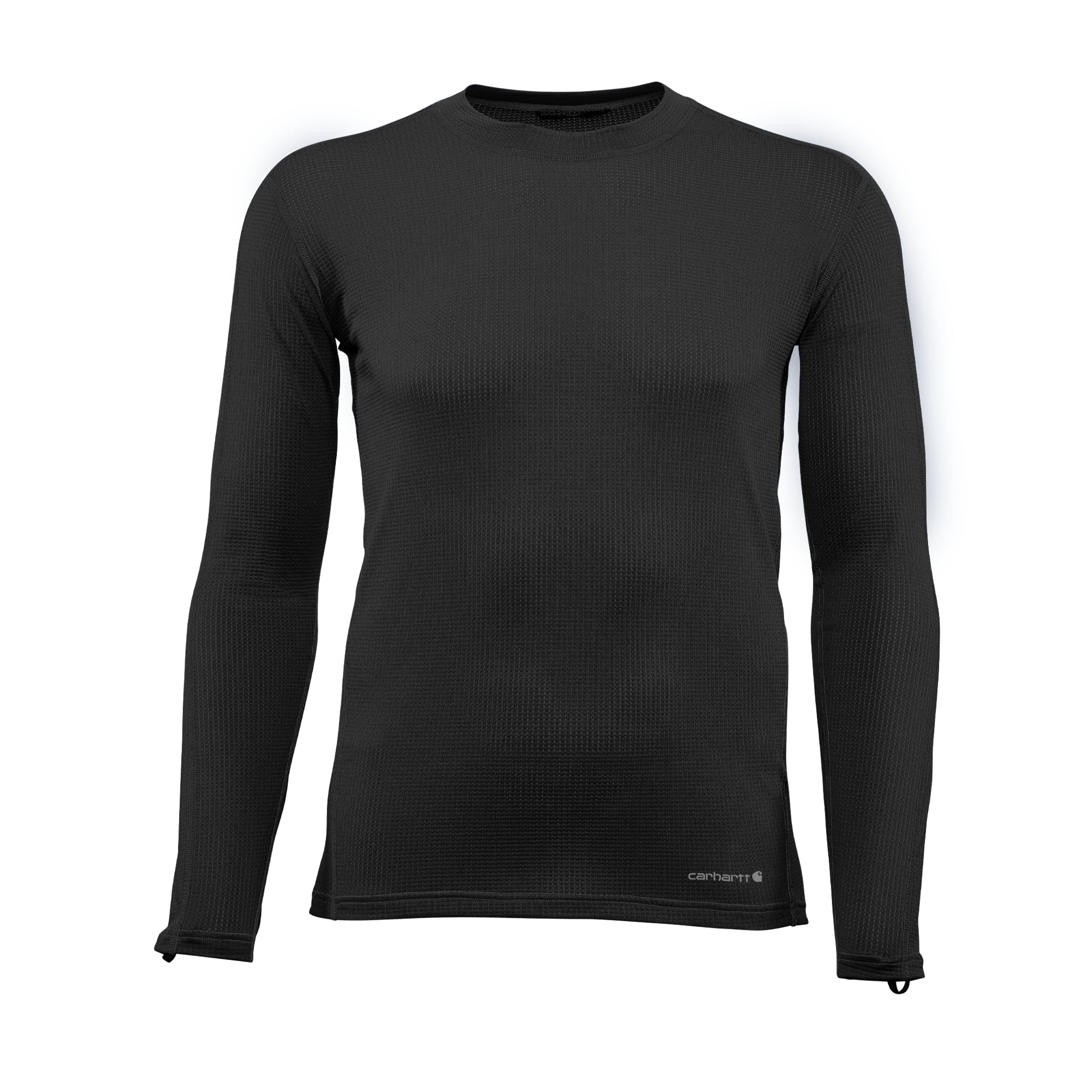
Carhartt knows what a worksite demands, and the Force Grid Base Layer delivers exactly what a construction worker needs: a lightweight thermal that doesn’t ride up, doesn’t overheat, and stays put under a uniform. The grid-fleece pattern creates tiny air pockets for insulation while remaining highly breathable—perfect for the guy who runs warm but still needs a layer for chilly mornings.
The 100% polyester build dries fast when you sweat and holds its shape after dozens of washes. Thumb loops are a small but critical feature: they keep the sleeves from bunching inside a Carhartt jacket or when you’re reaching overhead with a drill. The tall sizes accommodate longer torsos and arms without the hem creeping up.
Where it falls short is extreme cold. This is explicitly a lightweight base layer, and reviewers confirm it’s not enough for winter running or standing still in sub-20°F wind. But for the vast majority of construction climates—cool falls, mild winters, and layering under a hoodie—it’s the most versatile and cost-effective option on this list.
Why it’s great
- Grid-fleece breathes well while providing light insulation
- Thumb loops prevent sleeve migration under work jackets
- Tall sizes available for longer torsos and arms
Good to know
- Too lightweight for severe cold as a standalone layer
- Polyester can retain odors after multiple heavy-sweat days
4. GORE WEAR Men’s Base Layer Long Sleeve Shirt

GORE WEAR brings its technical fabric expertise from high-performance cycling into the workwear space. This base layer is ultra-thin—almost like a second skin—made from polypropylene and spandex. Its sole mission is moisture transport: it pulls sweat off your skin and spreads it across a larger surface area for rapid evaporation, preventing that clammy, wet-shirt feeling that causes chills during breaks.
For construction workers who wear a waterproof shell or heavy canvas jacket, this layer is invaluable. It eliminates the sweat-pooling problem that occurs when a non-breathable outer layer traps moisture. The fit is aggressively snug (EU sizing runs small—order one size up for US fit), which maximizes skin contact for wicking but won’t restrict motion due to the spandex stretch.
Durability is the main caution. A minority of reviewers report seam failures, and the ultra-thin fabric is less abrasion-resistant than a heavier knit. This is not the shirt to wear directly under a rough tool belt without a mid-layer. It’s also near-zero insulation—designed purely for sweat management, not warmth. If your priority is staying dry rather than staying hot, this is your winner.
Why it’s great
- Polypropylene fabric wicks sweat faster than polyester or wool
- Ultra-thin profile layers seamlessly under any outerwear
- Spandex stretch allows full mobility despite snug fit
Good to know
- Very thin—not durable against rough abrasion without a mid-layer
- EU sizing requires ordering one size up for a US fit
5. Merino Wool Base Layer Mens – 100% Merino 250 GSM
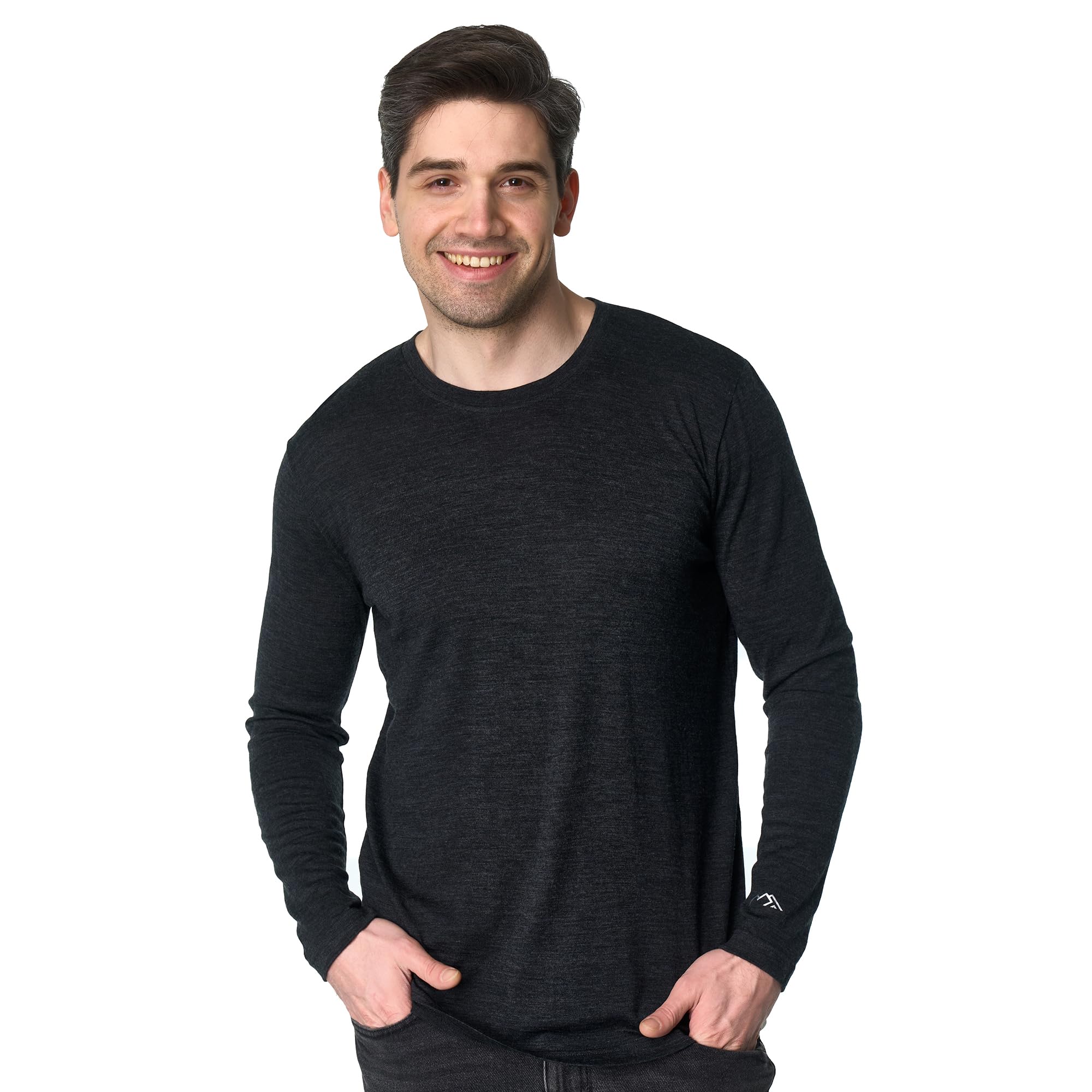
A 100% merino wool base layer at this price point is a rare find, and this one delivers genuine warmth without the itch. The 250 GSM weight places it in the mid-weight category—substantial enough for cool mornings but not so thick that you overheat when the sun comes out. The jersey knit is soft against the skin, even for guys who usually find wool scratchy.
The biggest advantage of merino on a job site is odor resistance. Synthetic fibers trap bacteria from sweat, and after a long week, they smell. Merino’s natural antimicrobial properties keep the shirt wearable for multiple days between washes—a real benefit for workers who commute or live out of a truck. The stretch weave also moves with you; reviewers note it fits snugly without being restrictive.
The trade-offs are durability and care. Merino is more fragile than polyester—it can pill under a stiff outer layer or get snagged on rough surfaces. It also requires gentle washing (cold water, low heat or air dry) to avoid shrinkage. If you’re rough on gear or prefer to machine-dry everything, this may not survive a full season.
Why it’s great
- 100% merino wool insulates even when damp and resists odors
- Mid-weight 250 GSM is versatile across a wide temperature range
- Soft jersey weave is non-itchy against bare skin
Good to know
- Merino requires gentle washing to prevent pilling and shrinkage
- Less durable than synthetics against abrasion from tool belts and bags
6. Under Armour Men’s HeatGear Compression Long-Sleeve T-Shirt

Under Armour’s HeatGear is the gold standard for warm-weather compression. The fabric is engineered to feel cool against the skin and actively wick sweat away during high-output work. For construction workers in hot climates—roofers, concrete finishers, road crews—this base layer prevents the sticky, soaked-shirt feeling that leads to heat rash and discomfort by mid-afternoon.
The compression fit serves two purposes: it holds the fabric tight against your skin for maximum moisture transport, and it reduces muscle vibration during repetitive lifting and swinging motions. The long sleeves offer sun protection on exposed arms without trapping heat, and the flatlock seams prevent chafing when you’re wearing a hard hat vest or shoulder straps.
The main limitation is temperature range. HeatGear provides zero insulation—it’s purely a cooling and compression layer. In temperatures below 50°F, you’ll need something over it. Also, the compression fit is not for everyone; if you prefer a looser feel or have a larger build, the sizing can feel restrictive. It runs true to size for a compression garment, but check the size chart carefully.
Why it’s great
- HeatGear fabric actively cools and wicks sweat during high-output work
- Compression fit reduces muscle fatigue and prevents fabric from riding up
- Flatlock seams eliminate chafing points under work gear
Good to know
- Provides no warmth—unsuitable for cold weather without a mid-layer
- Compression fit can feel restrictive for workers who prefer loose clothing
7. MERIWOOL Mens Base Layer 100% Merino Wool Heavyweight 400g Thermal Pants
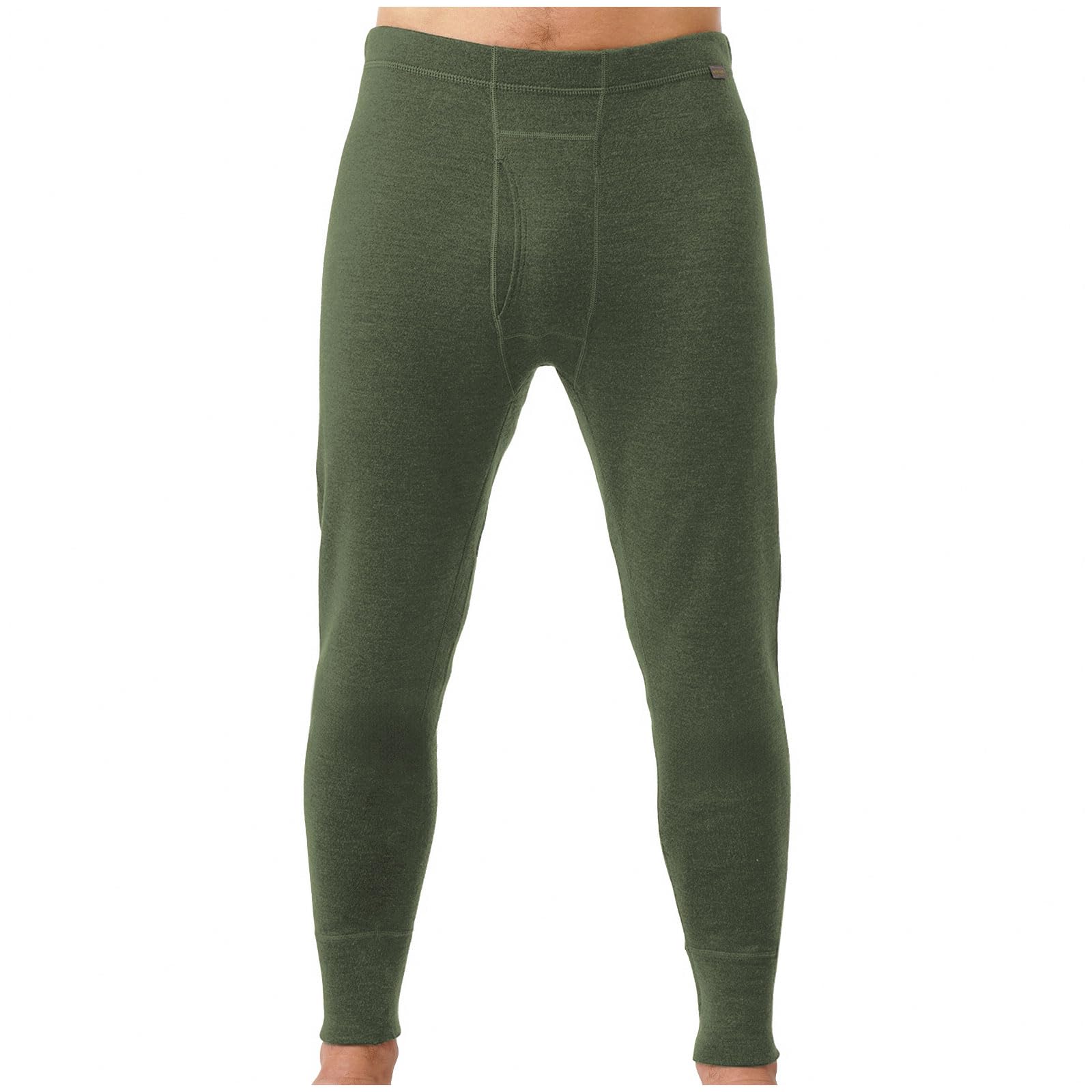
When the temperature drops below freezing and you’re on your feet all day, a heavyweight wool base layer on your legs is non-negotiable. These MERIWOOL pants are 400 GSM of pure merino—the heaviest option on this list—designed for extreme cold. The dense knit traps a thick layer of warm air, making them suitable for standing on cold concrete or working in unheated structures all shift long.
The wool is soft and comfortable against the skin, with a generous fit that allows room for a second layer underneath if needed. Reviewers consistently praise the warmth-to-bulk ratio: these are thick but not restrictive. The natural moisture-wicking of merino keeps your legs dry even when you’re sweating under heavy gear, and the odor resistance is a bonus for multi-day use on remote job sites.
The biggest drawback is the lack of a drawstring. Multiple reviewers note the pants tend to slide down under jeans or work pants during active movement like squatting or climbing. They’re excellent for stationary or low-motion scenarios but less ideal for high-mobility trades. Over time, high-friction areas like the crotch can wear thin. Hand-wash and air-dry to maximize their lifespan.
Why it’s great
- 400 GSM merino provides premium warmth for extreme cold conditions
- Soft, non-itchy wool feels comfortable against bare skin all day
- Natural odor resistance ideal for multi-day use on remote sites
Good to know
- No drawstring waist—pants can slide down during climbing or squatting
- Crotch area may wear thin with heavy use; requires gentle washing
FAQ
Can I wear a cotton t-shirt as a base layer on a construction site?
How should I wash a merino wool base layer to make it last?
What is the difference between a 250 GSM and a 400 GSM merino base layer?
Final Thoughts: The Verdict
For most users, the base layer for construction workers winner is the Helly-Hansen LIFA Active Crew because its dual-layer construction handles moisture and abrasion better than anything in its class. If you want maximum warmth for freezing conditions with stretch and durability, grab the Under Armour Base 4.0 Crew. And for the best value on a versatile, breathable layer that works in cool weather and layers beautifully, nothing beats the Carhartt Force Grid Base Layer.