
Our readers keep the lights on and the weekend projects moving. As an Amazon Associate, I earn from qualifying purchases.
Watching wood bees drill dime-sized holes into your deck or eaves is a sinking feeling. The sawdust piles up, the holes multiply, and the structural damage to your home begins long before you ever hear that first buzz. A real solution needs to intercept the nesting females before they establish a home base — not just haze them away for the afternoon.
I’m Rikta — the co-founder and writer behind FitlyFast. I’ve analyzed thousands of customer reports and spec sheets across pest control categories, focusing specifically on how trap geometry, baiting strategies, and material durability determine whether a trap actually reduces the local carpenter bee population or simply decorates your porch.
Whether you’re dealing with aggressive yellow jackets near the patio or the telltale sawdust of carpenter bees boring into your siding, choosing the right bee trap comes down to matching the design to the specific species and placement.
How To Choose The Best Bee Trap
Carpenter bees, wasps, and yellow jackets require fundamentally different attract-and-capture strategies. Picking a trap without knowing which species is drilling into your home is the fastest way to waste a season. Here are the three hardest decisions you’ll face.
Species-Specific Design vs. General Catch
General-purpose disposable traps (yellow plastic bags) attract a wide range of flying insects using a liquid bait like sugar water, wine, or meat. They work for wasps and yellow jackets but rarely stop a carpenter bee. Wood-bodied traps with pre-drilled holes and a catch chamber are engineered to mimic the natural nesting cavities that carpenter bees seek — they ignore other insects entirely.
Disposable Convenience vs. Reusable Build
Disposable traps are cheap and require no cleanup — you toss the entire bag when full. But they generate plastic waste and need regular bait replacement. Wooden traps, especially those with a removable bottom chamber or a latch for catch-and-release, last for years and need no bait beyond captured bees. The upfront cost is higher, but the per-season cost is near zero.
Placement Height and Sun Exposure
Most traps fail because they hang in the wrong spot. Carpenter bees are most active between 77-86°F and prefer direct sunlight, so traps should be placed 5-7 feet high on a south- or southwest-facing side of the structure, away from ground moisture. Wasp traps work best in bright, sunny areas near existing activity but away from high-traffic zones like doorways.
Quick Comparison
On smaller screens, swipe sideways to see the full table.
| Model | Category | Best For | Key Spec | Amazon |
|---|---|---|---|---|
| Wood Carpenter Trap (Best Bee Trap Green Pentroof) | Wooden Reusable | Carpenter bee protection | Patented design # RE46.421 | Amazon |
| Wood Carpenter Trap (Best Bee Trap Plastic Jar) | Wooden Reusable | Carpenter bee containment | 5.1 x 5.1 x 8.7 inches | Amazon |
| Carpenter Bee Trap (Bee Warehouse) | Wooden Catch-Release | Humane relocation | 5-15 ft effective range | Amazon |
| Solar Wasp Trap (Stingmon 2-pack) | Solar Reusable | Nighttime wasp control | Blue UV light + solar panel | Amazon |
| Disposable Wasp Trap 8-Pack (Stingmon) | Disposable Bait | Large area yellow jacket | 8 traps, 6.7 x 5.1 inches | Amazon |
| Disposable Wasp Trap 6-Pack (Stingmon) | Disposable Bait | Medium area wasp | 6 traps, 7.8 x 9.5 inches | Amazon |
| Disposable Wasp Trap 4-Pack (Stingmon) | Disposable Bait | Entry-level wasp | 4 traps, 7.8 x 9.5 inches | Amazon |
In‑Depth Reviews
1. Carpenter Bee Trap for Outside – Green Pentroof Shed Style (Best Bee Trap)
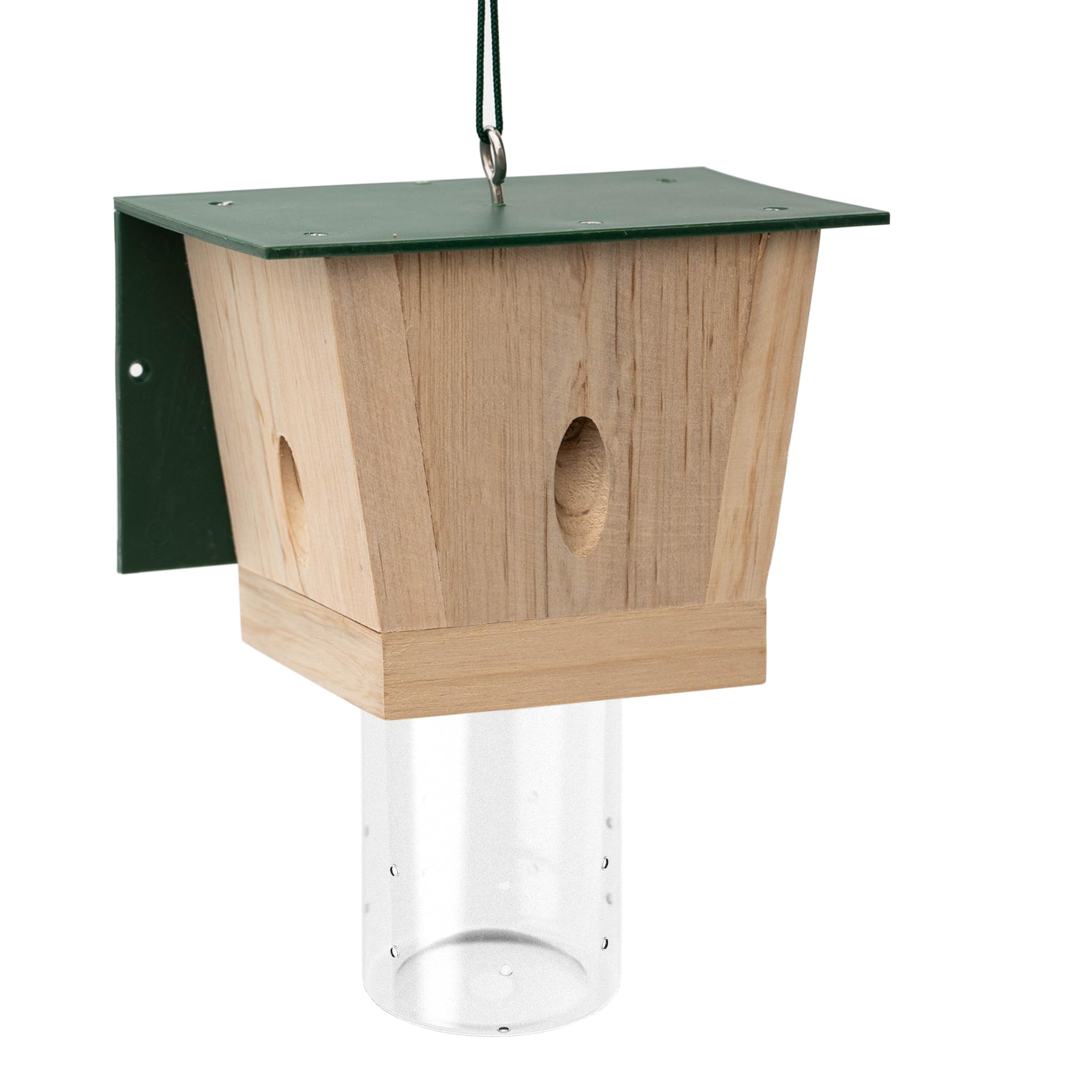
This is the trap that stops the drilling before it starts. The green pentroof design mimics a small shed, and the natural wood body with pre-drilled holes creates an irresistible nesting invitation for female carpenter bees. The patented entry geometry (U.S. # RE46,421) is not just for show — it channels the bees into a removable vault that screws off for emptying. Customers report catching 6-7 bees within the first two weeks, often after a 72-hour delay while the first scouts explore the chamber.
The construction is reinforced with screws and horse nails, so it withstands rain and direct sun without warping or cracking. The 6.3 x 3.7 x 7.9-inch size is compact enough to tuck under eaves without being an eyesore, but the vault chamber is large enough to hold a season’s worth of captures. Multiple users mentioned catching 20+ carpenter bees over the course of a spring and summer, with a visible drop in new holes around the house.
A few customers noted that if no bees have entered after a week, moving the trap to a sunnier, south-facing location or treating nearby existing holes with cork solved the issue. The trap also occasionally catches honey bees that wander in, so periodic checks are wise if you keep pollinators nearby.
Why it’s great
- Patented design targets only carpenter bees — no collateral insect death
- Reinforced wood construction lasts for years in outdoor weather
- Removable vault makes emptying simple and clean
- No bait required; captured bees release pheromones to attract more
Good to know
- May take 3–4 days before first catch
- Green roof color may deter some territorial bees (try switching to brown/wood tone)
- Not effective against wasps or yellow jackets
2. 1 PCS Wood Carpenter Bee Trap for Outside – Best Bee Trap Plastic Jar
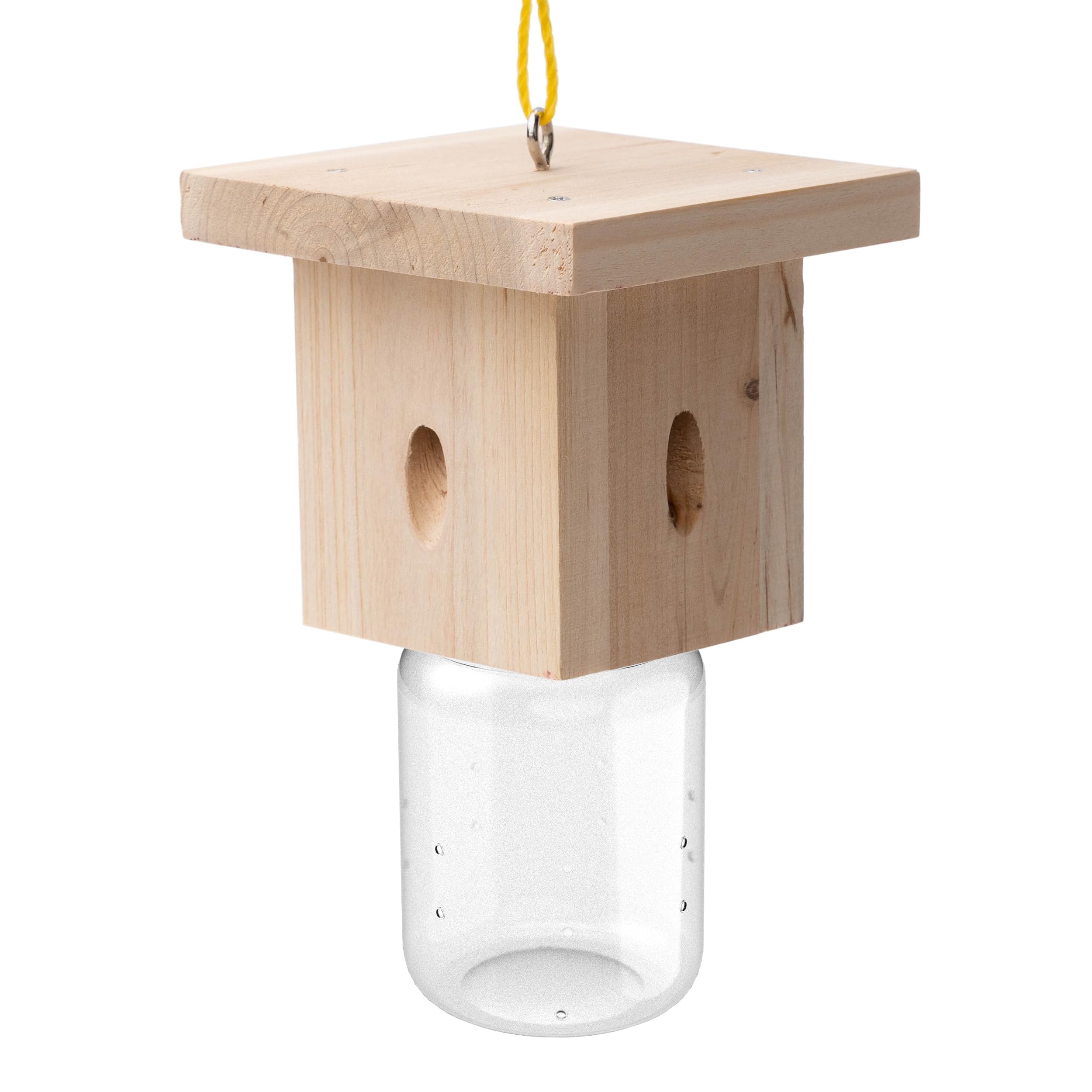
This version from the same patented platform swaps the fully wood shed design for a wood top block with a clear plastic jar bottom. The jar lets you see exactly how many bees you’ve caught without unscrewing the chamber, which is a real convenience for tracking activity. The 5.1 x 5.1 x 8.7-inch profile is slightly taller than the pentroof model, and the jar bottom screws on and off easily for emptying.
The bait strategy here is the same as the pentroof — a female carpenter bee placed inside emits pheromones that attract males and other females. Users who have used the “catch one, use it as bait” method report catching up to 13 bees within weeks. The wood block is made from high-quality natural wood and reinforced at the seams, holding up well under rain and heat.
Some buyers did report that the trap caught zero carpenter bees when placed in shaded or low-traffic areas. The instructions explicitly recommend hanging 5-7 feet high, facing south/southwest, in direct sunlight. A small number also noted that flies entered the jar instead of carpenter bees, which can happen if the trap is placed near garbage or compost rather than active wood-boring zones.
Why it’s great
- Transparent jar lets you monitor catch count without disassembly
- Same patented hole geometry as the pentroof model
- Sturdy wood top resists cracking and weathering
- Easy screw-off jar bottom for quick emptying
Good to know
- Jar can fog up in humid conditions
- May catch flies if hung near food waste areas
- One unit per pack — larger infestations may need multiple
3. Carpenter Bee Trap – Wood Boring Bee Trap – Bee Warehouse Catch & Release
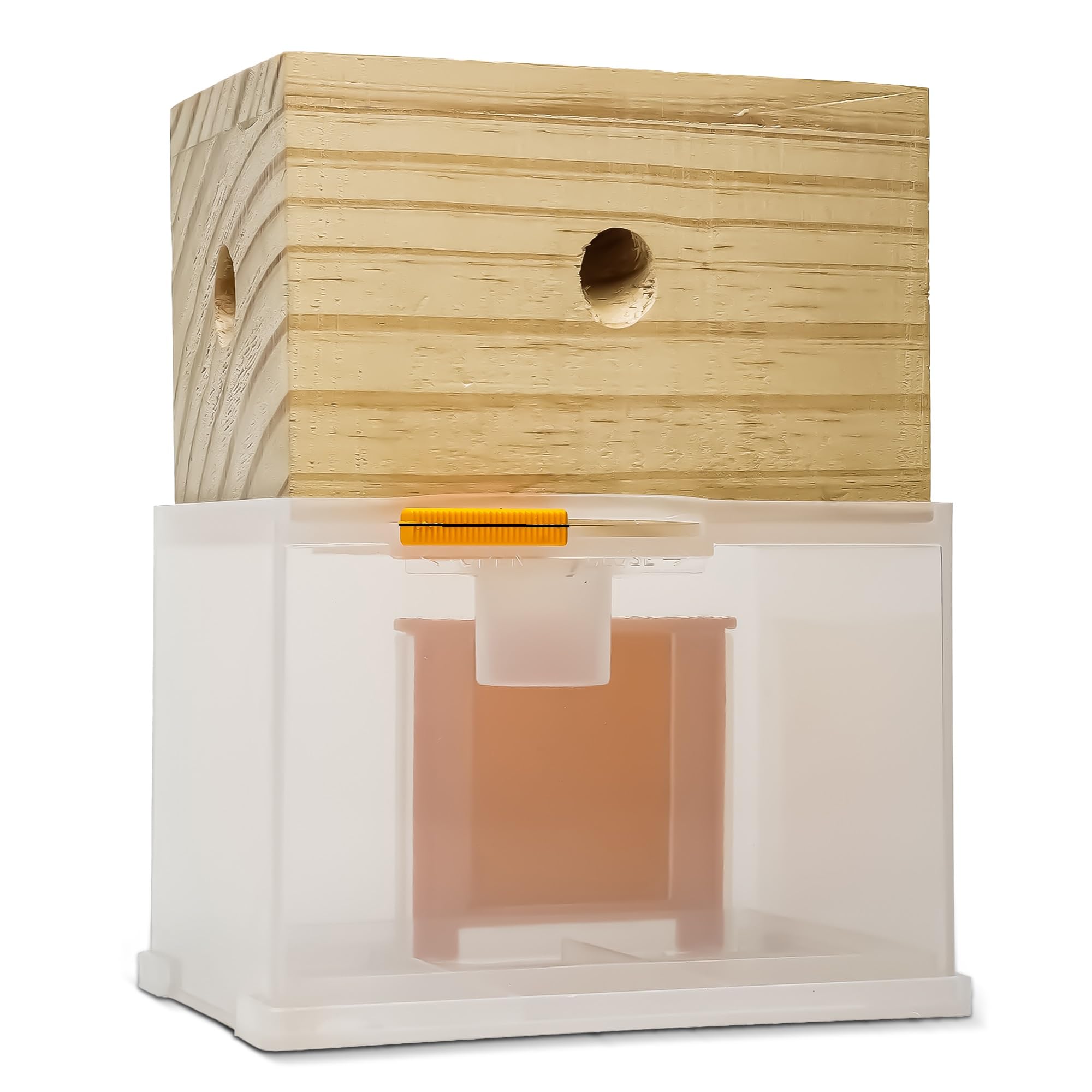
If your goal is to move carpenter bees rather than kill them, this is the only trap on the list designed for exactly that. The extra-large catch chamber includes a latch that closes the entry, allowing you to carry the full trap to a remote location and open the door to release the bees unharmed. The range of effectiveness is listed at 5-15 feet, which is wider than most wooden traps and gives you more placement flexibility around eaves and decks.
The trap body is a combination of wood and plastic, with pre-drilled holes that attract only carpenter bees — not bumbles, honeys, or leafcutters. Customers report catching bees within 48 hours of setup, often plugging nearby existing holes before hanging the trap to force the bees toward the new entry. The rectangular shape sits flat on surfaces without tipping, which is useful for areas where hanging isn’t possible.
Quality control has been an issue: some units arrive without the hanging hardware or with missing screws, requiring a trip to the hardware store. A few users also found that the trap failed to attract any bees, but those who placed a dead carpenter bee inside as bait saw immediate results. The catch-and-release latch is a small door that requires careful handling to avoid escapes during transport.
Why it’s great
- Humane catch-and-release design with secure latch
- Large chamber needs emptying only once per season
- Safe for non-target insects — only attracts carpenter bees
- Rectangular base sits level without hanging
Good to know
- Quality control inconsistency on included hardware
- Some users needed to add a dead bee to trigger attraction
- Release door can be finicky when opening
4. 2 Pack Wasp Traps Outdoor Hanging – Stingmon Solar Wasp Catcher
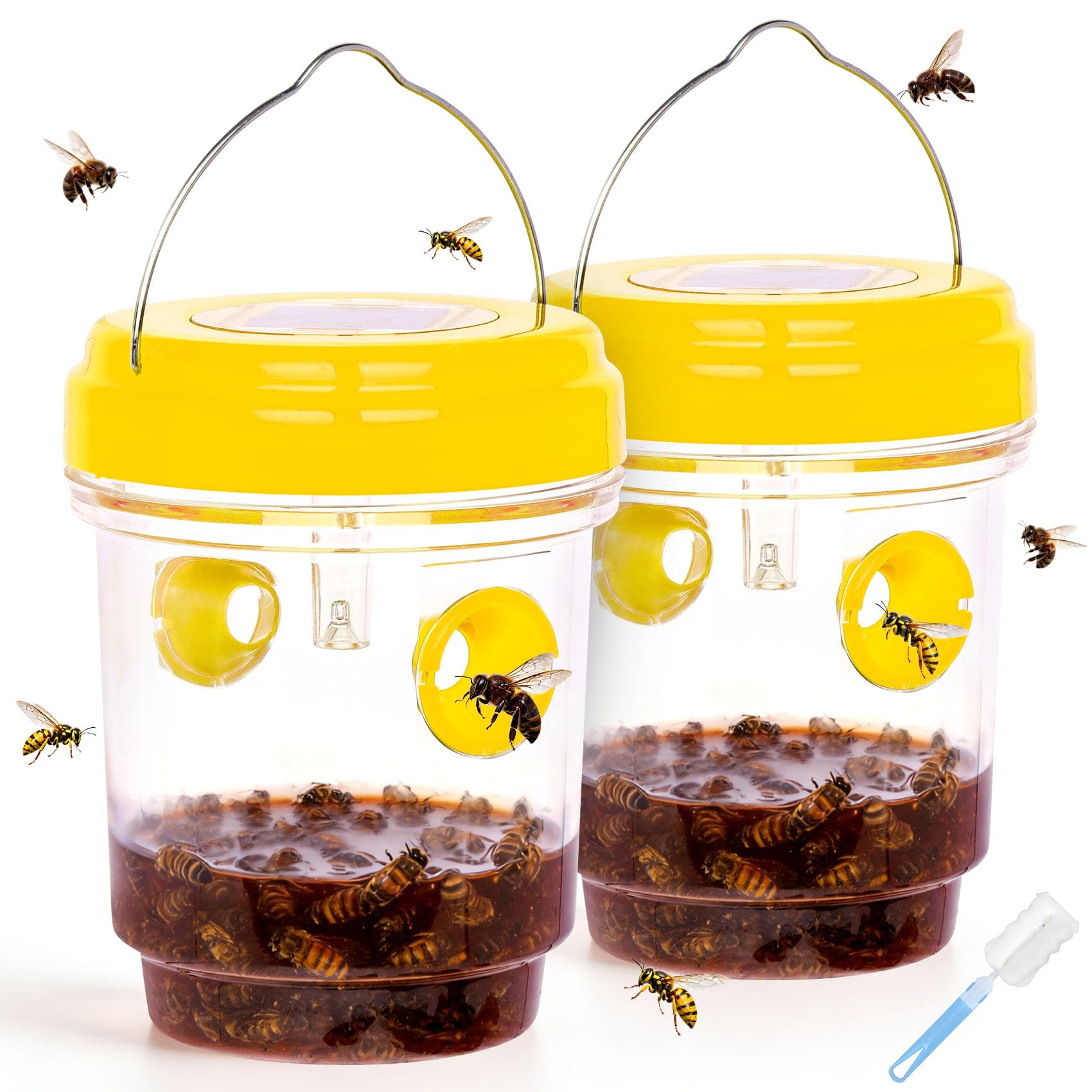
This is the only trap on the list that works after sunset. The solar panel charges during the day, and at night a blue UV light emits a warm glow that attracts wasps, yellow jackets, and even flies. The 3.94 x 3.94 x 4.72-inch body is made from ABS plastic and stainless steel, so it resists rust and heat far better than disposable bags. The dual-entry tunnels are designed with an outer larger opening and a smaller inner passage that makes it hard for insects to escape once inside.
For daytime use, you add a sugar-water or honey solution to the base of the trap. The UV light kicks in automatically when ambient light drops, extending the catch window into dusk when wasps are returning to their nests. Customers using fruit juice or wine as bait reported catching dozens of yellow jackets over a weekend. The included colors (blue and orange) let you rotate based on which species is more active — blue is generally more attractive to wasps.
The trap is not designed for carpenter bees at all. It specifically targets wasps and yellow jackets, making it a poor choice if you need to stop wood boring. Some users also noted that the solar panel doesn’t hold charge well in cloudy weather, so the UV light may not run all night without direct sun exposure.
Why it’s great
- Solar-powered UV light for nighttime wasp attraction
- Rust-resistant ABS and stainless steel construction
- Dual-entry tunnel reduces escape rates
- Two color options for targeting different species
Good to know
- Not effective for carpenter bees
- Solar charging weakens on overcast days
- Smaller catch volume than disposable bag traps
5. 8 Pack Disposable Wasp Traps – Stingmon Yellow Jacket Trap
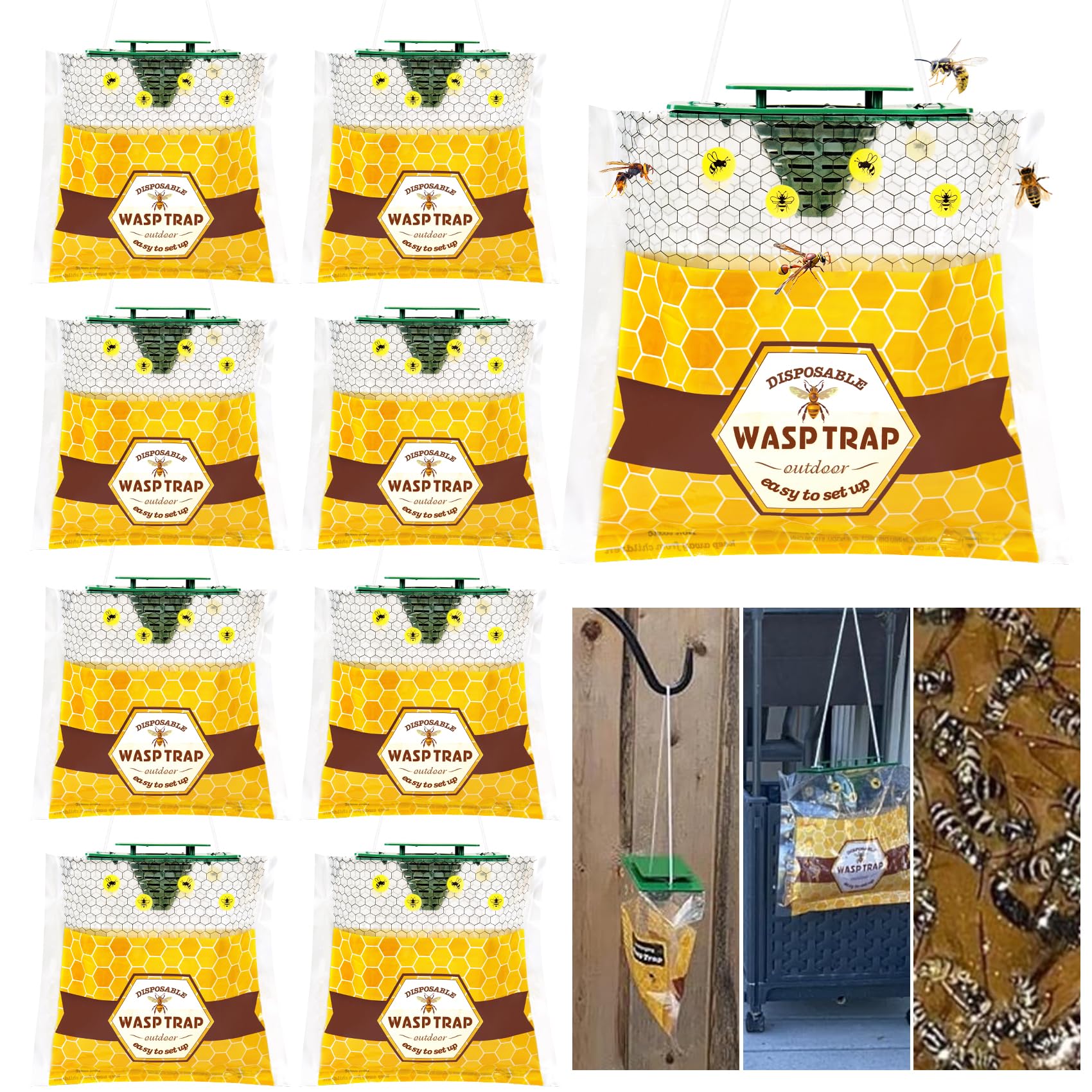
For covering a large property with wasp control, this eight-pack of disposable yellow bags is the most aggressive option. Each bag measures 6.7 x 5.1 inches and includes ties for hanging on branches or fences. The bright yellow color is scientifically proven to attract wasps, yellow jackets, and hornets, and the funnel at the top locks them inside once they enter. Users report catching hundreds of insects over a season by rotating fresh bags as the old ones fill.
The traps require your own bait — honey or wine for wasps, beer or meat for yellow jackets. Customers who used fruit juice or apple cider vinegar saw immediate results, with bags filling within 72 hours. The disposable nature means no cleanup: once a bag is full, you tie it off and toss it. For horse stables, barns, and large gardens, the quantity alone makes this a solid value.
The biggest drawback is that these traps are not prefilled, and some buyers expected bait to be included. A few users also found that the bags only caught flies and ladybugs instead of wasps, which can happen if the bait mixture is too sweet and attracts non-target insects. The plastic bag material is thin and can tear if overfilled with heavy bait liquid or if exposed to sharp branches.
Why it’s great
- Eight traps provide extensive coverage for large areas
- Yellow color and funnel design maximize catch rates
- Fully disposable — no cleaning or reusing
- Works with common household bait liquids
Good to know
- Bait not included; must supply your own
- May attract flies if bait is too sweet
- Thin plastic can tear when handling full bags
6. 6 Pack Disposable Wasp Traps – Stingmon Yellow Jacket Trap
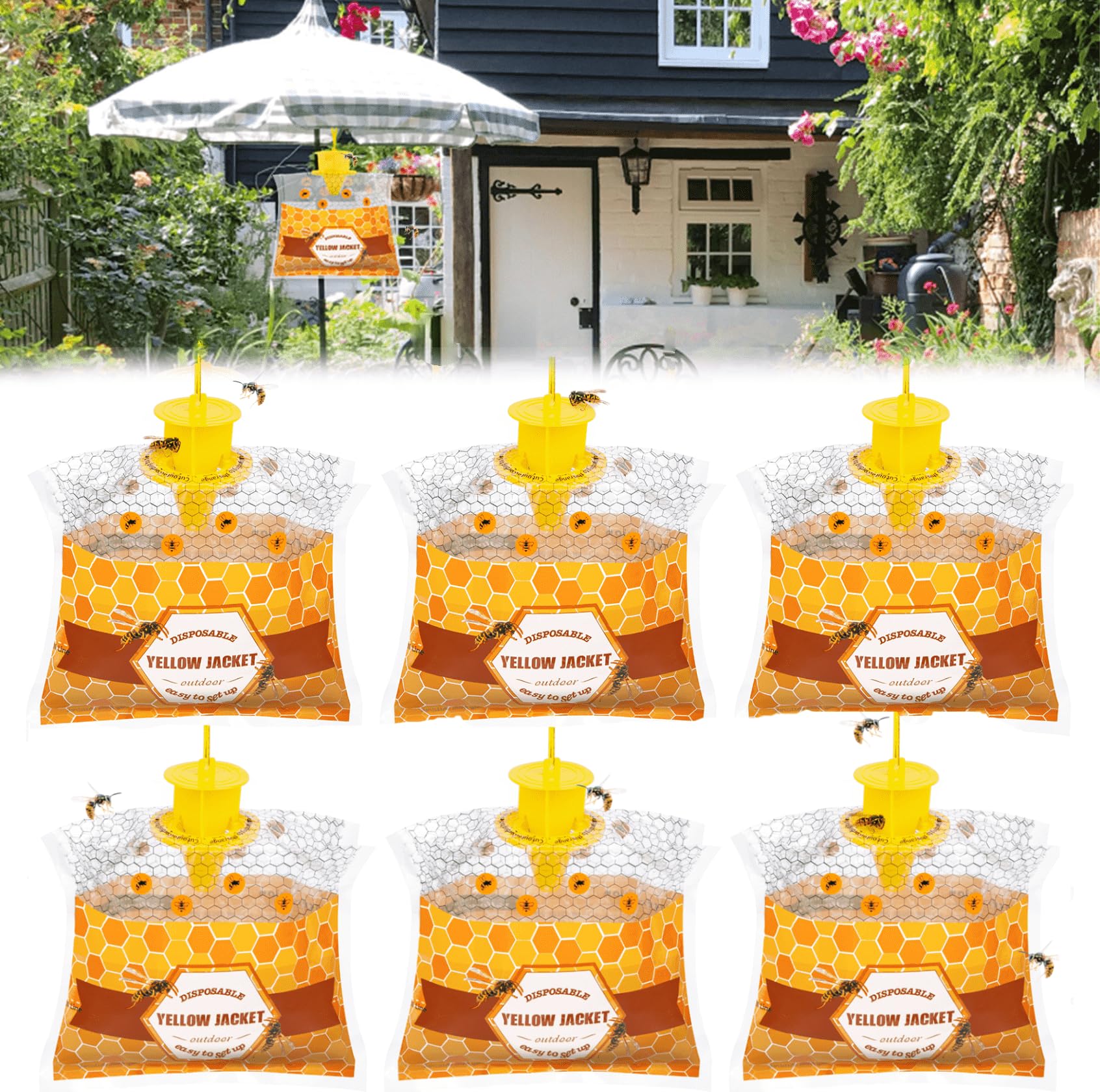
This six-pack version of the Stingmon disposable trap offers a middle ground between the four-pack and the eight-pack. The bag dimensions are 7.8 x 9.5 inches, slightly taller than the eight-pack variant, which gives them a higher liquid capacity before they need to be discarded. The same funnel-top design and yellow color scheme are in play, and the traps are marketed for use around yards, horse stables, barns, and patios.
Customer feedback indicates strong results with wine as bait — multiple users mention filling traps within a week using cheap red or white wine. The tie closure is basic but effective, and the bags stand up well to moderate rain and wind. For a medium-sized yard with a known wasp problem, this pack size provides enough coverage without leaving unused traps sitting in storage.
Like the eight-pack, these are not prefilled, and the same bait caveats apply. A notable minority of reviewers reported that the traps worked better for flies than wasps, especially when using sugary drinks. The bags are also not reusable, so the cost per season is marginal but not zero. Proper placement in bright, sunny areas is essential for attracting yellow jackets quickly.
Why it’s great
- Generous bag size holds more bait liquid
- Effective with wine, beer, or meat-based bait
- Six traps cover most standard properties
- Easy setup with included ties
Good to know
- Bait not included
- Can attract non-target insects
- Not suitable for carpenter bee control
7. 4 Pack Disposable Wasp Traps – Stingmon Yellow Jacket Trap
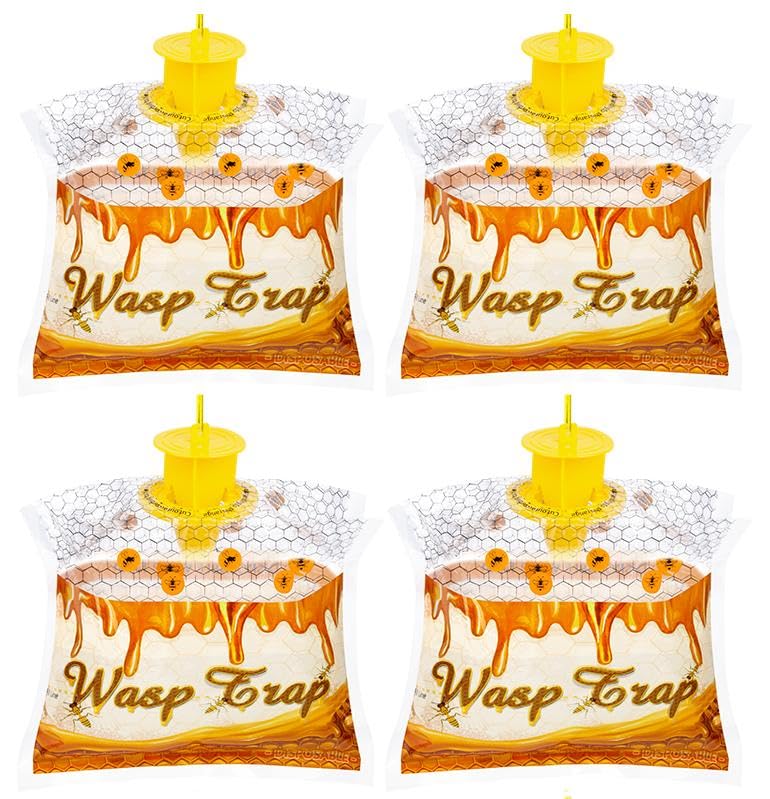
This four-pack of disposable yellow bag traps from Stingmon is the most budget-friendly entry point for testing whether yellow bait traps will solve your wasp problem. The bag dimensions are 7.8 x 9.5 inches, and the trap design is identical to the larger packs — funnel top, bright yellow color, and ties for hanging. The package also includes ties to make hanging around branches or fences easy.
Reports from users are mixed but generally positive when the traps are used correctly. Customers who added sparkling grape juice or honey water saw immediate results, catching multiple wasps within a week. The traps are also weather-resistant, holding up to rain and wind without tearing. For small patios, balconies, or targeted areas like near a dog run, four traps is often enough to reduce local wasp activity noticeably.
The main complaint is that these are just plastic bags — no bait, no attractant, no pre-treatment. Buyers expecting a ready-to-use trap were disappointed, and a few found that the bags caught nothing over several days when hung in shaded or low-bee-activity zones. The thin plastic can also tear if the bag is filled with too much liquid or if it scrapes against a sharp edge. They work best when hung in direct sunlight and baited with something strong-smelling.
Why it’s great
- Lowest entry cost for testing wasp trap effectiveness
- Weather-resistant plastic holds up in rain
- Bright yellow color maximizes insect attraction
- Funnel design prevents escape
Good to know
- No bait included — you must supply your own
- May catch zero insects in shaded or wrong-location hangs
- Thin plastic can tear under heavy liquid weight
FAQ
Can I use a disposable yellow bag trap for carpenter bees?
How high should I hang a carpenter bee trap?
Do I need to add bait to a wooden carpenter bee trap?
Will a UV solar trap work for carpenter bees?
Final Thoughts: The Verdict
For most users, the bee trap winner is the Best Bee Trap Green Pentroof because its patented wood construction and pheromone-based attraction system stop carpenter bees at the source without bait, glue, or toxic sprays. If you need a humane relocation option, grab the Bee Warehouse Catch and Release Trap. And for nighttime wasp activity around patios or stables, nothing beats the Stingmon Solar Wasp Trap.