
Our readers keep the lights on and the weekend projects moving. As an Amazon Associate, I earn from qualifying purchases.
Chicago winters don’t play fair. One day it’s a dry, biting cold, the next you’re wading through a half-frozen slush lake at a crosswalk, praying your socks survive. The wrong boot means wet feet, numb toes, and a miserable commute. The right boot makes a polar vortex feel like a walk in the park.
I’m Rikta — the co-founder and writer behind FitlyFast. I’ve spent hundreds of hours analyzing insulation ratings, waterproofing technologies, outsole compounds, and real-user durability reports specifically for boots that can handle Lake Effect misery, sidewalk ice sheets, and the brutal freeze-thaw cycle of a Chicago winter.
What follows is a no-fluff guide built to help you find your pair. After deep spec analysis and sifting through years of feedback from Chicagoans who actually test these in the wild, I’ve narrowed the field to the nine best performers. This is my definitive manual on finding the right boots for chicago winter.
How To Choose The Best Boots For Chicago Winter
Chicago winter is uniquely punishing. It’s not just the cold — it’s the wet snow that melts on salted streets, the refrozen ice slicks on the sidewalks, and the standing puddles at every bus stop. You need a boot that wears three hats: a high-loft insulation layer, a bombproof waterproof membrane, and a lug pattern that bites ice. Here’s what matters.
Insulation Weight and Type
Insulation is measured in grams — 200g, 400g, 600g. For Chicago’s typical 20°F to 30°F range, 200g to 400g is usually sufficient for walking or commuting. If you stand still at bus stops for 20 minutes or have poor circulation, bump up to 400g or higher. The material matters too — synthetic insulation like Thinsulate or Omni-Heat retains warmth even when damp, while fleece linings dry faster but offer less extreme-cold protection.
Waterproofing: The Membrane vs. The Coating
Not all “waterproof” boots are equal. A sealed membrane (like Omni-Tech, Gore-Tex, or a rubber shell) physically stops water from penetrating, even above the ankle. A DWR coating sheds light rain but fails under pressure — standing in slush will soak through in minutes. Look for a boot that explicitly states a waterproof membrane or a fully rubber chassis below the ankle line. Chicago slush demands total immersion protection.
Outsole Traction and Lug Pattern
Black ice is the real enemy. You need an outsole with deep, aggressively spaced lugs that can bite into frozen surfaces. Look for brands using Vibram Arctic Grip compounds or their own ice-specific rubber formulations. Smooth, shallow treads are useless on packed snow and ice. A good outsole will also self-clean — shedding packed snow from between the lugs so you don’t lose grip.
Shaft Height and Fit
Ankle-high boots leave you vulnerable. A 6-inch to 8-inch shaft prevents snow from going over the top when you step into a drift. For tall boots like Muck or Sorel, the shaft also stops slush from wicking up your pants. Also check width — many insulated boots run narrow. Chicago’s varied temperatures mean wearing thick wool socks is standard, so consider sizing up a half or full size if you plan to layer.
Quick Comparison
On smaller screens, swipe sideways to see the full table.
| Model | Category | Best For | Key Spec | Amazon |
|---|---|---|---|---|
| SOREL Tivoli V Tall | Tall Boot | All-Day Wet Snow | Tall waterproof shaft | Amazon |
| KEEN Revel IV High Polar | Insulated Hiker | Extreme Cold Activity | 400g insulation | Amazon |
| Helly Hansen V3 | All-Terrain | Sub-Zero Commutes | Waterproof leather upper | Amazon |
| Columbia Red Hills Omni-Heat | Daily Driver | Versatile Warmth & Style | Omni-Heat reflective lining | Amazon |
| The North Face Chilkat V 400 | Snow Boot | Lightweight Deep Snow | 400g Heatseeker insulation | Amazon |
| MUCK Arctic Ice Tall | Extreme | Severe Slush & Ice | Vibram Arctic Grip outsole | Amazon |
| Columbia Gunnison II | Budget Boot | Value & Large Sizes | Omni-Heat thermal reflective | Amazon |
| Columbia Expeditionist Shield | Lightweight | Everyday Dryness | Omni-Shield waterproof | Amazon |
| Baffin Crossfire | Extreme Cold | Stationary Deep Freeze | Multi-layer insulation | Amazon |
In‑Depth Reviews
1. SOREL Women’s Tivoli V Tall Waterproof Boot
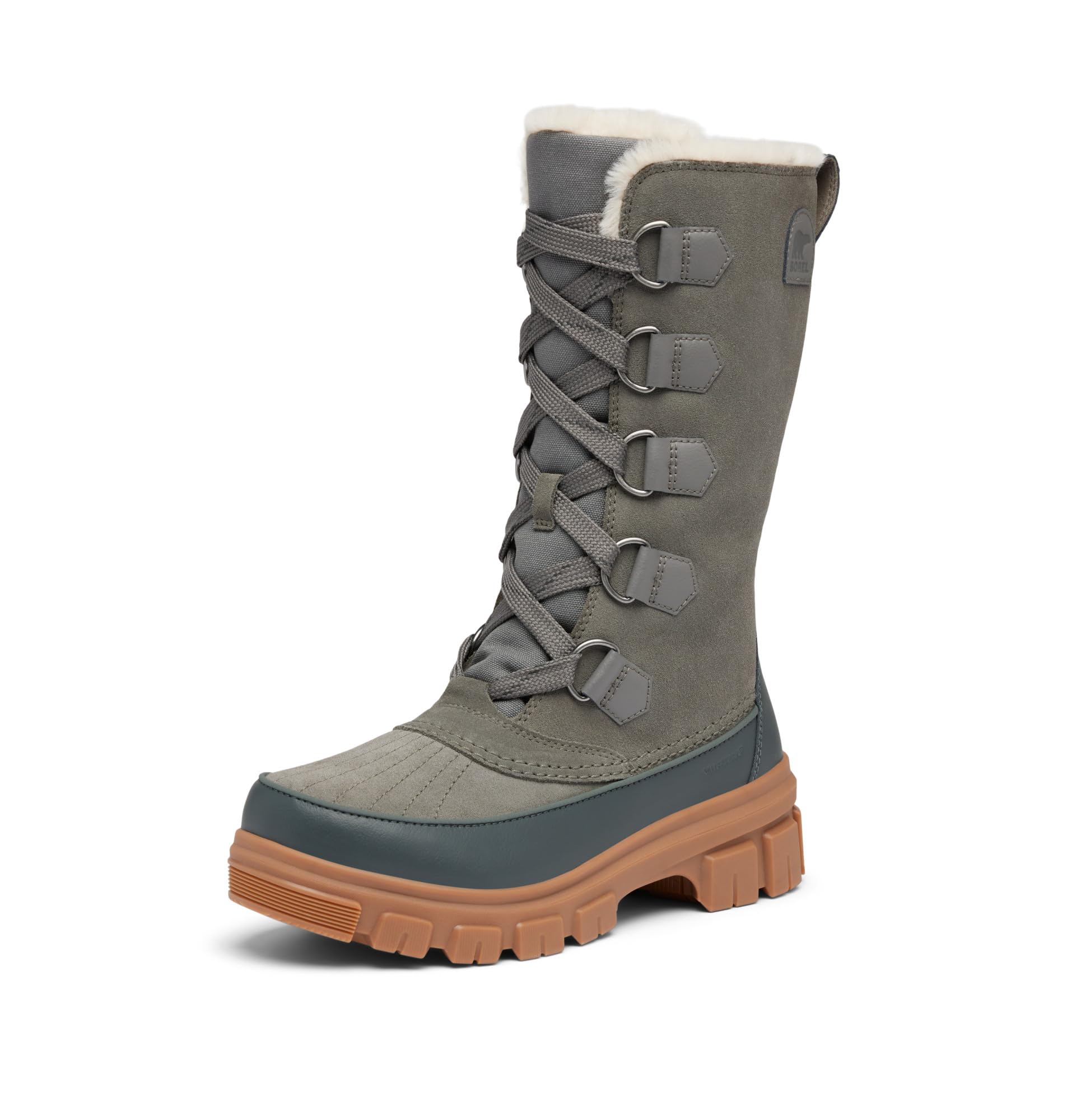
The SOREL Tivoli V Tall is the gold standard for Chicago’s mixed winter terrain. Its tall shaft keeps slush and snow from topping in, and the rubber shell extends high enough to handle the deep puddles at every curb cut. The traction is confident on icy patches, and the inner lining is warm without overheating during the train-to-walk commute. Multiple users reported lasting a decade, which is a solid endorsement for a boot facing salt, sand, and freeze-thaw abuse.
Fit runs true to size, with enough room for an orthotic if you need one. The laces are extra thick and don’t freeze into stiff ropes in single-digit temps — a small detail that matters when you’re rushing out the door. Ankle rub is a minor potential issue if you cinch the top too tight, but loose lacing or a bit of moleskin solves it. The style is understated enough for office-adjacent wear without screaming “hiking boot.”
This is a premium boot that earns its reputation. It’s warm to about 0°F, and for anyone with poor circulation, adding a heated insole pushes it well into sub-zero territory. For the woman who needs a single winter boot that handles everything from a morning commute to a weekend snow stomp, this is it.
Why it’s great
- Tall shaft keeps deep slush out
- Durable construction — many owners report a decade of service
- True to size with room for custom orthotics
Good to know
- Potential ankle rub when laced very tightly
- Not rated for extreme sub-zero static wear without heated insoles
2. KEEN Revel IV High Polar
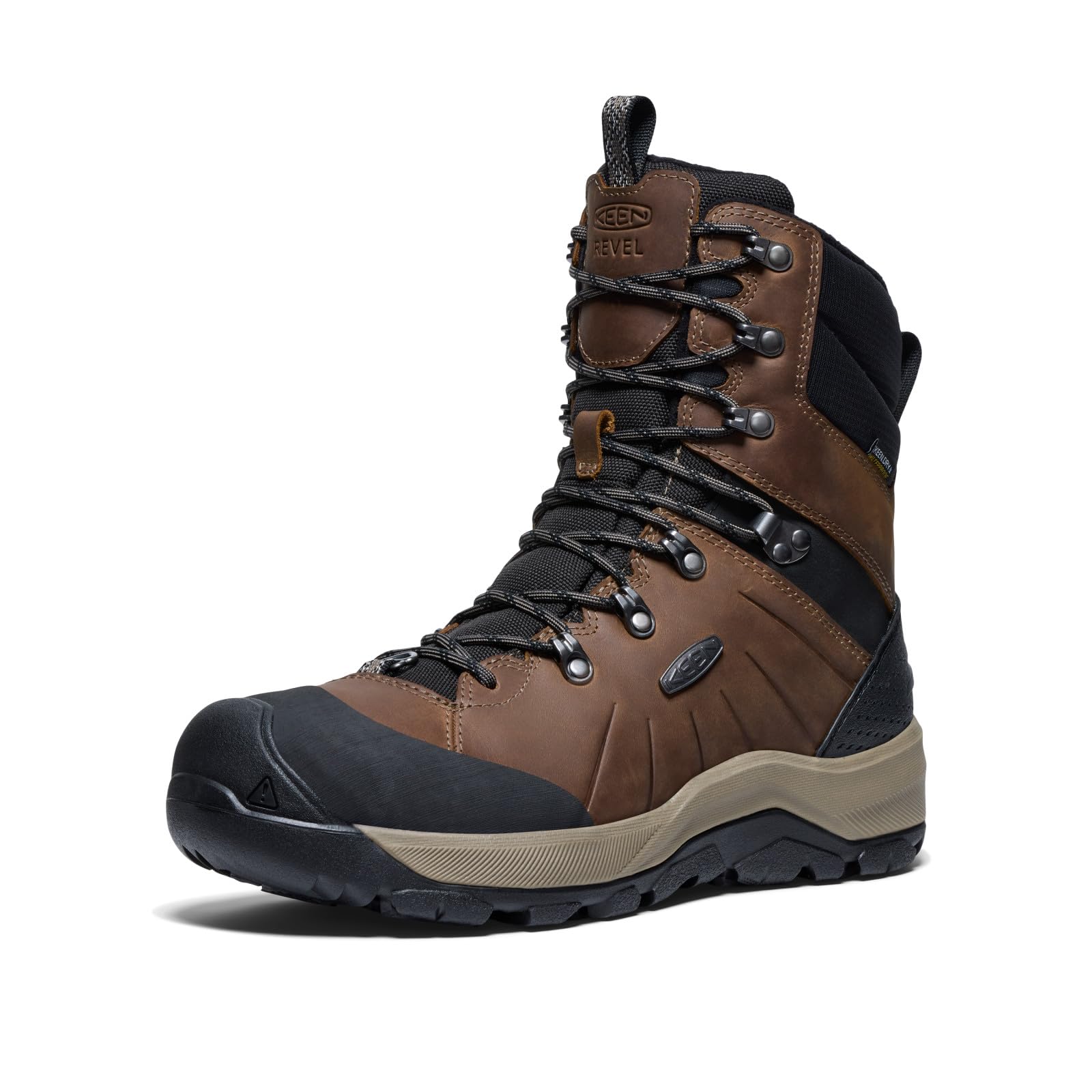
The KEEN Revel IV High Polar is built for the person who refuses to slow down when the temperature drops. With 400g of insulation, this boot keeps feet warm when you’re moving through snow at -2°F, and the stiff platform handles uneven terrain and sharp ice without compromising stability. The high top design seals out snow effectively, and the outsole has serious bite on both ice and packed snow. It runs naturally wide, making it an excellent choice for anyone with broader feet or who wears thick mountaineering socks.
Comfort out of the box is a real strength here — multiple users report no break-in needed, which is rare for a reinforced winter boot. The waterproofing holds up well in streams and deep slush, and applying a treatment like Snowseal extends the membrane life significantly. However, the stiffness means it’s not ideal for prolonged standing or sedentary use like ice fishing; toes can get chilly when you’re not generating heat.
This is a performance-first boot for active Chicago winters. If you’re walking the dog, commuting on foot through unplowed streets, or doing outdoor chores, the Revel IV delivers exceptional warmth and traction. Just know that it favors motion over static warmth.
Why it’s great
- 400g insulation tested at -2°F with warm toes
- Wide toe box fits thick socks and wide feet
- Stiff platform offers excellent stability on uneven ice
Good to know
- Stiff build not ideal for long periods of standing still
- Waterproofing benefits from periodic retreating
3. Helly Hansen V3 Winter Boots
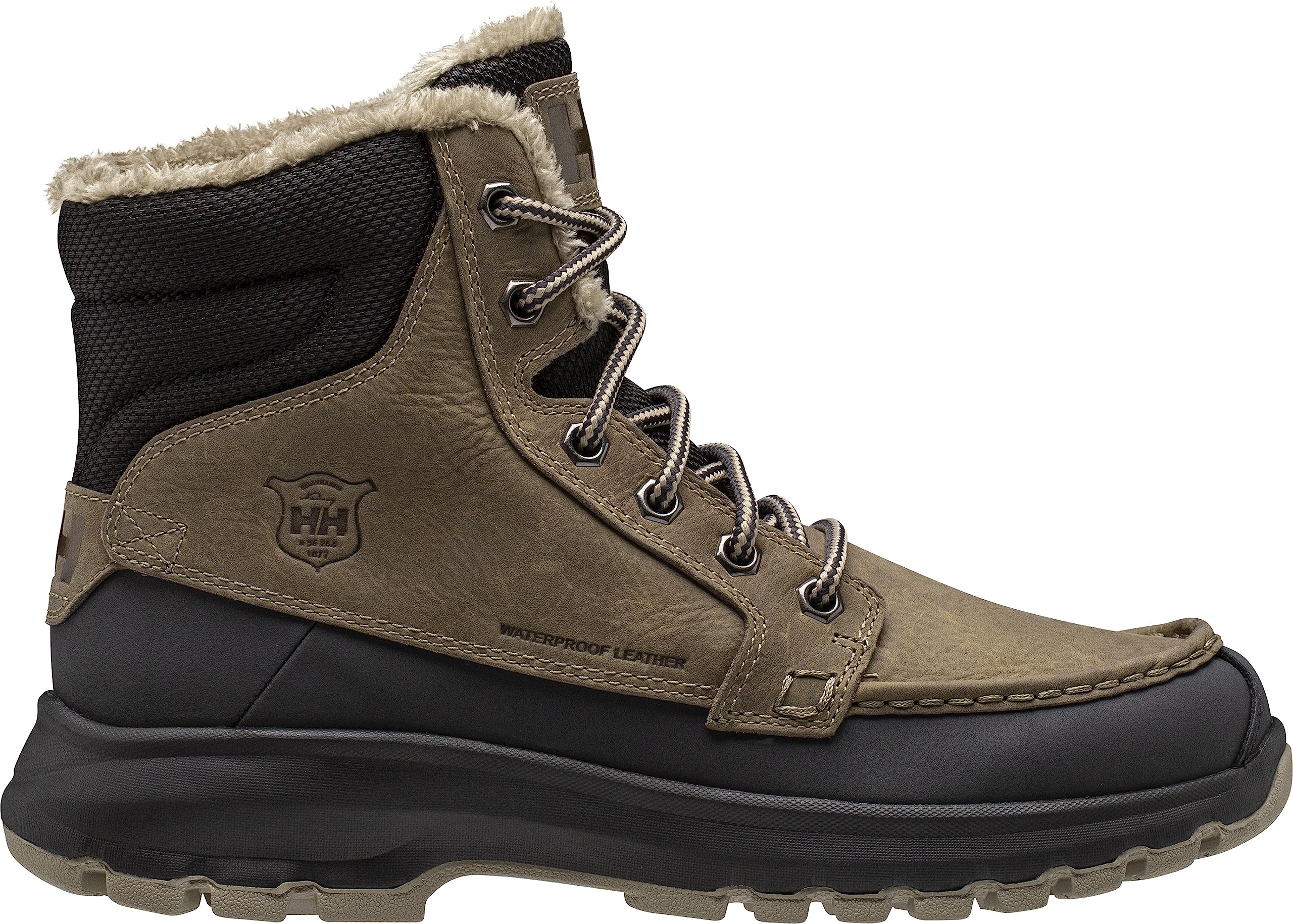
The Helly Hansen V3 is the boot for the commuter who wants warmth and style without the clunk. The waterproof leather upper looks sharp enough for casual office environments, but the rubber outsole and sealed construction mean it handles Chicago’s worst slush without leaking. Users consistently report staying warm down to -11°F, which is more than enough for even the coldest CTA platform waits. The lace-up closure provides a secure, adjustable fit that doesn’t loosen over the course of the day.
Durability is a highlight — after a full year of regular use, owners note the boot keeps its shape, warmth, and waterproofing. Cleaning is easy with a damp cloth. The true-to-size fit means you don’t have to guess when ordering, but if you plan on very thick socks, a half size up gives a touch more room. The sole has a firm feel with good ground feedback, which some prefer over heavily cushioned boots for all-day walking.
This is a premium boot that balances lifestyle looks with genuine winter capability. It’s not a technical mountaineering boot, but for daily commutes, dog walks, and errands in a Chicago winter, it’s a reliable and good-looking choice.
Why it’s great
- Warm to -11°F, verified by users in alpine winters
- Waterproof leather upper looks clean and professional
- Excellent long-term durability after daily wear
Good to know
- Firm sole — not a plush, pillowy feel
- Leather requires occasional care to maintain waterproofing
4. Columbia Women’s Red Hills Omni-Heat Snow Boots
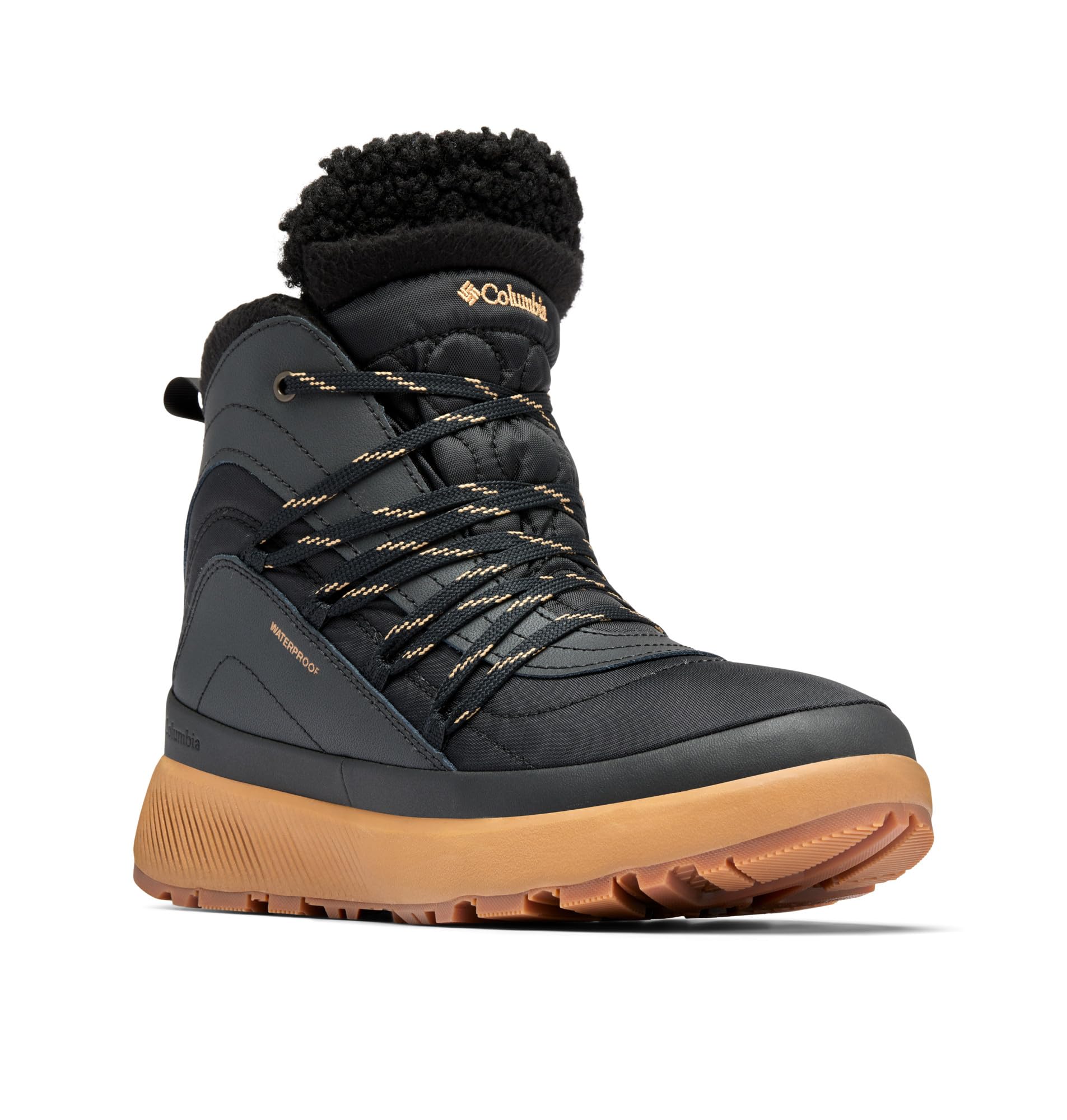
The Columbia Red Hills Omni-Heat boot punches far above its price tier. The Omni-Heat reflective lining actively bounces your body heat back, keeping feet warm without the bulk of heavier insulation. For Chicago’s typical 20-30°F range, it’s a perfect daily driver — warm enough for shoveling snow and walking the dog, but breathable enough that you’re not sweating on the train. The waterproof construction has held up against thorough slush testing, and the outsole provides great traction on both wet ground and packed snow.
Comfort is a standout feature. Users report excellent arch support and a buoyant heel that even helps with plantar fasciitis. The boot is lightweight, feeling more like an insulated hightop sneaker than a bulky snow boot. Sizing can be tricky — many recommend going up a full size to accommodate thick socks and a wider toe area. The ankle is on the slim side, so those with wider calves may find the laces a bit short.
This boot is a smart mid-range option for anyone who needs one boot for varied winter activities. It’s stylish enough for errands, capable enough for snow, and comfortable enough for multi-mile walks. The value-to-performance ratio here is excellent.
Why it’s great
- Omni-Heat reflective lining provides efficient warmth without bulk
- Lightweight feel — like an insulated sneaker
- Excellent arch support, helpful for plantar fasciitis
Good to know
- Sizing runs small — order a full size up
- Ankle fit is slim; laces may be short for wider calves
5. THE NORTH FACE Women’s Chilkat V 400 Waterproof Snow Boot

The North Face Chilkat V 400 packs serious warmth into a surprisingly light package. With 400g of Heatseeker insulation, it’s rated for deep cold, and users confirm warm feet during extended periods in snow. The outsole provides reliable grip on wet pavement and packed snow, though it’s not a true ice-climbing sole. The boot runs narrow initially, so sizing up a half to full size is the standard move — this also leaves room for thick wool socks without compressing the insulation.
Durability is strong after repeated wear. The synthetic upper and rubber shell resist the salt and sand of Chicago sidewalks well. However, the waterproof membrane is not designed for deep submersion — avoid standing in deep puddles or post-holing into slush holes. For the typical use case of walking on cleared sidewalks and through light snow, it’s more than sufficient. The boot is also notably lightweight, making it a great travel boot for winter trips.
This is a top-tier option for anyone who prioritizes warmth without the weight penalty. The sizing quirk is the main barrier — once you get the right size, it’s a comfortable, capable winter boot that holds its own in Chicago’s cold.
Why it’s great
- Lightweight despite 400g of insulation
- Great for wide feet once sized up
- Reliable grip on wet and packed snow
Good to know
- Runs narrow — size up at least a half size
- Not fully waterproof for deep puddle submersion
6. MUCK Women’s Arctic Ice Tall Boot + Vibram Arctic Grip A.T.
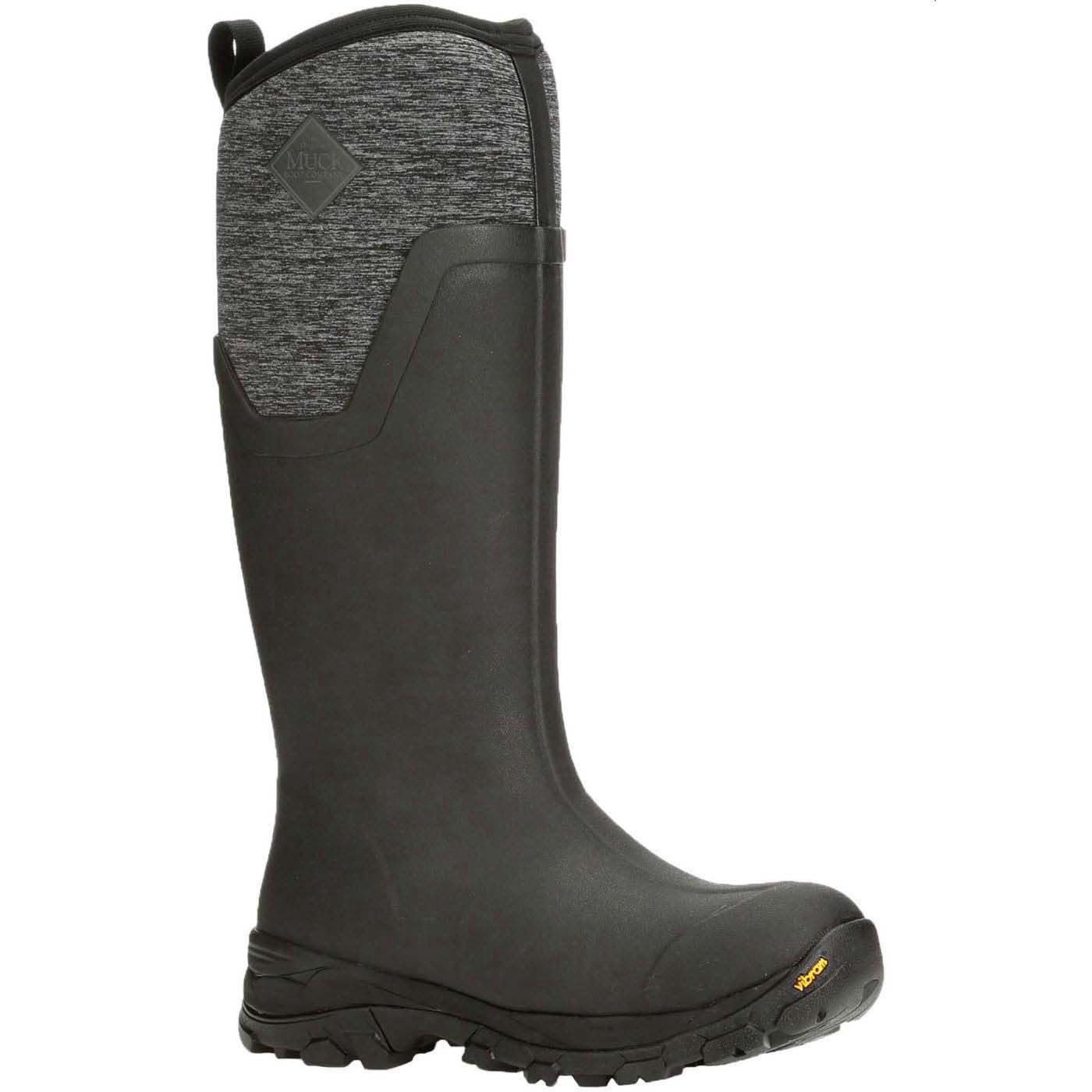
The MUCK Arctic Ice Tall is the ultimate weapon against Chicago’s most hazardous surface: sheet ice. The Vibram Arctic Grip outsole is a class-leading compound that retains grip on wet ice where standard rubber slides. Combine that with an 8mm neoprene bootie and a 17-inch shaft, and you have a boot that keeps your feet warm and dry through the deepest slush and most treacherous intersections. Users report reliable warmth to -30°F with wool socks, making this one of the warmest options in the lineup.
The pull-on design is convenient but hard to remove, and the boot is noticeably heavy — not ideal for long-distance walking or driving. The shaft is also tight around the calves, so women with larger calves should check measurements carefully. The rubber insole is firm, but the boot offers good support once broken in. The fleece embellishment adds a touch of style, but the focus here is squarely on function.
This is a specialized boot for the most brutal conditions. If your winter routine involves standing on ice, working outdoors, or facing the worst of a lake-effect snow event, the MUCK Arctic Ice Tall is the safe choice. For casual commuters, the weight and bulk may be overkill.
Why it’s great
- Vibram Arctic Grip outsole provides best-in-class ice traction
- Warm to -30°F with proper sock layering
- 17-inch shaft offers complete waterproof protection
Good to know
- Heavy and difficult to remove
- Calves may feel restrictive — check shaft circumference
7. Columbia Men’s Gunnison II Omni-Heat Snow Boots

The Columbia Gunnison II is the best entry-level snow boot that doesn’t feel cheap. The Omni-Heat reflective lining works effectively to retain warmth in the 20-30°F range, though standing still in deeper cold does let the cold seep in. The waterproof construction has passed real-world tests — standing in ankle-deep water without leakage. It’s also available in extended sizes up to 17 and 18, a rarity in this category that makes it a lifesaver for big-footed Chicagoans.
Comfort is good out of the box with decent arch support, though the fit runs slightly narrow. Wide sizes fit normal-width feet well. The boot is lightweight and easy to walk in, with good ground feel. The outsole pattern is competent on snow but less reliable on sheet ice. For the price, it’s hard to beat the Gunnison II for mild-cold days, light snow, and dry conditions.
For a budget-friendly boot, the Gunnison II punches well above its weight. It’s ideal for short commutes, errands, and moderate winter weather. If you face extreme sub-zero temps or need all-day ice grip, you’ll want to step up. But for the vast majority of Chicago winter days, this boot does the job.
Why it’s great
- Excellent value for the insulation and waterproofing provided
- Available in large sizes up to 18
- Lightweight and comfortable for everyday wear
Good to know
- Warmth drops when standing still below 25°F
- Outsole is less effective on sheet ice
8. Columbia Men’s Expeditionist Shield
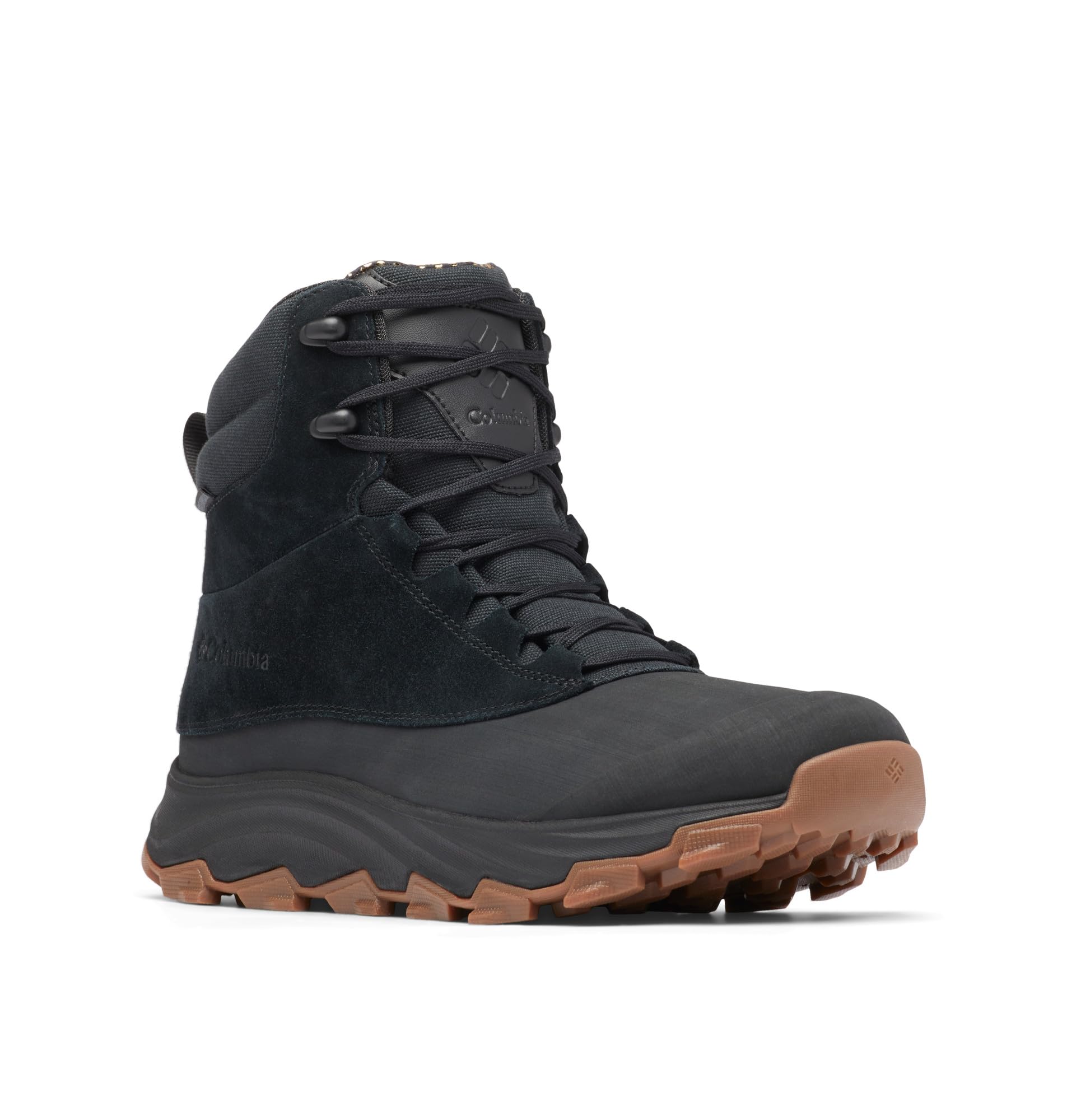
The Columbia Expeditionist Shield is a lightweight winter hiking boot that doubles as a capable city boot. It uses Omni-Shield waterproofing, which means it handles rain, snow, and slush well but is not designed for prolonged immersion. Users praise its warmth down to 10°F and how dry feet stay during active use. The outsole has an aggressive tread that bites into snow, but it also traps snow and salt between the lugs, requiring occasional cleaning.
Sizing is a point of caution — the boot runs a half size small, so ordering up is recommended. The insole is thin and will likely need aftermarket replacement for all-day comfort. The boot is also very lightweight, making it an excellent choice for those who walk or bike commute and need something nimble. The styling is clean, though the gold trim at the collar looks juvenile to some and may scratch off over time.
This is a solid mid-range boot for active daily use. It’s not a deep freezer boot, but for Chicago’s milder winter days and active commutes, the Expeditionist Shield offers great comfort, decent water resistance, and a light feel on the feet.
Why it’s great
- Lightweight with good warmth for active use
- Durable construction and comfortable after break-in
- Sturdy soles with aggressive snow traction
Good to know
- Runs a half size small — size up
- Thin insole may need replacement for all-day comfort
9. Baffin Men’s Crossfire Winter Boots
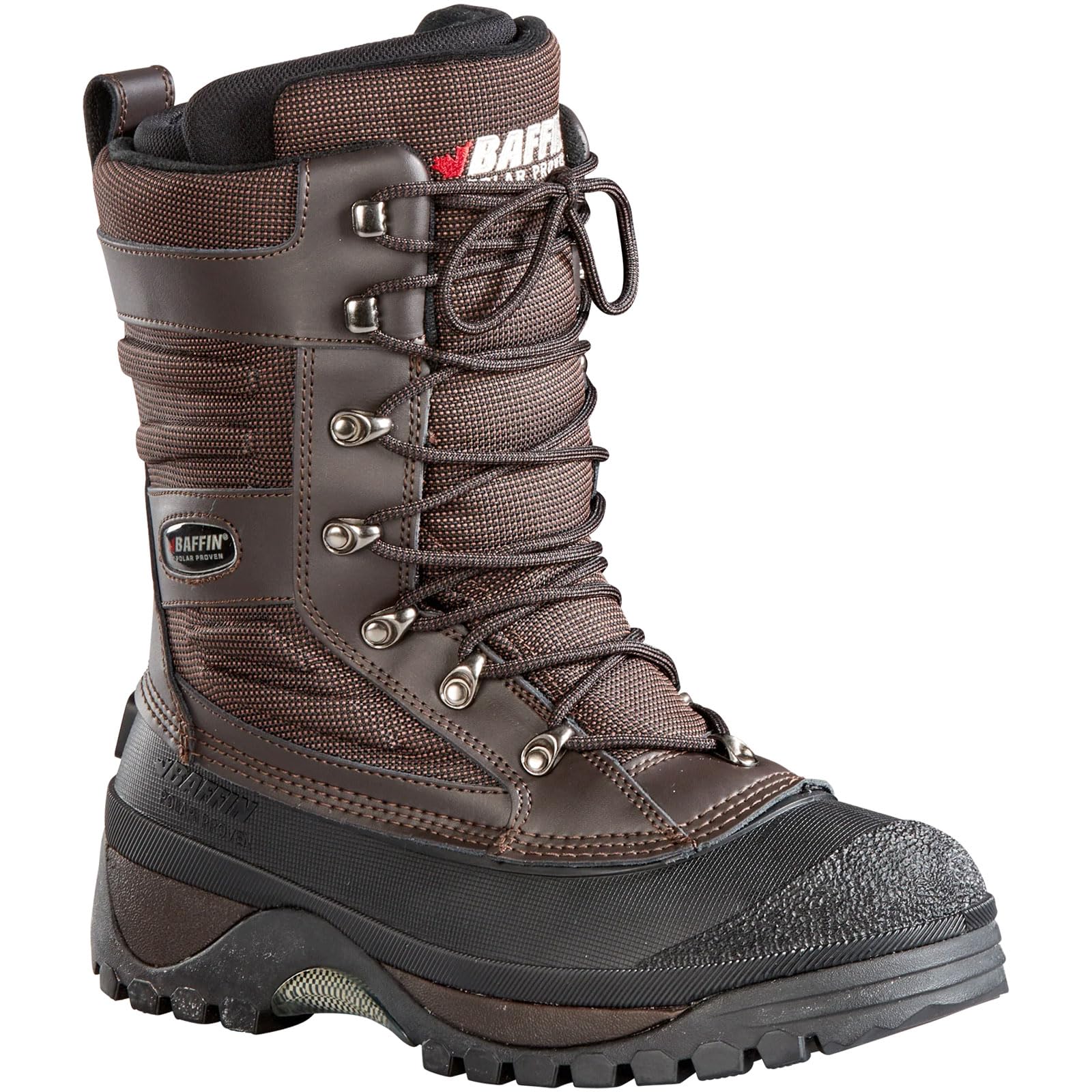
The Baffin Crossfire is built for the extreme — it’s the boot you grab when the polar vortex descends and you need to be outside for extended periods. Users with neuropathy report it keeps feet warm and cushioned during hours in slushy snow. The multi-layer insulation traps heat effectively, and the tall mid-calf shaft prevents snow ingress. Build quality is robust, with owners reporting 5 years of rough service before replacement.
However, this boot has a clear trade-off: it’s heavy and not designed for walking long distances. The stiffness and weight cause ankle rub on longer treks, and the deep snow resistance comes at the cost of agility. It runs large — a size 12 fits an 11.5 foot perfectly, so sizing down may be necessary. The lace hooks can catch each other during wear, a minor annoyance. Note, too, that it’s made in China despite marketing that can be misleading about its origin.
This is a niche tool for extreme conditions. If you need a boot for shoveling, standing at an outdoor event, or walking a short distance in brutal cold, the Crossfire delivers unmatched warmth. For daily commutes and multi-mile walks, look to a lighter boot in this guide.
Why it’s great
- Exceptional warmth, ideal for neuropathy and poor circulation
- Very durable — owners report 5+ years of heavy use
- Mid-calf shaft keeps deep snow out
Good to know
- Heavy and not suited for long-distance walking
- Runs large — try a half to full size down
FAQ
What insulation weight do I need for Chicago winter?
How do I keep my boots dry through Chicago slush?
Should I size up for thick winter socks?
What is the best sole for ice in Chicago?
Final Thoughts: The Verdict
For most users, the boots for chicago winter winner is the SOREL Tivoli V Tall because it perfectly balances warmth, waterproofing, traction, and style in a durable package that lasts. If you want extreme ice grip for treacherous conditions, grab the MUCK Arctic Ice Tall. And for a lightweight, active daily driver that won’t break the bank, nothing beats the Columbia Red Hills Omni-Heat.