
Our readers keep the lights on and the weekend projects moving. As an Amazon Associate, I earn from qualifying purchases.
Blue jays are not dainty seed-pickers. These bold, intelligent birds use their strong bills to crack open whole peanuts, cache acorns, and defend a feeder with authority. The right food for them goes beyond generic mixed seed — it prioritizes high-fat, high-protein ingredients like peanuts, suet, and sunflower hearts that match their natural foraging instincts and energetic metabolism.
I’m Rikta — the co-founder and writer behind FitlyFast. I’ve spent countless hours analyzing nutritional profiles, customer feedback, and ingredient lists across dozens of wild bird food formulations to isolate the blends that truly deliver for blue jays without attracting excessive waste or unwanted pests.
This guide focuses on pure ingredients, smart feeder strategies, and proven blends that appeal to a jay’s palate while keeping your yard clean. If you want to attract these striking birds consistently, you need to know the best bird food for blue jays on the market right now.
How To Choose The Best Bird Food For Blue Jays
Blue jays have distinct nutritional and behavioral preferences. A bag of low-cost mixed seed filled with red milo and cracked corn might keep sparrows happy, but jays will sort through it and fly away disappointed. The right choice revolves around three core factors: ingredient quality, protein-fat ratio, and feeder compatibility.
Prioritize High-Fat, High-Protein Ingredients
Blue jays are omnivorous and require a diet rich in fats and proteins, especially during colder months and nesting season. Whole peanuts (shelled or in-shell), sunflower hearts, and suet cakes deliver the concentrated energy jays need. Blends that list these ingredients first on the label — not millet, milo, or cracked corn — will hold their attention.
Consider the Mess Factor
Jays are messy eaters. They often grab a peanut, fly to a branch, crack it open, and drop shell fragments. A “no mess” or “no grow” blend, where seeds have been hulled or heat-treated to prevent germination, keeps your lawn clean and reduces weed growth under the feeder. Shelled peanuts eliminate shell debris entirely.
Match the Food to the Feeder
Whole peanuts in shell work best in wreath feeders or platform feeders that allow jays to perch and work. Shelled peanuts and sunflower hearts can be offered in hopper or tube feeders. Suet requires a specialized suet cage. Choosing the right delivery method ensures the food stays accessible and minimizes dominance by squirrels.
Quick Comparison
On smaller screens, swipe sideways to see the full table.
| Model | Category | Best For | Key Spec | Amazon |
|---|---|---|---|---|
| C&S Peanut Butter No Melt Suet | Suet Dough | High-energy cold weather feeding | No melt up to 100°F | Amazon |
| Trailmark Naturals Shelled Peanuts | Shelled Peanuts | Pure protein treat for jays & squirrels | 11 lb bulk bag | Amazon |
| Kaytee No Mess Blueberry | Seed & Suet Blend | Low-mess balcony or patio feeding | No shells, 100% edible | Amazon |
| Happy Wings Shelled Peanuts | Shelled Peanuts | High-quality clean seed with no grow | Heat-treated, no germination | Amazon |
| Pennington Ultra Double Nut | Nut & Fruit Blend | Vitamin-enriched variety for year-round | Bird Kote vitamin coating | Amazon |
| Cool Birds Classic Blend | Mixed Seed | Attracting a wide songbird variety | 10 lb multi-ingredient mix | Amazon |
| Songbird Essentials Peanut Wreath | Feeder | Interactive feeding & squirrel diversion | Holds whole in-shell peanuts | Amazon |
In‑Depth Reviews
1. C&S Peanut Butter Delight No Melt Suet Dough
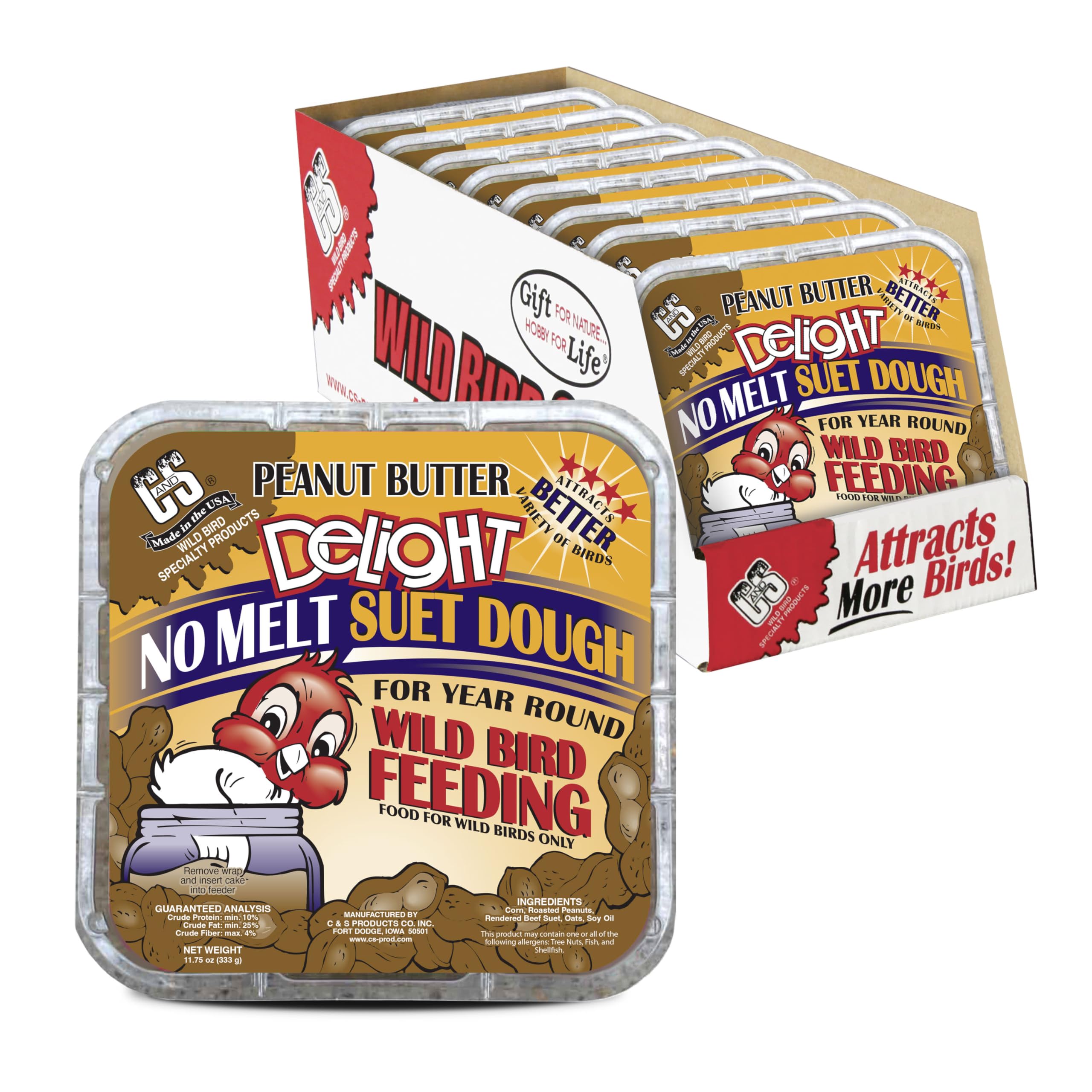
This is a premium suet dough that blue jays actively seek out. The base ingredient is roasted peanuts, which delivers a dense protein and fat payload that jays need during migration and cold snaps. The soft dough texture is easy for jays to cling to and peck at, unlike hard tallow blocks that can be difficult to break apart.
The no-melt formulation is not marketing hype — multiple reviewers confirm it holds its shape in direct sun and temperatures up to 92°F without dripping. This makes it a viable choice for warm-weather feeding without the sticky cleanup associated with traditional suet. The 8-pack provides a steady supply, and users report woodpeckers, titmice, and jays arriving within hours of hanging it.
One reviewer noted the suet lacks the greasy lard texture of cheaper alternatives, and no melting issues occurred even during Florida summer storms. The product is made in the USA by a company with decades of bird-feeding expertise, which adds to the reliability.
Why it’s great
- Roasted peanut base delivers peak energy density
- Stays solid up to 100°F — zero mess in heat
- Attracts jays, woodpeckers, and nuthatches quickly
Good to know
- Requires a suet cage feeder (sold separately)
- Soft texture may be consumed very fast by multiple birds
2. Trailmark Naturals Raw Shelled Peanuts
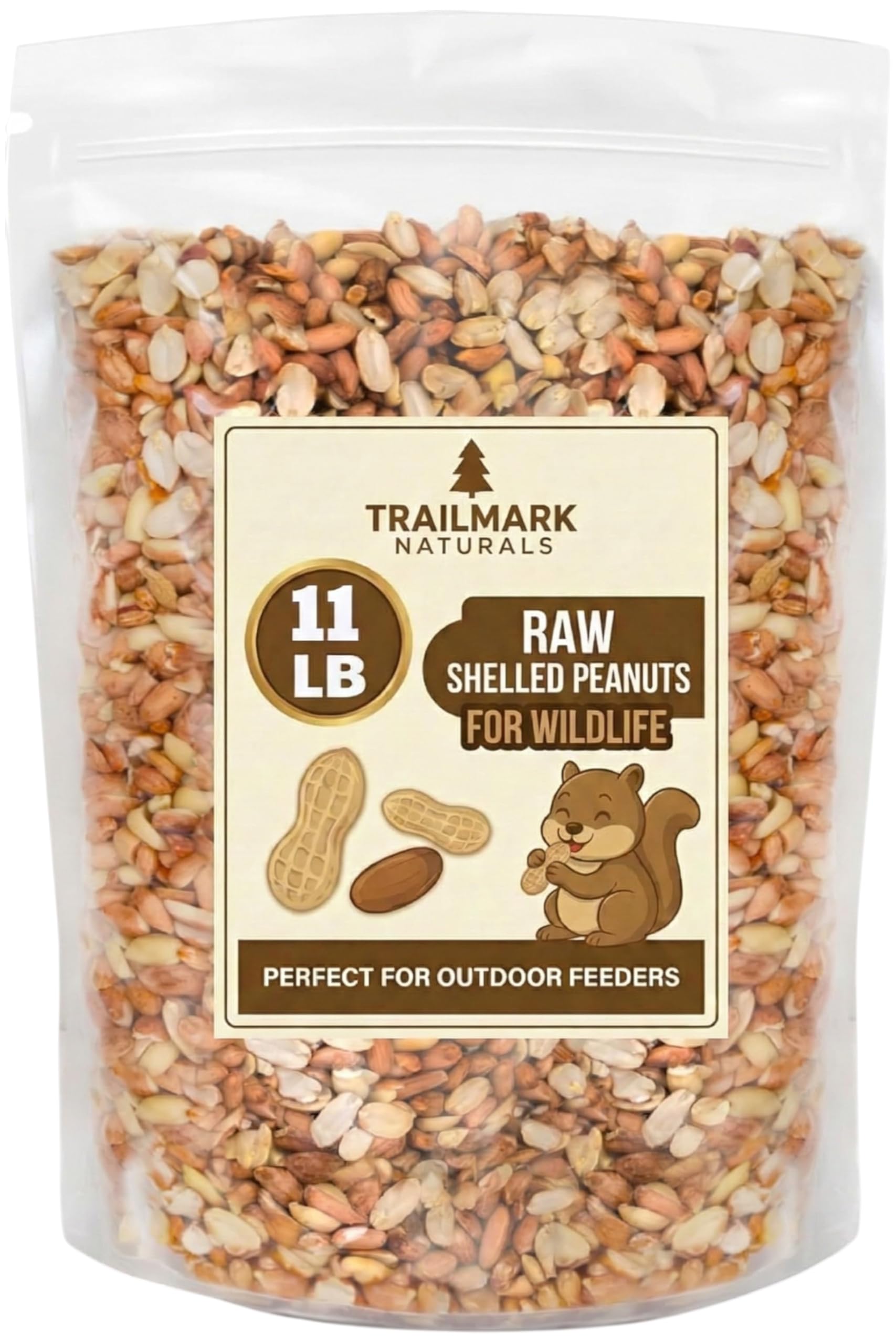
If you want to feed blue jays their single most preferred food — shelled peanuts — this bag from Trailmark Naturals is a top-tier choice. The peanuts are raw, unsalted, and grown in the USA. Each nut retains its papery red skin, which provides additional fiber and antioxidants that wild birds naturally consume.
The 11-pound bag is generous enough to feed a gang of jays and squirrels for several weeks, depending on feeder traffic. Multiple reviewers commented on the plump size of the peanuts — not tiny fragments or broken scraps — which signals consistent quality control. The bag is resealable, keeping the nuts fresh between refills.
Customers using this product report that blue jays, woodpeckers, and even ground-feeding birds like doves and rabbits visit the feeding area regularly. The shelled format means zero shell litter under the feeder, which simplifies cleanup and prevents the sprouting issue common with in-shell peanuts.
Why it’s great
- Pure ingredient list — only raw, unsalted peanuts
- Large 11 lb bag offers excellent overall value
- Plump, high-quality nuts with fresh smell
Good to know
- May encourage squirrel visits if not managed
- Bag is heavy-duty but not vacuum-sealed
3. Kaytee Seed & Suet No Mess Blend Blueberry Flavor

This blend is engineered for exactly the problem apartment dwellers and tidy homeowners face: birdseed that leaves unsightly shells and sprouts weeds under the feeder. The Kaytee No Mess formula mixes seeds and suet nuggets that are 100% edible, meaning nothing is left behind. The blueberry flavor adds an aromatic twist that seems to attract blue jays, cardinals, and finches alike.
Customers living on balconies reported that the lack of shell waste made the difference between being able to feed birds and not. The suet nuggets provide a fat boost that jays appreciate. The blend works in tube, hopper, and platform feeders, giving flexibility depending on your setup.
One review noted a dusty quality to the blend, with some filler corn present. This is a trade-off for the no-mess processing. If ultra-clean feeding is your priority and you are willing to accept a bit of dust at the bottom of the bag, this blend is a strong contender.
Why it’s great
- 100% edible — absolutely no shell waste on lawn
- Blueberry-scented suet nuggets attract a wide variety
- Works well in multiple feeder types
Good to know
- Some dust and filler corn present in the mix
- Bag size is smaller than bulk options
4. Happy Wings Shelled Peanuts Wild Bird Food
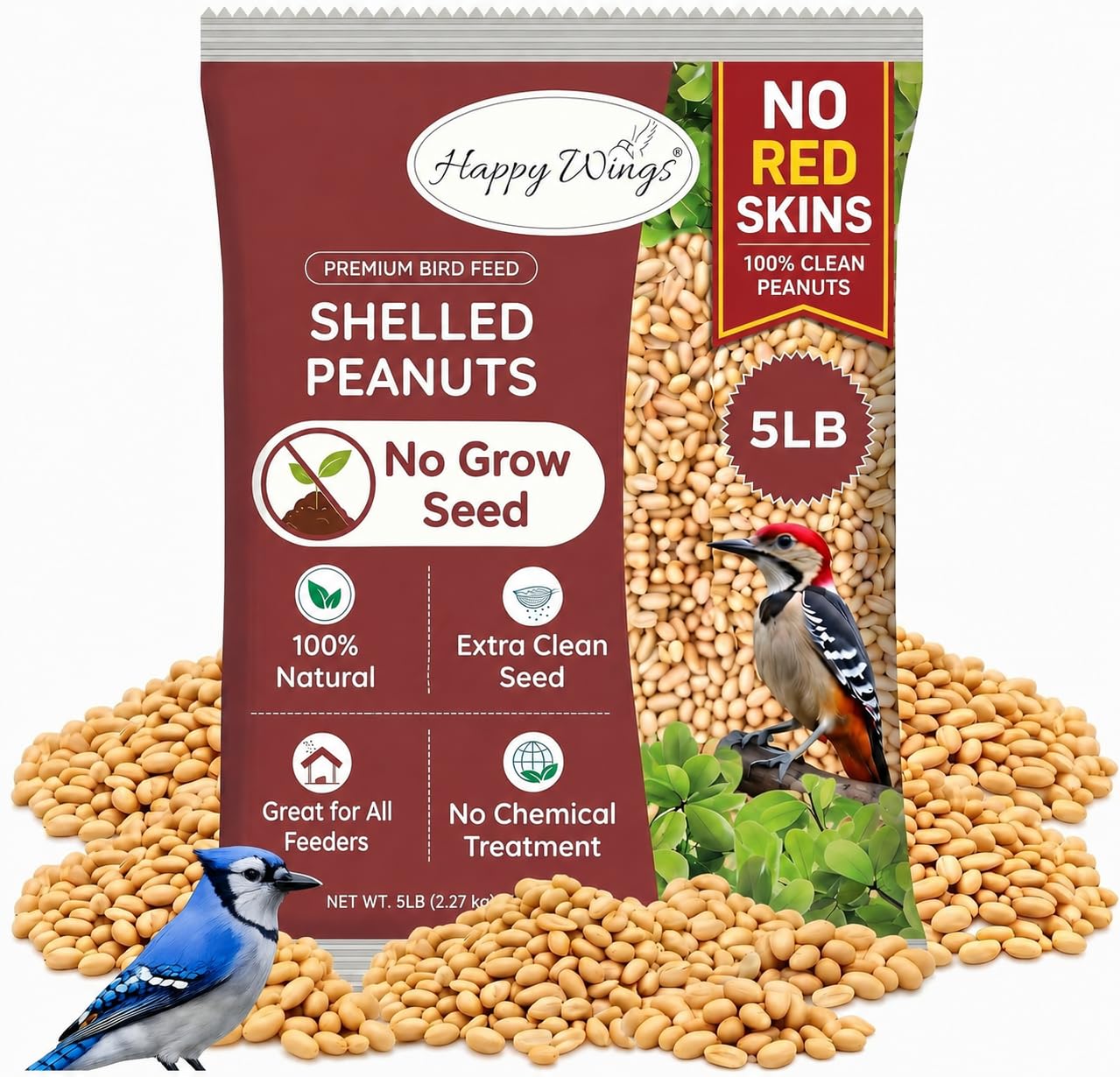
Happy Wings offers shelled peanuts that are heat-treated to prevent germination — a “no grow” feature that stops stray seeds from sprouting under your feeder. The peanuts are human-grade, meaning they meet the same quality standards as food intended for human consumption. This ensures no rancid nuts or mold contamination.
Customers specifically noted that the peanuts are plump and free of the messy red skins that sometimes clog feeders or create debris. The vacuum-sealed bag maintains freshness in transit. One reviewer stated that these peanuts are superior to a major pet store brand, which sold significantly smaller nuts with more skins.
Blue jays love shelled peanuts, and this product removes the dormancy risk that can lead to unwanted volunteer plants. The 5-pound bag is a test-friendly size for those new to offering peanuts. Just note the bag is not resealable, so transferring to an airtight container after opening is recommended.
Why it’s great
- Heat-treated to prevent germination under feeder
- Human-grade quality control with no rancid nuts
- Plump, clean peanuts with minimal skins
Good to know
- Bag is not resealable — transfer needed
- 5 lb bag may refill frequently if birds are abundant
5. Pennington Ultra Double Nut, Nut & Fruit Blend
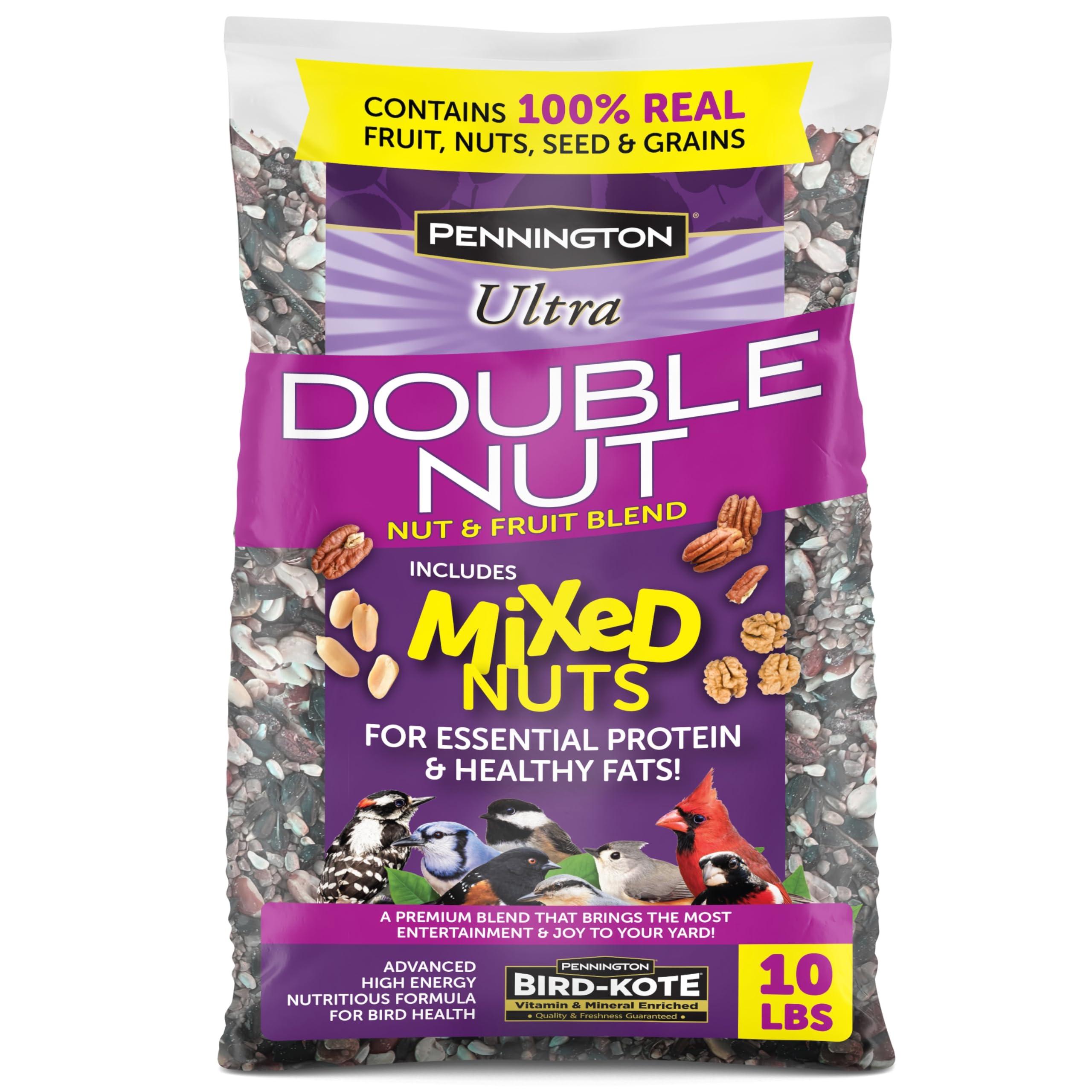
Pennington’s Double Nut blend is a vitamin-enriched mix that combines mixed nuts, real dried fruits, seeds, and grains. The standout feature is Bird Kote technology — a coating of supplemental vitamins and minerals applied to the seeds, which supports overall bird health beyond basic energy needs. Blue jays relish the nut content.
This 10-pound bag is designed for year-round feeding and is compatible with gazebo, hopper, platform, and tube feeders. Customers report that the blend attracts cardinals, chickadees, nuthatches, and woodpeckers in addition to jays. The presence of dried fruit adds a sugar energy source that other blends lack.
One concern raised by buyers is the lack of transparency about added sugars in the dried fruit component. If you prefer to control sugar intake strictly, you may want to supplement this mix with plain shelled peanuts. However, as a balanced, ready-to-use blend, it covers multiple nutritional bases.
Why it’s great
- Vitamin-enriched coating supports immune health
- Mixed nuts and fruit attract a diverse bird population
- Compatible with most feeder types
Good to know
- Dried fruit may contain added sugar
- Not a pure jay-specific blend — includes grains
6. Cool Birds All Birds Wild Bird Seed Classic Blend
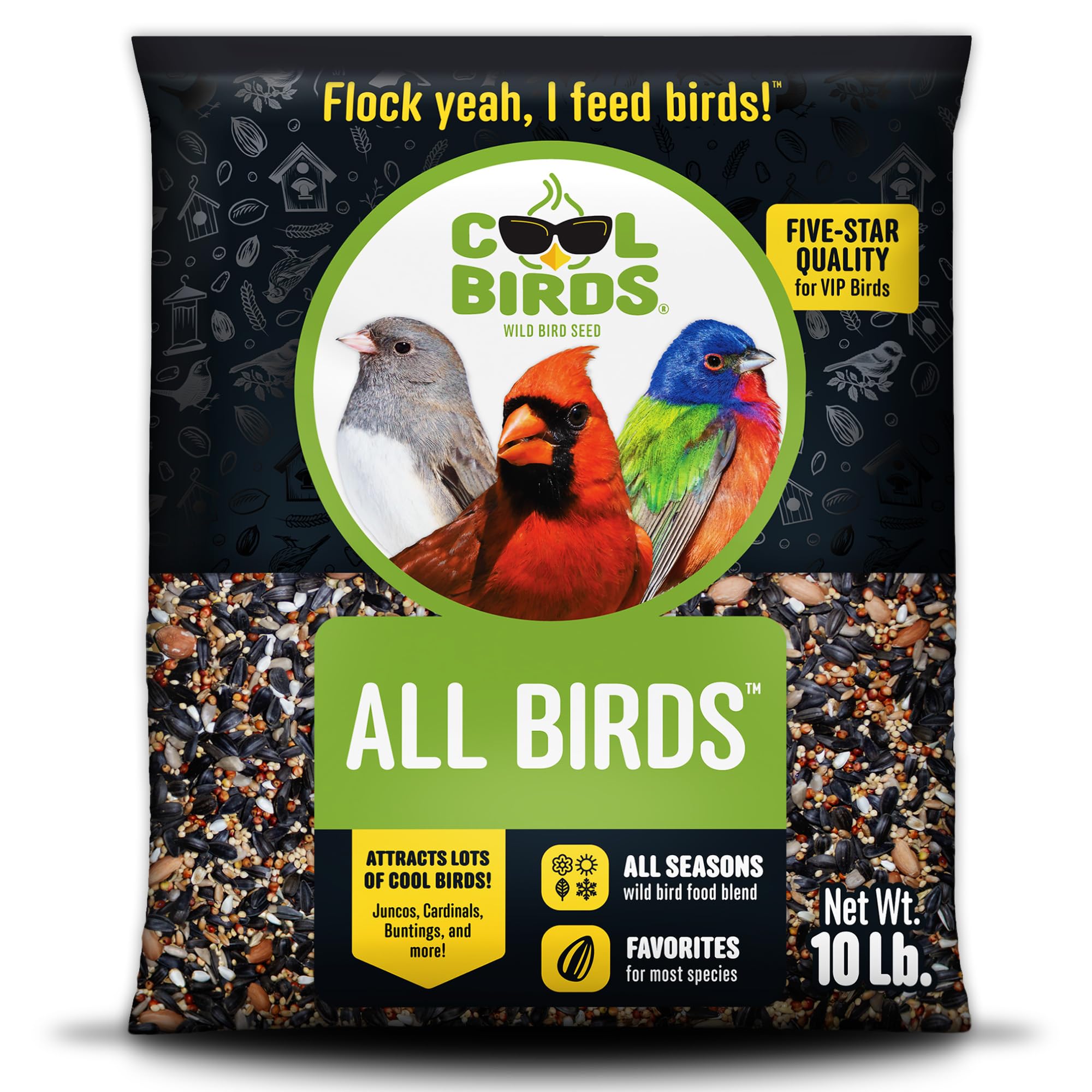
Cool Birds offers a classic blend that includes black oil sunflower, white millet, safflower, peanuts, and sunflower hearts. This combination is a strong choice if you want to attract blue jays while also feeding cardinals, sparrows, and doves. The inclusion of both peanuts and sunflower hearts gives jays the high-fat ingredients they prioritize.
Customers praise the low amount of filler seeds — no red milo or heavy cracked corn that birds typically ignore. The blend smells fresh and is suitable for tray, tube, hopper, and platform feeders. Multiple users noted that the black oil sunflower kernels were the most popular component in their feeders.
One trade-off is that this is not a no-mess blend. Shells will accumulate under the feeder. If you have a lawn you want to keep pristine, you may need to rake or use a catch tray. But for pure bird-attracting power, this blend punches above its weight class.
Why it’s great
- Peanuts and sunflower hearts for jay-preferred fat
- Very low filler content — birds eat almost everything
- Fresh scent and good overall quality
Good to know
- Not a no-mess blend — shells will drop
- Attracts a wide range — may bring more sparrows
7. Songbird Essentials Whole Peanut Red Wreath Feeder
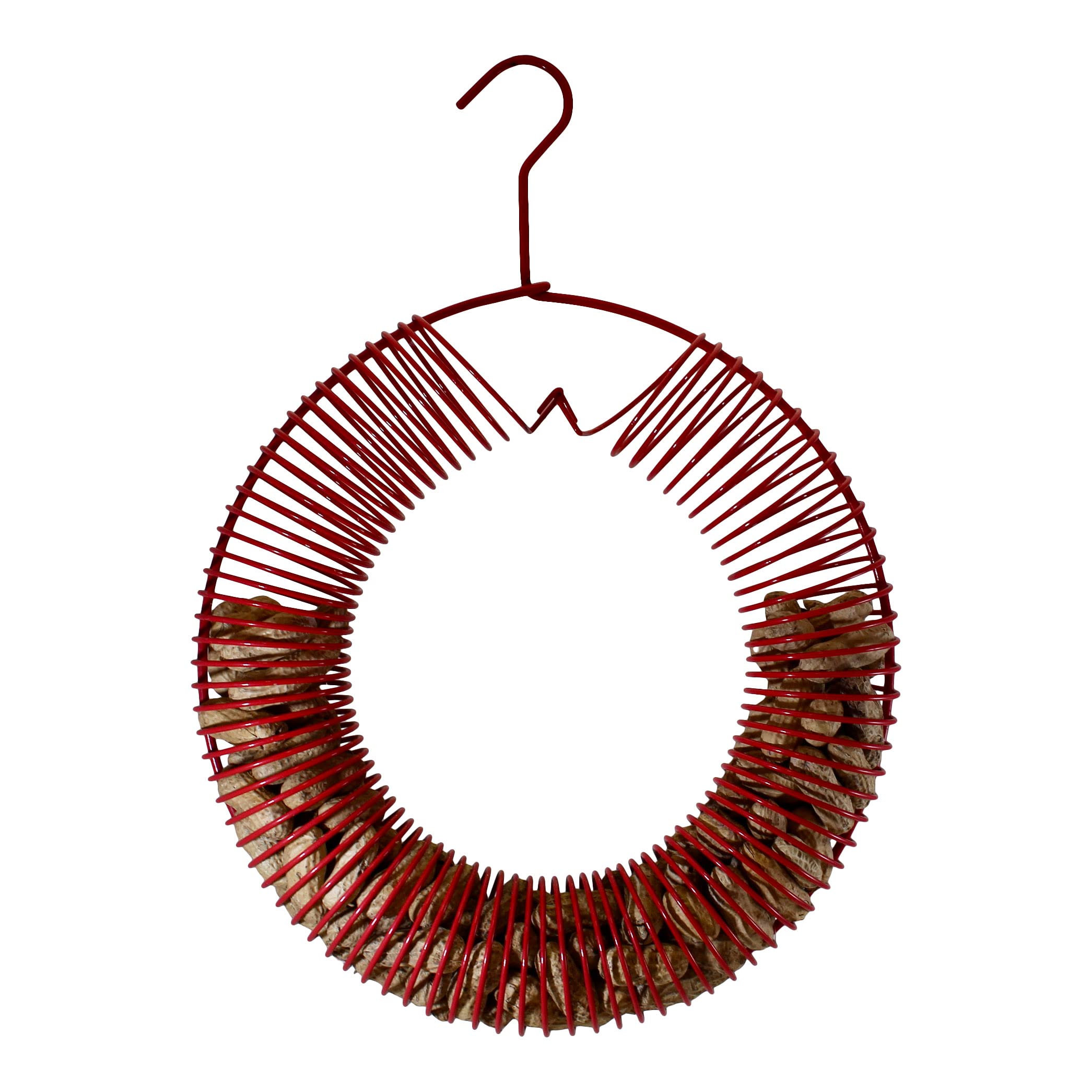
This is not a food product but a feeder specifically designed for whole in-shell peanuts — the single most effective food for attracting blue jays. The wreath design holds peanuts securely in a spiral wire, requiring birds and squirrels to work to extract them. This creates an entertaining show and keeps animals engaged longer at the feeder.
Blue jays initially may be cautious of new feeder shapes, but multiple customers reported that jays adapted within two to three weeks and now use the feeder daily. The bright red color helps birds locate the feeder quickly. The included metal construction is sturdy, though some units arrived with slightly bent coils that required manual adjustment.
This feeder serves a dual purpose: it provides jays with their preferred food format while acting as a squirrel diversion. Giving squirrels their own easy access to peanuts in this feeder reduces their harassment of your other finch or suet feeders. Just make sure to use unsalted peanuts in shell to keep the wildlife healthy.
Why it’s great
- Designed specifically for whole in-shell peanuts — jay favorite
- Keeps squirrels occupied and away from other feeders
- Sturdy metal build with bright red visual cue
Good to know
- Some units arrive with bent wires
- Jays may need a week or two to learn the feeder
FAQ
What is the single best food to attract blue jays quickly?
Should I feed blue jays shelled or in-shell peanuts?
Will bird food for blue jays attract unwanted pests like rats?
Can blue jays eat suet year-round even in hot weather?
Why do blue jays ignore some bird seed blends?
Final Thoughts: The Verdict
For most users, the best bird food for blue jays winner is the Trailmark Naturals Raw Shelled Peanuts because it delivers pure, high-protein nutrition in a large, high-value bag with zero shell waste. If you want a vitamin-enriched variety with nuts and fruit, grab the Pennington Ultra Double Nut Blend. And for a no-mess, clean-yard solution, nothing beats the Kaytee Seed & Suet No Mess Blend.