
Our readers keep the lights on and the weekend projects moving. As an Amazon Associate, I earn from qualifying purchases.
Bird photography demands a specific blend of long reach, rapid-fire autofocus, and forgiving high-ISO performance that consumer cameras rarely deliver straight off the shelf. The wrong body means missed focus on a hovering kingfisher or noisy images of a warbler at dusk.
I’m Rikta — the co-founder and writer behind FitlyFast. I’ve spent countless hours analyzing autofocus systems, burst rates, and sensor readout speeds across hundreds of bird photography camera configurations to separate what truly matters from what only sounds good on paper.
You need a system that freezes fast motion, tracks erratic flight patterns, gives you extra reach through a crop sensor, and resolves feather detail without breaking the bank. Keep reading to find the best bird photography camera for your specific needs.
How To Choose The Best Bird Photography Camera
Selecting the right bird camera means shifting your mindset away from general photography specs and toward the specific behaviors of avian subjects — distance, speed, and low-light activity at dawn and dusk. Prioritize features that directly solve those three constraints.
Autofocus System and Tracking
A contrast-detection-only system will struggle with a bird against a cluttered background of branches and sky. Look for phase-detection autofocus with dedicated animal eye-tracking or bird-specific modes. The number of cross-type sensors matters more than the raw count — they lock onto fast-moving targets in low contrast.
Reach and Sensor Crop Factor
APS-C and Micro Four Thirds sensors multiply your lens focal length by 1.5x or 2x respectively. A 400mm lens on an APS-C body gives an effective reach of 600mm — essential for filling the frame with a small songbird from a respectful distance. Full-frame shooters need much longer, heavier, and more expensive glass to match that reach.
Burst Rate and Buffer Depth
A bird takes off in a fraction of a second. You need at least 8 to 10 frames per second (fps) to capture wing position and head angle. More important than the burst speed is the buffer depth — how many frames the camera can fire before slowing down. A shallow buffer stops the action mid-flight.
Quick Comparison
On smaller screens, swipe sideways to see the full table.
| Model | Category | Best For | Key Spec | Amazon |
|---|---|---|---|---|
| Canon EOS R7 | Mirrorless | Best Overall | 32.5MP APS-C, 30fps, 651 AF points | Amazon |
| Nikon D500 | DSLR | Pro-Grade Action | 20.9MP APS-C, 10fps, 153 AF points | Amazon |
| Sony Alpha 7R V | Mirrorless | Detail & Crop Room | 61MP FF, AI AF, 10fps | Amazon |
| Nikon D850 | DSLR | High-Resolution DSLR | 45.7MP FF, 9fps, 153 AF points | Amazon |
| Canon EOS R5 | Mirrorless | Hybrid Beast | 45MP FF, 20fps, 1053 AF points | Amazon |
| Sony a7 III | Mirrorless | Entry Full Frame | 24.2MP FF, 10fps, 693 AF points | Amazon |
| Panasonic LUMIX S5IIX | Mirrorless | Video & Photo Hybrid | 24.2MP FF, Phase AF, 779 points | Amazon |
| Nikon D7500 | DSLR | Mid-Range DSLR | 20.9MP APS-C, 8fps, 51 AF points | Amazon |
| Canon EOS RP | Mirrorless | Budget Full Frame | 26.2MP FF, 5fps, Phase AF | Amazon |
| FUJIFILM X-T30 III | Mirrorless | Compact APS-C | 26.1MP APS-C, 8fps, 425 AF points | Amazon |
| Nikon COOLPIX P950 | Bridge | All-In-One Zoom | 16MP, 83x optical zoom | Amazon |
| Canon Powershot SX70 | Bridge | Compact Superzoom | 20.3MP, 65x optical zoom | Amazon |
| Leica Q3 | Compact | Street Enthusiast | 60MP FF, 28mm f/1.7, Hybrid AF | Amazon |
In‑Depth Reviews
1. Canon EOS R7

The Canon EOS R7 hits the sweet spot for bird photography because its 32.5-megapixel APS-C sensor gives you a 1.6x crop factor — turning a 100-400mm lens into an effective 160-640mm reach. That extra extension is critical for filling the frame with a distant heron or small finch without carrying massive full-frame glass.
Dual Pixel CMOS AF II covers the entire sensor with 651 zones and includes animal eye tracking that reliably sticks to a bird’s eye even when branches cross the frame. The 30 fps electronic shutter and deep buffer let you spray through a takeoff sequence or feeding burst without the camera slowing down mid-flight.
In-body stabilization rated at up to 8 stops works wonders for handheld shots at dawn and dusk — common birding hours. The body is compact enough for long hikes and the weather sealing handles light rain. Battery life is solid for a mirrorless camera in this class.
Why it’s great
- Excellent animal eye tracking autofocus
- High-speed 30fps burst with generous buffer
- APS-C crop factor maximizes telephoto reach
Good to know
- RF-S lens selection still growing
- Electronic shutter can cause rolling shutter with fast wingbeats
2. Nikon D500

The Nikon D500 remains a benchmark for bird photographers who prefer the optical viewfinder experience. Its 20.9-megapixel APS-C sensor and 1.5x crop factor pair beautifully with Nikon’s F-mount telephoto lenses — the rental and used market for Nikon 200-500mm and 300mm f/4 glass is deep and affordable.
The Multi-CAM 20K 153-point autofocus system, inherited from the D5 flagship, delivers instant subject acquisition and 3D tracking that locks onto birds in flight against cluttered backgrounds. Ten frames per second mechanical shutter with a huge buffer captures entire sequences without stutter.
Low-light performance is exceptional for a DX sensor, staying clean up to ISO 6400 — critical for early morning and late afternoon shoots. The body is rugged and weather-sealed, and the battery life easily outlasts a full day in the field. SnapBridge connectivity is its weakest feature, but the shooting experience is superb.
Why it’s great
- Flagship-level 153-point AF system
- Deep buffer for long burst sequences
- Excellent low-light high-ISO performance
Good to know
- Heavier than mirrorless alternatives
- SnapBridge wireless app is unreliable
3. Sony Alpha 7R V

The 61-megapixel full-frame sensor in the Sony Alpha 7R V is a bird photographer’s secret weapon for post-capture cropping. You can shoot with a 400mm lens, crop down to an effective 800mm field of view, and still retain enough resolution for large prints or detailed online sharing. That flexibility saves thousands on ultra-long glass.
Sony’s latest AI-processing autofocus unit drives Real-time Recognition tracking that detects bird subjects and locks onto the eye with remarkable precision — even when the bird is partially hidden. The 693-point phase detection array covers most of the frame, and the BIONZ XR processor delivers 10 fps with full AF/AE tracking.
8K 24p video capture and impressive in-body stabilization make this a hybrid contender for bird videographers. The articulated screen and improved menu system remove previous Sony frustrations. Battery life is solid for a high-res mirrorless body, though you’ll want spare cells for all-day sessions.
Why it’s great
- 61MP allows aggressive cropping without detail loss
- AI bird-eye AF is exceptionally accurate
- Excellent IBIS for handheld telephoto shots
Good to know
- High-resolution files require fast memory cards
- Full-frame reach disadvantage without long glass
4. Nikon D850

The Nikon D850 remains one of the most versatile DSLRs ever made for bird photography. Its 45.7-megapixel back-illuminated full-frame sensor delivers extraordinary dynamic range and detail — feather textures and subtle iridescence resolve beautifully even in challenging light. The lack of an optical low-pass filter keeps fine detail sharp.
The 153-point autofocus system, inherited from the D5, locks on quickly and tracks accurately. With the optional battery grip, the D850 shoots 9 fps continuous — enough for most flight sequences. Focus shift shooting is useful for capturing static nesting birds with maximum depth of field.
At roughly 2 pounds for the body alone, the D850 is heavier than mirrorless options, and it demands top-tier full-frame glass to reach far subjects. The 1.0x crop factor means you’ll need a 600mm lens where an APS-C user needs 400mm. But for stationary birds, perched raptors, and environmental portraits, the image quality is stunning.
Why it’s great
- Industry-leading 45.7MP dynamic range
- Deep buffer and fast processing
- Tilting touchscreen aids low-angle bird shots
Good to know
- Requires expensive long telephoto lenses
- Heavier than mirrorless competitors
5. Canon EOS R5

The Canon EOS R5 delivers professional-grade bird photography in a mirrorless body that pushes the limits of what’s possible. The 45-megapixel full-frame sensor produces crisp, detailed images, and the DIGIC X processor enables up to 20 fps electronic shutter shooting with full autofocus — ideal for capturing the exact wing beat of a fast bird in flight.
Dual Pixel CMOS AF II with 1,053 AF points covers the entire frame and includes deep-learning-based animal detection that tracks eyes, faces, and bodies. Eye Control AF — which selects focus points by where you look — works well for bird-in-flight scenarios where manual joystick adjustment is too slow. The 5-axis IBIS provides excellent stabilization for handheld telephoto work.
The R5’s 8K video capability makes it a formidable tool for bird videography. The main trade-off is cost — this body sits at a premium tier — and the RF mount currently lacks budget telephoto options. Adapters allow EF telephoto lenses to work without performance loss, which opens up the used lens market considerably.
Why it’s great
- Fast 20fps with reliable animal eye AF
- 45MP gives excellent cropping flexibility
- Rock-solid IBIS for handheld long lens work
Good to know
- Premium price point with limited budget lenses
- Overheating can limit extended 8K recording
6. Sony a7 III

The Sony a7 III proves that a 2018 full-frame body can still deliver excellent bird photography results at a compelling value. Its 24.2-megapixel back-illuminated sensor provides 15 stops of dynamic range and clean high-ISO output up to ISO 12,800 — exactly what you need for shooting birds at dusk under a forest canopy.
The 693-point phase detection AF array with 425 contrast detection points covers 93% of the image area. Real-time Eye AF for animals works well for stationary and slow-moving birds. At 10 fps with continuous autofocus, the a7 III captures flight sequences reliably. The 5-axis in-body stabilization compensates for hand shake with telephoto lenses.
Battery life is exceptional for a mirrorless camera — you’ll get 600 to 700 shots per charge, easily lasting a morning outing. The main limitation for bird photography is the 1.0x crop factor, which forces you toward longer and more expensive glass. Pair it with a 100-400mm lens for a capable birding setup that won’t break the bank.
Why it’s great
- Excellent battery life for full-day shoots
- Reliable animal eye AF for perched birds
- Stellar high-ISO performance
Good to know
- No bird-specific autofocus mode
- Full-frame sensor demands longer, pricier glass
7. Panasonic LUMIX S5IIX
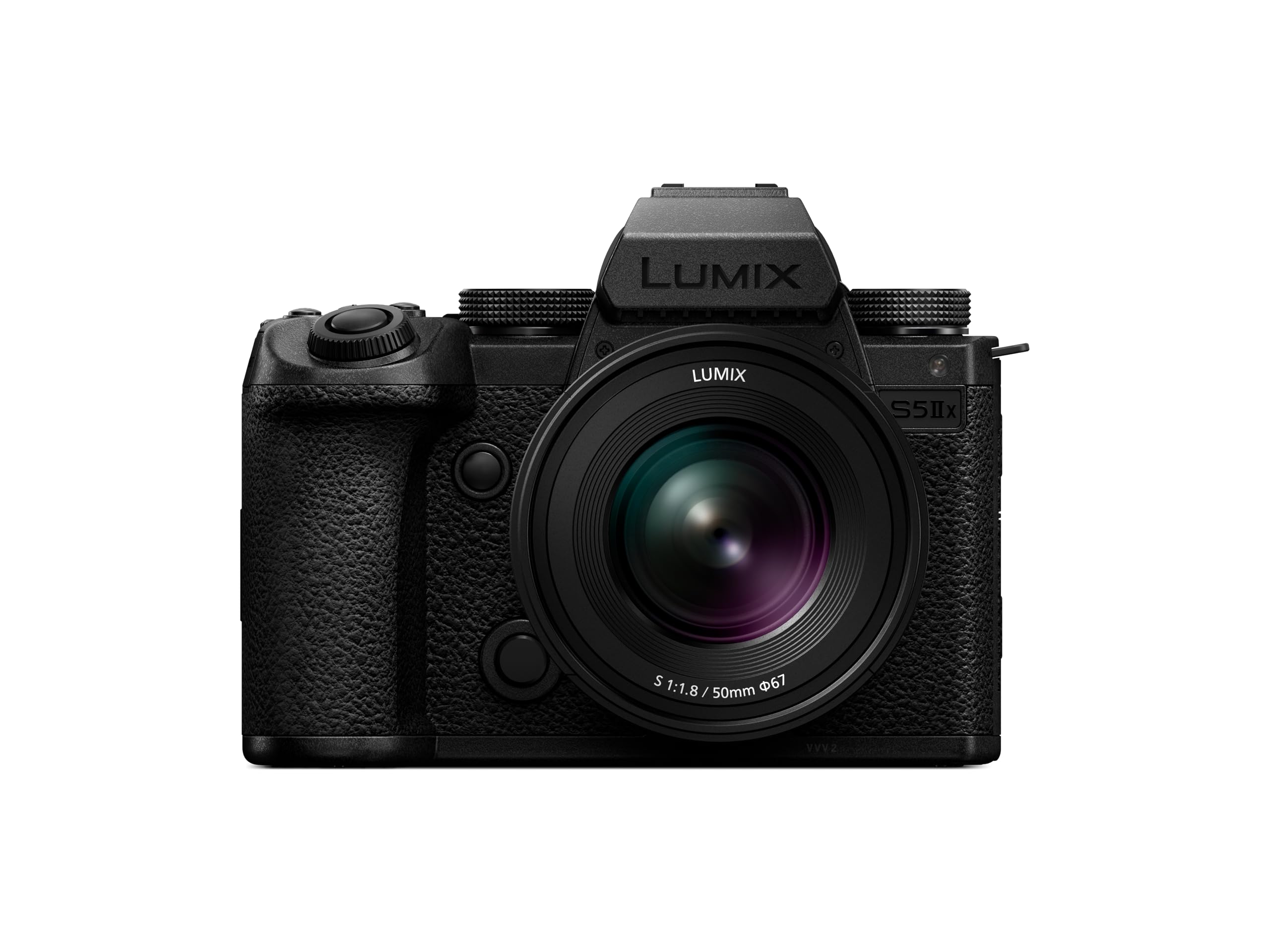
The Panasonic LUMIX S5IIX represents a breakthrough for the L-mount system with its phase-detection hybrid autofocus — a first for Panasonic full-frame cameras. The 24.2-megapixel sensor delivers solid dynamic range, and the Phase Hybrid AF system with 779 points tracks subjects more reliably than Panasonic’s previous contrast-detection-only models.
Active I.S. stabilization compensates aggressively during walking shots, which helps when you’re following a bird along a trail. The unlimited recording capability with active cooling allows for extended bird videography sessions without overheating — a rare feature for a full-frame mirrorless body in this range.
The kit bundle includes a 20-60mm f/3.5-5.6 and a 50mm f/1.8 lens, providing solid starting glass for general shooting. For serious birding you’ll need to invest in L-mount telephoto lenses, which are still limited compared to Canon and Nikon. The S5IIX excels as a hybrid photo-video bird camera for users who want both formats in one system.
Why it’s great
- Phase-detection AF finally reliable for birds
- Unlimited 4K video with active cooling
- Excellent value with dual-lens kit
Good to know
- L-mount telephoto lens options still growing
- Full-frame crop factor limits native reach
8. Nikon D7500

The Nikon D7500 takes the excellent 20.9-megapixel APS-C sensor and image processing from the D500 and packages them into a more accessible body. The 1.5x crop factor gives every lens extra reach — a 70-300mm lens becomes an effective 105-450mm, which is plenty for most songbirds and waterfowl.
The 51-point AF system includes 15 cross-type sensors and group-area AF that tracks birds reliably. At 8 frames per second continuous shooting, the D7500 captures takeoff and flight sequences well, though the buffer fills faster than the D500. The 3.2-inch tilting touchscreen works well for low-angle bird shots.
4K video at 30 fps with stereo sound and power aperture control makes this a capable hybrid birding camera. Battery life is excellent for a DSLR. The main trade-off is the less robust AF system compared to the D500 — for small, fast birds in dense twigs, the D500’s 153-point system is a clear upgrade.
Why it’s great
- Great value with D500-level image quality
- APS-C crop factor extends every lens
- Excellent battery life for long shoots
Good to know
- 51-point AF less capable than D500 system
- Buffer fills quickly during extended bursts
9. Canon EOS RP

The Canon EOS RP is the most affordable entry into full-frame mirrorless photography, but its suitability for bird photography comes with clear caveats. The 26.2-megapixel sensor produces solid image quality with good dynamic range and excellent Canon color science — great for perched birds and environmental portraits.
The Dual Pixel CMOS AF provides fast and accurate phase detection for still subjects, but the 5 fps burst rate with continuous AF is too slow for reliable birds-in-flight capture. The kit 24-105mm f/4-7.1 lens lacks the reach for distant subjects — you’ll need a dedicated telephoto lens, which quickly increases the system investment.
The body is compact and lightweight, perfect for hiking to birding spots. The full-frame sensor delivers beautiful low-noise images at higher ISOs. For budget-focused photographers who shoot mostly stationary birds and want full-frame image quality, the EOS RP paired with a used EF 100-400mm via adapter can be a viable, budget-friendly birding setup.
Why it’s great
- Compact body ideal for hiking
- Pleasant color science straight out of camera
- Affordable entry to full-frame system
Good to know
- 5fps too slow for fast action
- Requires expensive telephoto glass for reach
10. FUJIFILM X-T30 III
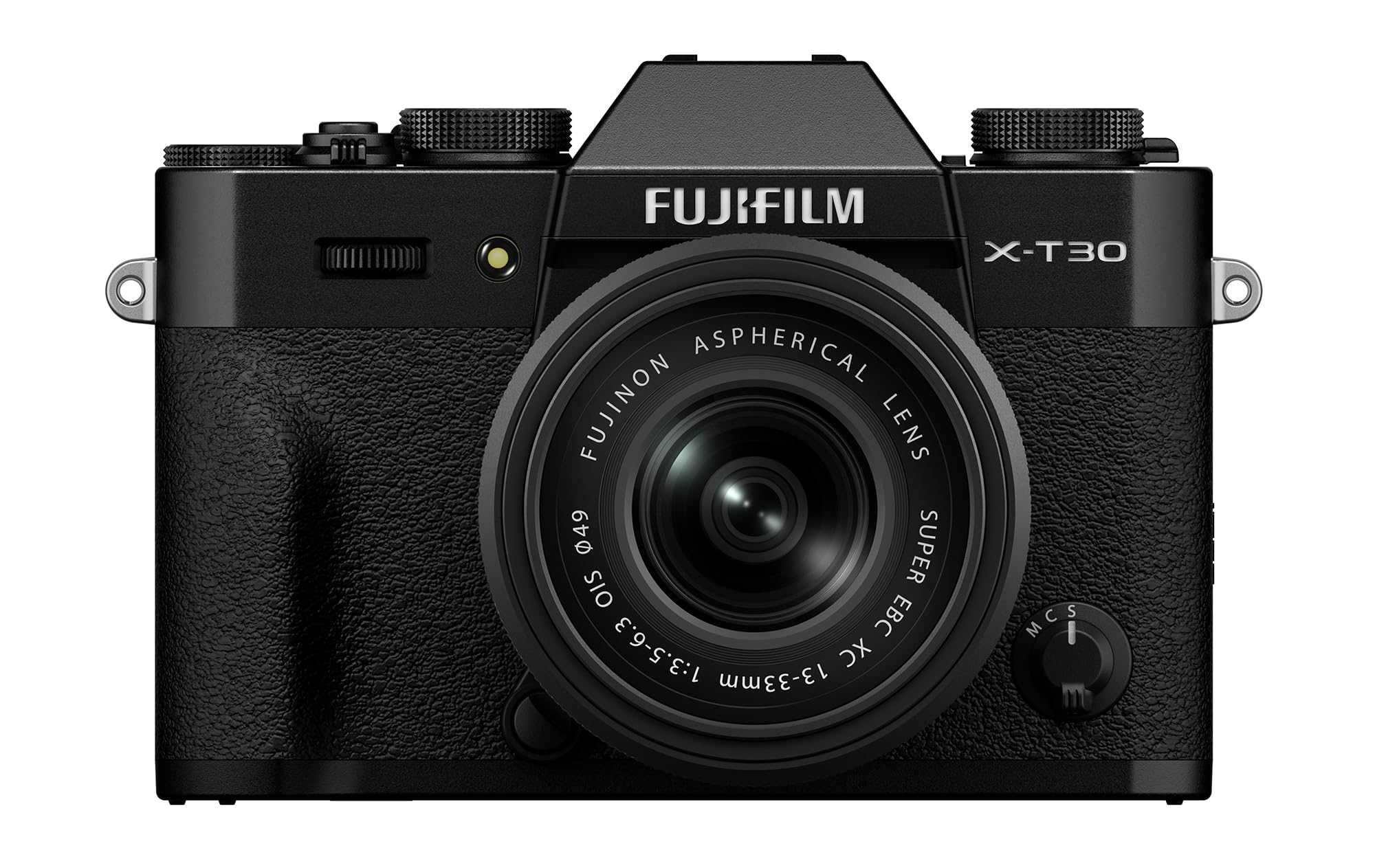
The FUJIFILM X-T30 III combines the classic analog control experience with modern AI-powered autofocus in a remarkably compact body. The 26.1-megapixel APS-C X-Trans sensor delivers beautiful color reproduction and 1.5x crop factor reach. The 425-point phase detection system includes subject detection that recognizes birds.
At 8 fps with the mechanical shutter, the X-T30 III handles slow to moderate bird action. The 20 built-in Film Simulations give your bird images a distinctive look straight out of camera — popular options include Velvia for vivid feather colors and Provia for natural tones. The body is light enough to carry all day without fatigue.
The kit lens is an XC 13-33mm f/3.5-6.3 OIS, which is excellent for landscapes and habitat shots but too wide for birds. You’ll need to pair this body with Fuji’s XF 70-300mm or XF 100-400mm lenses for effective birding reach. No in-body stabilization means you’re reliant on lens OIS for sharp telephoto images.
Why it’s great
- Beautiful film simulations for rich bird colors
- AI subject detection includes birds
- Very compact and lightweight for travel
Good to know
- No in-body stabilization
- Kit lens not suitable for bird reach
11. Nikon COOLPIX P950

The Nikon COOLPIX P950 is a bridge camera built specifically for reach — its 83x optical zoom lens covers an equivalent 24-2000mm range in a single, non-interchangeable package. This range lets you photograph a hummingbird at 10 feet or a hawk at 200 yards without carrying extra glass. For the price, no other camera delivers this kind of focal length.
The built-in Bird Mode and Moon Mode are preset scene modes that optimize settings for those specific subjects. Dual Detect Optical Vibration Reduction helps keep the image steady at extreme telephoto focal lengths. The 16-megapixel sensor is modest by modern standards, but the level of reach this camera offers makes it a unique tool for the dedicated birder on a budget.
4K UHD video capture and a rotating LCD screen add flexibility for bird videography and awkward-angle shots. Autofocus uses contrast detection, which is noticeably slower than phase-detection systems — especially tracking a bird in flight. The image quality at full zoom is decent in good light but degrades significantly in low light or high ISO.
Why it’s great
- Unbeatable 83x optical zoom reach
- Built-in scene modes for birds and moon
- Lightweight for its focal length class
Good to know
- Contrast-detection AF struggles with fast action
- Small sensor limits high-ISO performance
12. Canon Powershot SX70

The Canon Powershot SX70 packs a 65x optical zoom lens (21-1365mm equivalent) into a compact, DSLR-style body that fits in a small daypack. The 20.3-megapixel CMOS sensor with the DIGIC 8 processor delivers better image quality than the earlier SX60 generation, with improved color and reduced noise at lower ISOs.
The optical image stabilizer helps tame shake at the telephoto end, and the built-in electronic viewfinder makes composing shots in bright sunlight easier. 4K video and 4K time-lapse movie modes expand creative options for bird videography. Wi-Fi and Bluetooth connectivity allow for remote camera control from a smartphone.
Contrast-detection autofocus is the limiting factor here — the SX70 tracks moving birds less reliably than phase-detection systems. Low-light performance is mediocre due to the small sensor and variable aperture f/3.4 at the wide end, slowing significantly at full zoom. This camera works best for well-lit, static to slow-moving bird subjects at a budget price.
Why it’s great
- Compact body with huge 65x zoom range
- Better image quality than previous SX models
- Good value for reach-focused budget buyers
Good to know
- Autofocus struggles with birds in flight
- Small sensor limits low-light performance
13. Leica Q3
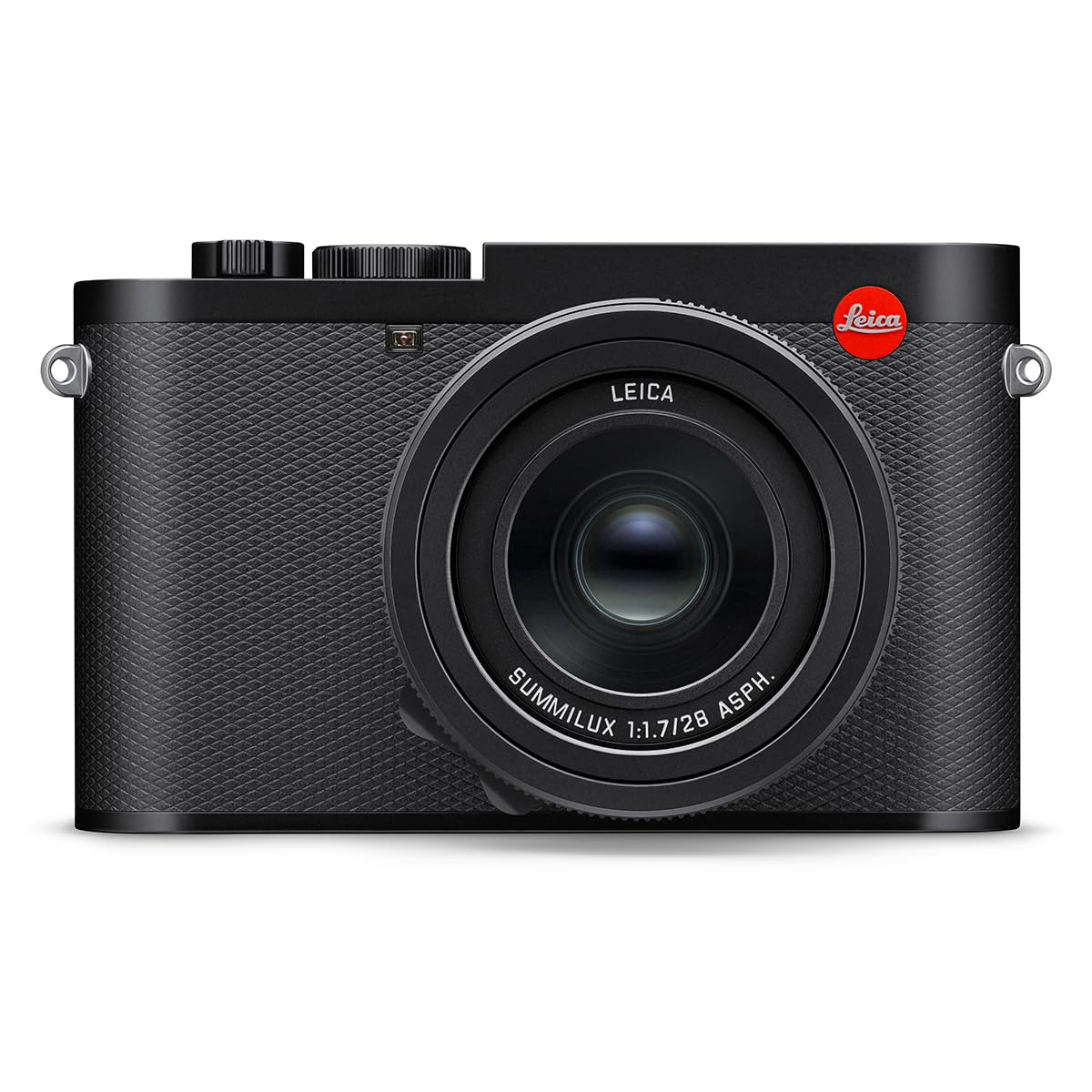
The Leica Q3 is a premium fixed-lens compact camera with a 60-megapixel full-frame sensor and a Summilux 28mm f/1.7 lens — a combination designed for street and travel photography, not traditional birding. Its triple-resolution sensor technology allows you to shoot at 60MP, 36MP, or 18MP, and the digital zoom function crops up to a 90mm field of view.
For bird photography, the fixed 28mm wide-angle lens is a severe limitation — you cannot photograph distant birds unless you use the digital zoom function, which crops the sensor and reduces effective resolution. The hybrid autofocus system combines phase detection and contrast detection with subject tracking, but the camera lacks any bird-specific AF detection modes.
The Leica Q3 excels as a landscape and environmental photography camera — useful for capturing habitat scenes and close-range birds like pigeons and urban waterfowl. For serious birders, this camera is the wrong tool for the job. It’s included here as the outlier option for those who prioritize build quality and sensor resolution over telephoto reach.
Why it’s great
- Exceptional build quality and lens sharpness
- 60MP sensor offers detail and dynamic range
- Very compact for a full-frame system
Good to know
- Fixed 28mm lens lacks birding reach
- Digital zoom reduces actual resolution
FAQ
Is a crop sensor or full-frame sensor better for bird photography?
How many frames per second do I need for birds in flight?
Can I use an adapter for my existing DSLR lenses?
What is the minimum lens focal length I need for bird photography?
Final Thoughts: The Verdict
For most users, the best bird photography camera is the Canon EOS R7 because it combines the critical APS-C reach advantage with blazing-fast 30fps capture and reliable animal-eye autofocus — all in a compact, well-priced mirrorless body. If you want maximum cropping flexibility and can invest in long glass, grab the Sony Alpha 7R V. And for the most extreme telephoto reach in a lightweight, all-in-one package without buying separate lenses, nothing beats the Nikon COOLPIX P950.