
Our readers keep the lights on and the weekend projects moving. As an Amazon Associate, I earn from qualifying purchases.
Getting a blueberry bush to thrive in Zone 7 comes down to picking the right variety and choosing a plant that arrives strong enough to survive your local clay or loam. Starter plugs can take years to establish, while a mature 1- or 2-gallon bush with a developed root system often hits the ground running and produces fruit in its first season.
I’m Rikta — the co-founder and writer behind FitlyFast. I’ve spent many hours digging through dirt-level specs, reading through hundreds of buyer experiences, and analyzing chill-hour requirements, soil pH needs, and cross-pollination compatibility to build this guide specifically for Zone 7 growers.
blueberry plants for zone 7 need low to moderate chill hours, acid soil, and at least two compatible varieties for solid fruit set.
How To Choose The Best Blueberry Plants For Zone 7
Buying blueberry plants online means you are committing to a perennial that will sit in your garden for years. Picking the wrong type for your soil, chill hours, or pollination needs is the fastest way to waste both time and money.
Match Chill Hours to Your Zone 7 Microclimate
Zone 7 typically gets 700–1,000 chill hours, but lower elevations or urban heat islands may be closer to 500. Southern Highbush varieties need 200–600 chill hours, making them the safest bet. Rabbiteye types handle 300–600 hours well. Northern Highbush varieties demand 800–1,000 hours and may underperform in warmer parts of Zone 7.
Choose Between Starter Plugs and Larger Container Plants
A 2-inch starter plug costs less but needs at least one full growing season in a nursery pot before going in the ground. A 1-gallon or 2-gallon bush arrives with a substantial root ball and can be planted immediately. For Zone 7, larger container plants often survive the transition better because they have more stored energy.
Always Plan for Cross-Pollination
Blueberries are not self-fertile enough to produce full crops alone. You need at least two different varieties that bloom around the same time. Rabbiteye types like Powder Blue and Tifblue pair well. Southern Highbush varieties such as Emerald and Pink Lemonade also overlap nicely in their bloom window for Zone 7.
Quick Comparison
On smaller screens, swipe sideways to see the full table.
| Model | Category | Best For | Key Spec | Amazon |
|---|---|---|---|---|
| Patriot HighBush | Northern Highbush | Cold pockets in Zone 7 | 4-5ft mature height | Amazon |
| Perfect Plants 3-Pack | Rabbiteye Combo | Immediate full-season harvest | 3 x 1-gallon bushes | Amazon |
| Pink Icing | Southern Highbush | Container growing / ornamental | 2-gallon container | Amazon |
| Powder Blue 1 Gal | Rabbiteye | Large, sweet berries mid-season | 6-15ft mature height | Amazon |
| Emerald Southern Highbush | Southern Highbush | Early harvest, compact growth | 2.25-inch pot, 4-pack | Amazon |
| Blueray | Northern Highbush | Extra-large fruit | Bare-root, single plant | Amazon |
| Pink Lemonade 4-Pack | Rabbiteye | Unique pink berries | 2-inch starter plug, 4-pack | Amazon |
In‑Depth Reviews
1. Patriot HighBush Blueberry (#3 Container)
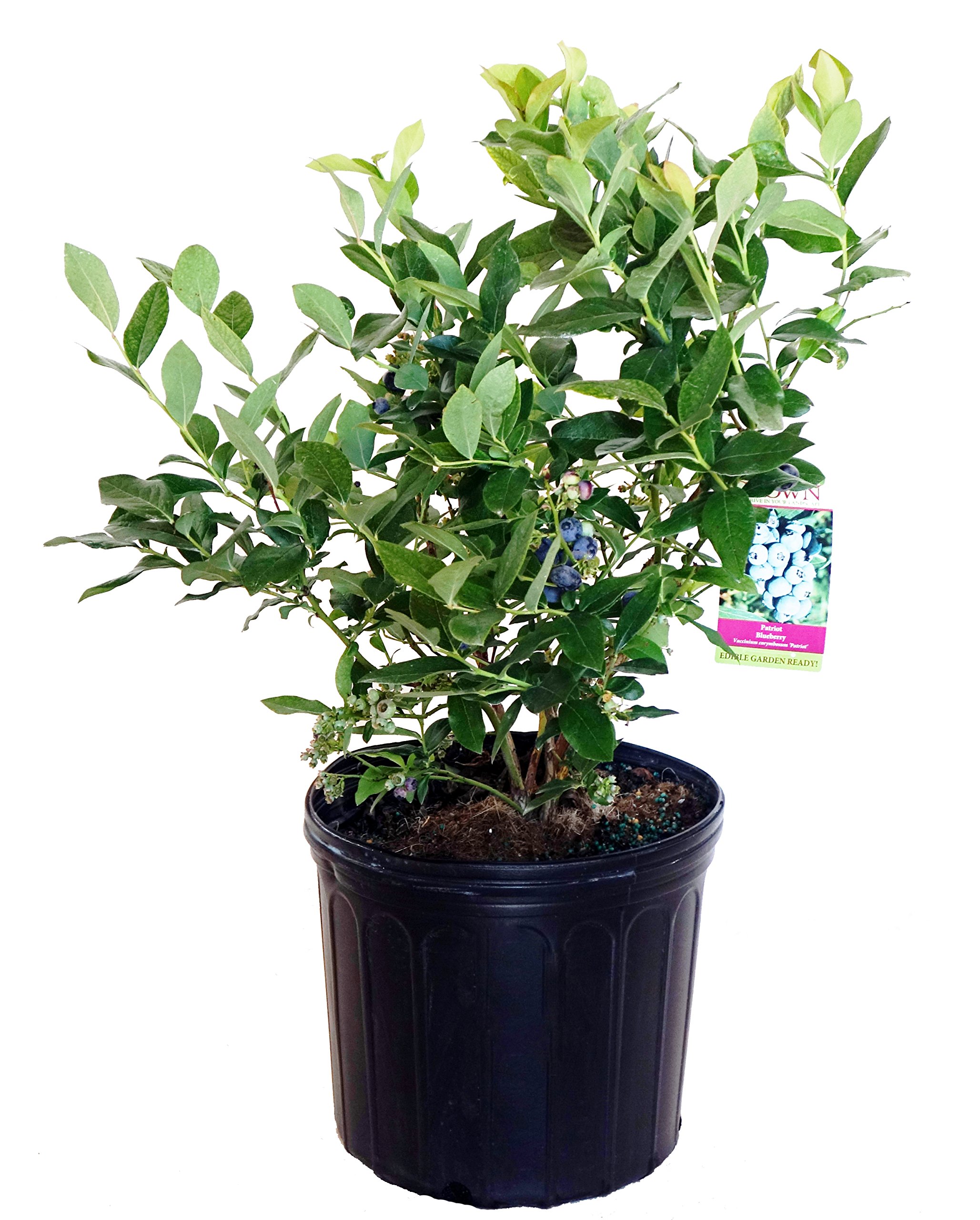
The Patriot arrives in a #3 container (roughly 3-gallon size), which is a full step up from the 1-gallon or 2-inch pots that dominate this category. That larger root ball gives the plant a massive advantage in Zone 7 — it can go straight into the ground without a nursery holding period, and it often flowers in its first spring. Buyers report healthy foliage, pink and white blooms, and vigorous growth within weeks of planting.
This is a Northern Highbush variety bred for cold tolerance down to Zone 3, but its 800-1,000 chill-hour range still fits the cooler microclimates of Zone 7, especially in the upper piedmont or mountain valleys. The mature size of 4-5 feet makes it manageable for most home gardens without requiring a ladder for harvest. The berries are large, firm, and known for excellent flavor fresh or baked.
Some buyers note the plant may arrive dormant (leafless) during late fall through winter, which is normal for this variety. The packaging and shipping speed from Green Promise Farms get consistently high marks, with most plants arriving moist and undamaged. For Zone 7 growers who want the most established plant with the least fuss, this is the benchmark.
Why it’s great
- Largest container size (#3) means minimal transplant shock
- Known for excellent cold tolerance and reliable spring flowering
- Firm, large berries with proven flavor for fresh eating and baking
Good to know
- Requires 800-1,000 chill hours; not ideal for warm urban Zone 7 pockets
- May arrive dormant (leafless) in winter — this is normal
- Premium price reflects the larger container and mature root system
2. Perfect Plants 3-Pack Rabbiteye Blueberry Bushes (1 Gal)

This 3-pack from Perfect Plants bundles three different Rabbiteye varieties specifically selected for cross-pollination, which is exactly what Zone 7 growers need. The set includes varieties like Powder Blue, Tifblue, and Climax — chosen so their bloom windows overlap, ensuring the heavy fruit set that solo bushes cannot achieve. Each bush arrives in a 1-gallon container with a well-developed root system, and many buyers report finding berries already forming on arrival.
Rabbiteye varieties are naturally more heat- and drought-tolerant than Highbush types, making this pack a strong pick for the warmer end of Zone 7. The plants are listed as hardy to Zone 7-9 and come with clear planting instructions. The 3-bush system covers early, mid, and late-season fruiting, stretching your harvest from June through August. Buyers consistently praise the healthy foliage, sturdy packaging, and the fact that the plants are large enough to go straight into the ground.
One limitation is that these do not ship to California, Arizona, or Washington due to agricultural regulations, so check your state before ordering. A small number of buyers received one weaker plant in the bundle, but the overwhelming majority report all three thriving. For anyone wanting a complete pollination-ready setup in one order, this pack simplifies everything.
Why it’s great
- Three pre-paired varieties ensure cross-pollination and longer harvest
- 1-gallon containers provide strong root system for immediate planting
- Rabbiteye varieties are more heat- and drought-tolerant for Zone 7
Good to know
- Does not ship to CA, AZ, or WA
- Small chance one plant arrives smaller than the other two
- Requires at least 6 hours of full sun daily for best production
3. Pink Icing Blueberry (#2 Container)

The Pink Icing from Bushel and Berry is a Southern Highbush variety that tops out at just 3-4 feet tall, making it the best fit for container growing on patios, balconies, or small urban gardens. It arrives in a 2-gallon container, which is actually larger than many starter options and gives it a head start over smaller plug plants. The foliage starts pink in spring, shifts to blue-green in winter, and offers ornamental value year-round.
Its chill-hour requirement sits in the 200-400 range, well within the easy reach of all Zone 7 microclimates. The berries are described as surprisingly sweet — several buyers noted they taste better than store-bought blueberries. While it is a dwarf variety, it still needs a compatible pollinator nearby; pairing it with another Southern Highbush like Emerald or Sunshine Blue ensures good fruit set. The plant is also listed as hardy to Zone 5-10, giving it flexibility across the entire zone range.
Some buyers mention the berries ripen gradually, producing only a handful every few days rather than all at once. That is actually a plus for home use — you get fresh berries over weeks rather than a single glut. The packaging from Green Promise Farms is widely praised, with plants arriving moist, leafy, and often already flowering. For Zone 7 growers short on space, this is the clear winner.
Why it’s great
- Compact 3-4 ft height perfect for containers and small spaces
- Low chill-hour requirement (200-400) fits all of Zone 7
- Ornamental pink-to-blue foliage adds landscape value year-round
Good to know
- Berries ripen gradually, not in a single flush
- Requires a separate pollinator variety for good fruit set
- Premium price for a 2-gallon container
4. Powder Blue 1 Gallon

The Powder Blue from Perfect Plants is a classic Rabbiteye variety that produces large, sweet berries in June and July — prime pie and muffin season for home bakers. It is a vigorous grower that can reach 6-15 feet tall and 6-10 feet wide at maturity, so give it room. The 1-gallon container size means it is ready for ground planting, and it ships with a packet of blueberry-specific fertilizer included.
This variety needs a pollinator partner, and Perfect Plants recommends pairing it with Premier or Climax types for best cross-pollination. The chill-hour requirement is in the 400-600 range, which fits most of Zone 7 easily. Buyers consistently praise the plant’s size at arrival — many report it arrives with green leaves, white blossoms, and even tiny berries already forming. The autumn foliage turns yellow and copper, adding seasonal interest.
Some buyers received plants with mild fungal spotting on leaves, though most report the plants recovered quickly with proper care. Perfect Plants offers a 15-day warranty and is known for responsive customer service if a plant arrives damaged. For Zone 7 growers who want a fast-growing, high-yielding Rabbiteye that produces classic baking berries, this is a strong pick.
Why it’s great
- Large, sweet berries ideal for pies, muffins, and preserves
- 1-gallon pot with mature root system for immediate planting
- Includes blueberry fertilizer with the plant
Good to know
- Matures to 6-15 ft tall — needs ample garden space
- Requires a compatible pollinator (Premier or Climax recommended)
- Some reports of leaf spotting; 15-day warranty applies
5. Emerald Southern Highbush (4-Pack)
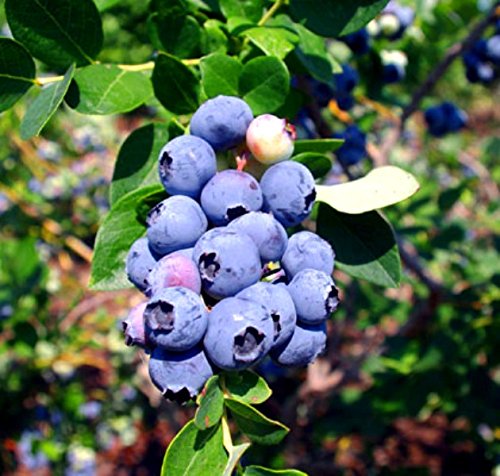
The Emerald is widely considered the standard-bearer for Southern Highbush blueberries, and Hello Organics sells it as a 4-pack of 2.25-inch potted starter plants. Each plant is 3-5 inches tall with at least a 2-inch root system, making this kit ideal for growers who want to establish several bushes at once without paying per-bush premium prices. The expected bloom period is mid-January to February, which is early enough to avoid late spring frosts in most of Zone 7.
The compact, upright habit of Emerald makes it easy to manage in rows or large containers. Its low chill-hour requirement (200-400) is a safe bet for every corner of Zone 7, including the warmer urban heat islands. Buyers report that the plants arrive healthy and well-rooted, and many have seen them survive and grow strong for months after transplanting into grow bags or raised beds. The included plant tags are a nice touch for variety tracking.
A few buyers experienced plants that never produced fruit or died after a year, though these appear to be outliers. The biggest caution is that these are starter plants, not established bushes — they need at least one season in a 4-inch pot or grow bag before going into the ground. If you are patient and willing to baby them through their first year, this 4-pack offers the best per-plant value for building a small blueberry patch.
Why it’s great
- Four plants at a competitive price for building a patch
- Low chill hours (200-400) are ideal for all of Zone 7
- Compact growth habit works well in rows or containers
Good to know
- Starter plants need 1 season in a nursery pot before ground planting
- Mixed reviews on long-term survival rate
- Bloom period is early January-February, risk of frost damage in colder Zone 7 pockets
6. Blueray Blueberry (Bare-Root)

The Blueray from Greenease/Nourse Farms is a Northern Highbush variety bred specifically for extra-large, firm berries with excellent flavor. It arrives as a bare-root cutting, which is the most budget-friendly way to buy a blueberry plant, but it also requires the most careful handling. The bare-root form means the plant is dormant — you will need to soak the roots and plant it immediately upon arrival to prevent drying.
This variety is rated for Zone 4-7, so it sits right at the cold edge of Zone 7. Its 800-1,000 chill-hour requirement makes it a better fit for the upper half of Zone 7 (areas with colder winters) rather than the warm southern edge. Buyers who planted it in loam soil with full sun report that the plant catches up quickly — one reviewer documented growth from a bare stick to a 4-foot bush in a single season. The berries are described as ideal for canning, freezing, pies, and fresh eating.
The main downside is the bare-root format itself. Without soil around the roots, the plant is more vulnerable to drying out during shipping and transplanting. Some buyers received plants that looked underwhelming compared to the product photos, though most who followed proper planting procedures saw strong recovery. For experienced gardeners comfortable with bare-root handling who want the largest berries possible, this is a solid option.
Why it’s great
- Extra-large, firm berries with exceptional flavor
- Lowest cost entry point into blueberry growing
- Perfect for processing — canning, freezing, dehydrating
Good to know
- Bare-root format requires immediate soaking and planting
- 800-1,000 chill hours — not recommended for warm Zone 7 microclimates
- Single plant; needs a different variety nearby for cross-pollination
7. Pink Lemonade Rabbiteye (4-Pack)

The Pink Lemonade from Hello Organics is a Rabbiteye variety that stands out for producing bright pink blueberries instead of the standard blue. The berries are described as sweet and very tasty, and the bush itself reaches up to 6 feet tall with orange-red foliage in fall. This 4-pack ships as 2-inch starter plugs in tray pots, each plant about 3-6 inches tall — small but genetically identical to the parent variety.
Its 300-600 chill-hour requirement makes it a great mid- to late-season producer for Zone 7. The pink color is not just a gimmick — the flavor profile is distinct from standard blueberries, with many reviewers noting it is sweeter and more floral. The bush is a heavy producer at maturity, capable of yielding over 5 pounds of berries per plant. The fall foliage show adds ornamental value that standard blueberry bushes do not offer.
The trade-off is the very small starter size. Several buyers received plants that looked weak or died shortly after transplanting, likely because the tiny root system cannot handle direct ground planting without a nursery pot intermediate step. A 3/5-star review noted the plants were “probably not even 1 year old” and needed two years of babying. For experienced growers who understand the need to up-pot and protect these plugs for their first season, the payoff is a stunningly unique berry.
Why it’s great
- Unique bright-pink berries with sweet, floral flavor
- Orange-red fall foliage adds ornamental value
- 300-600 chill hours fit Zone 7 well
Good to know
- Very small starter plugs — not ready for direct ground planting
- Higher failure rate reported; needs careful first-year care
- Requires a different Rabbiteye pollinator for fruit set
FAQ
Can I grow a single blueberry bush in Zone 7 or do I need two?
How do I fix alkaline clay soil for blueberry plants in Zone 7?
What is the best time of year to plant blueberry bushes in Zone 7?
Why did my blueberry plant arrive with no leaves and look dead?
How much sun do blueberry plants really need in Zone 7?
Final Thoughts: The Verdict
For most users, the blueberry plants for zone 7 winner is the Patriot HighBush Blueberry because its #3 container size gives you the most established plant with the least risk of transplant failure. If you want a complete pollination-ready system in one order, grab the Perfect Plants 3-Pack. And for container growing on a patio or deck, nothing beats the Pink Icing Blueberry with its compact 3-4 foot height and year-round ornamental foliage.