
Our readers keep the lights on and the weekend projects moving. As an Amazon Associate, I earn from qualifying purchases.
Finding a board game for an 11-year-old that isn’t boring for you and isn’t too complex for them is the real challenge. Kids at this age are ready for deeper strategy, but they still need rules that click in the first round and a playtime that doesn’t drag past their attention span. This guide picks seven games that hit that sweet spot — games that challenge an 11-year-old’s thinking without frustrating them, and that adults actually want to play too.
I’m Rikta — the co-founder and writer behind FitlyFast. This guide is built by comparing the manufacturers’ published specifications and the patterns across verified customer reviews, so you get each pick’s real strengths and trade-offs instead of marketing spin.
Each game here has been chosen because it balances strategic depth with a playtime that fits a school night, and because real families consistently report that it holds the interest of kids in this exact age bracket. This is your clear, no-fluff guide to the best board games for 11 year olds.
How To Choose The Best Board Games For 11 Year Olds
The game that works for one 11-year-old might flop with another. The key is matching the game’s mechanics to your child’s personality — not just their age. Pay attention to these three things before you buy.
Playing Time Is The Real Gatekeeper
A game that runs over 90 minutes is a gamble at this age — unless your kid is already a dedicated gamer. Look for games with an estimated playing time of 30 to 60 minutes. That window is long enough to build real strategy but short enough to finish before focus fades. The data shows that games in this range have the highest satisfaction scores from families with 11-year-olds.
Cooperative vs. Competitive — Know Your Kid
Some 11-year-olds love direct competition (trading, blocking, and cutthroat moves). Others get frustrated and need a team-based “all against the game” experience. Cooperative games like Castle Panic let everyone win or lose together, which builds teamwork without the sting of losing to a sibling. If your child is naturally competitive, games like Splendor Duel or Ticket to Ride reward clever planning over luck.
Replay Value Is Everything
An 11-year-old will want to play a good game over and over — but only if the game changes each time. Look for modular boards (like Catan’s hex tiles that rearrange), variable card decks, or multiple win conditions. Games with these features cost a bit more upfront, but they deliver far more plays per dollar than a single-use party game.
Quick Comparison
On smaller screens, swipe sideways to see the full table.
| Model | Category | Best For | Key Spec | Amazon |
|---|---|---|---|---|
| Ticket to Ride | Family Strategy | Classic gateway game | 30–60 min playtime | Amazon |
| Catan | Resource Management | Deep strategic thinking | 60–90 min playtime | Amazon |
| Castle Panic 2nd Ed. | Cooperative | Teamwork and tower defense | 45 min playtime | Amazon |
| Splendor Duel | Two-Player | Head-to-head strategy | 30 min playtime | Amazon |
| Harmonies | Tile-Laying | Creative puzzle solvers | 30 min playtime | Amazon |
| Exploding Kittens Board Game | Party/Family | Fast, silly fun | 1–2 hours playtime | Amazon |
| Tetris: The Board Game | Puzzle/Strategy | Quick, competitive puzzle fans | 20 min playtime | Amazon |
In‑Depth Reviews
1. Ticket to Ride Board Game (2025 Refresh)
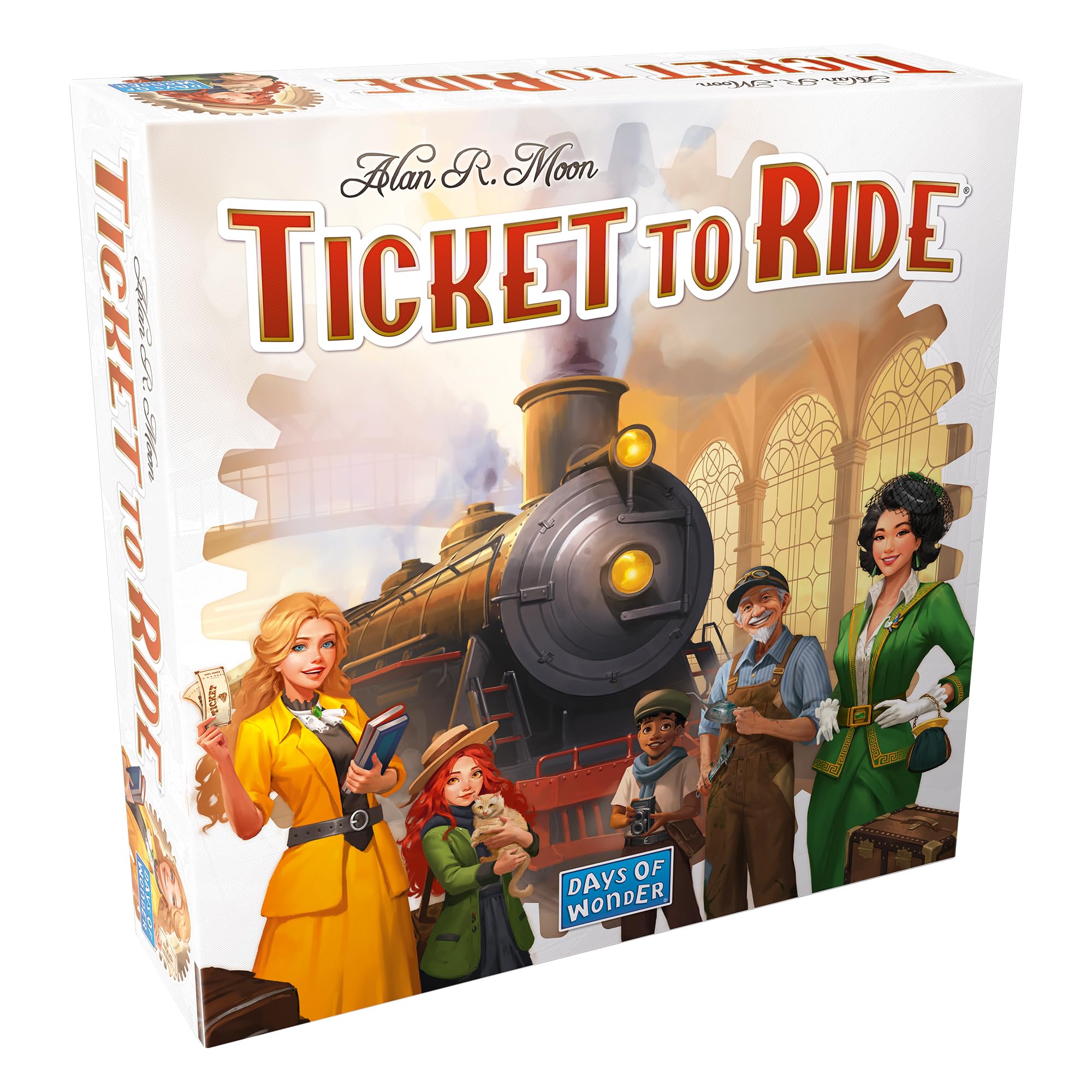
30–60 minute playtime and 225 plastic trains in five colors make Ticket to Ride the top pick for an 11-year-old who wants a strategic game that still fits into a weeknight. You draw colored train cards and claim railway routes across a giant map of North America, with rules simple enough that most kids get the hang of it in one round, but the strategic depth — deciding which routes to claim and when to block an opponent — keeps every playthrough fresh.
This 2025 Refresh edition upgrades the components with chunkier plastic trains and a more vibrant board, which buyers report makes the game feel “premium” for table presence. The core gameplay remains unchanged: collect sets of matching train cards, complete destination tickets for points, and try to build the longest continuous route. With 225 plastic trains in five colors, the tactile fun of placing them on the map is half the appeal for younger players.
The one catch: cutthroat blocking of routes can cause frustration for a sensitive 11-year-old, as owners mention that it can feel like direct sabotage. But for most kids, that competitive edge is exactly what makes it engaging after the tenth game. This is the board game that belongs in every family’s closet because it grows with the player — a confident, proven choice.
Why it’s great
- Extremely easy to learn — most kids understand after one round
- High replay value thanks to the large map and variable destination tickets
- Upgraded components in the 2025 edition feel great in hand
Good to know
- Competitive route blocking can feel mean to sensitive players
- The board can be fragile when played on a carpet floor
2. Catan Board Game (6th Edition)

Catan demands more thinking than Ticket to Ride — the 60–90 minute playtime is longer, and the resource management (brick, wood, wheat, ore, sheep) requires kids to negotiate, trade, and plan several turns ahead. Where Ticket to Ride is a straight path-building race, Catan is a living economy where your 11-year-old must convince you to trade sheep for brick or risk falling behind. It’s a harder game to learn, but the payoff is a deeper strategic experience.
The modular hexagonal board means no two games are ever the same, which is the single biggest reason families report playing Catan for years without getting bored. The 6th Edition (2025) adds card trays and chunkier wooden player pieces, making setup smoother and the pieces less likely to slide around during tense trades. Buyers consistently report that their 11-year-old “gets obsessed” with the trading and negotiation system after a few rounds.
Choose Catan over Ticket to Ride if your child enjoys games like chess where thinking three moves ahead matters, or if they have a sibling or parent who can guide them through the first two games. It is the best pick for an 11-year-old who is ready to graduate from family games into “real” strategy.
Where it shines
- Teaches negotiation, resource planning, and risk assessment in a fun way
- Modular board gives incredibly high replay value — no two games look the same
- 6th Edition adds very practical card trays and upgraded pieces
Worth noting
- Steeper learning curve — expect a 30-minute teach for beginners
- Requires exactly 3 or 4 players; doesn’t work well with 2
3. Castle Panic 2nd Edition

Imagine monsters swarming from all sides of a medieval board, and your whole family has to work together to stop them — that’s Castle Panic in action. It’s a cooperative game, which means everyone wins or loses together, and that makes it perfect for an 11-year-old who gets discouraged by direct competition. The rules click in about 5 minutes: players trade cards, roll dice to attack monsters, and try to keep at least one of the six castle towers standing.
The 45-minute playtime is ideal for this age — long enough to feel epic, but short enough to fit before bedtime. Customers note that one 11-year-old grandson “just plays and plays this game,” and that the cooperative nature lets younger siblings (even 7-year-olds) join with a little help. The 2nd Edition adds 3D cardboard towers that pop up from the board, which reviewers point out kids love because it makes the castle feel real and vulnerable.
The standout callout: you can play it solo, which is rare for a family board game. If your 11-year-old enjoys solving puzzles alone on a rainy afternoon, this game works as a single-player experience too. That flexibility makes it a smarter buy than many purely competitive options.
What stands out
- Zero player elimination — everyone stays in the game until the end
- Adjustable difficulty keeps it challenging for both casual and experienced players
- Includes solo play mode, a rare and valuable feature
The trade-offs
- Basic artwork doesn’t match the “wow factor” of pricier games
- Experienced gamers may find it lacks depth after 10-15 plays
4. Splendor Duel Board Game
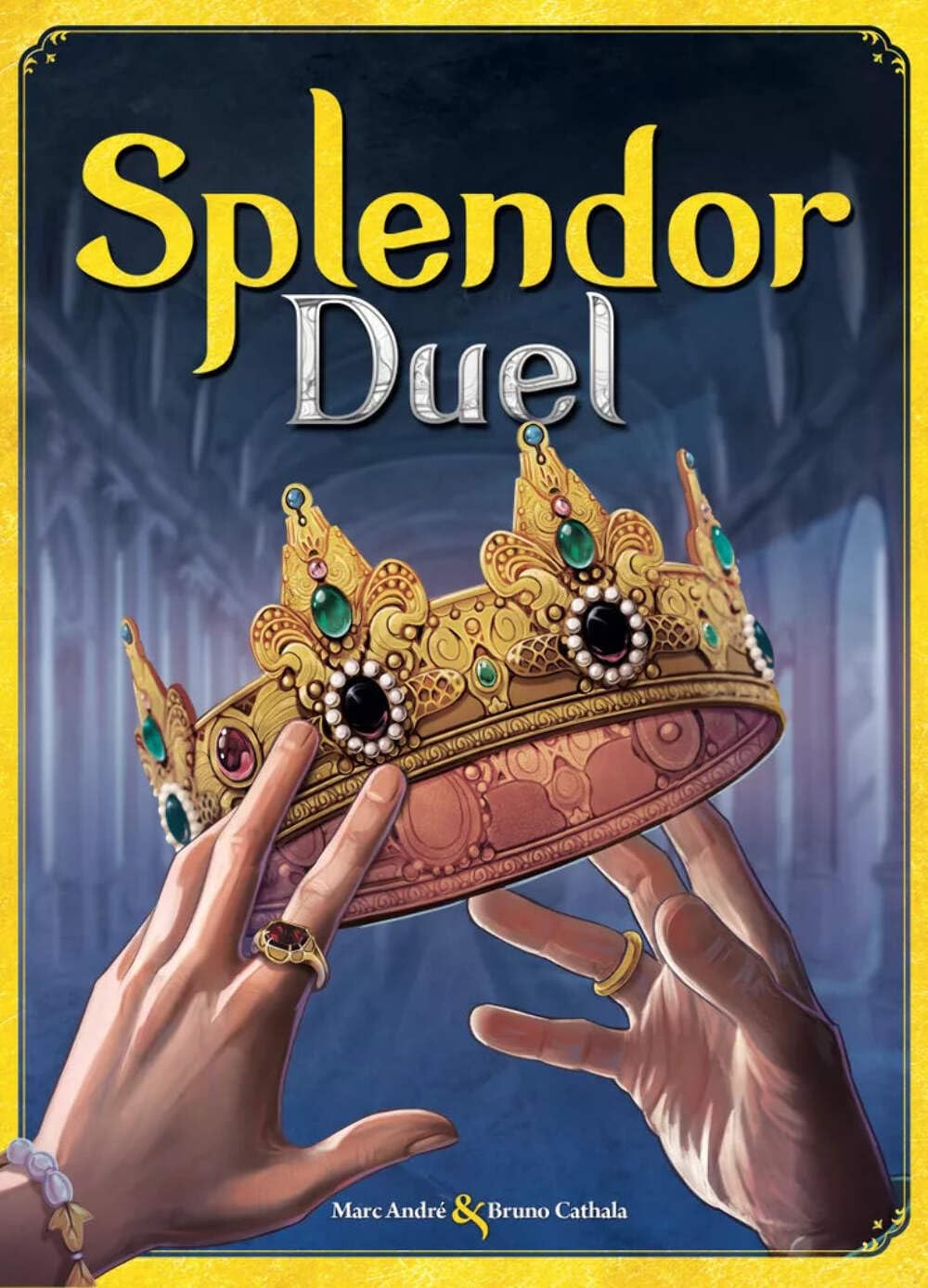
For an 11-year-old who loves one-on-one competition, the single number that matters most is replayability — and Splendor Duel delivers it with 67 jewel cards and four different victory conditions that make every game feel like a fresh puzzle. You and your opponent race to collect gem tokens and buy development cards, earning prestige points along the way. The first player to reach 10 points wins, but there are alternate paths: control royal tiles or hoard three special “pearl” tokens.
The catch you accept is that it is strictly a two-player game. If you have three or more kids, this won’t work for family night. But for a parent-child duo or two siblings close in age, it is arguably the best-designed duel game on the market. The 30-minute playtime is crisp, and shoppers say that the “huge variety in cards” keeps even their 10th playthrough exciting. The coin tokens are thick plastic and the cards have a sturdy, premium feel that survives tabletop abuse.
At a mid-range price point, you get a compact box that travels easily and deep enough strategy to satisfy an adult — making it a strong price-to-value read for the number of plays it will deliver for a focused pair of players.
The upsides
- Better two-player version of the original Splendor — adds gems and special powers
- Easy to learn in one game, but strategy unfolds over many plays
- Portable and compact, perfect for travel or restaurants
Keep in mind
- Strictly two players — useless for larger groups
- Requires re-reading the rules to grasp the differences from original Splendor
5. Harmonies Board Game

What you actually get at this lower price is 120 wooden tokens, 79 animal cubes, and 42 beautifully illustrated cards — component quality that reviewers consistently call “premium.” The rules are simple enough that buyers report it is “accessible to 6-year-olds,” but the scoring system (which rewards terrain height, animal diversity, and pattern completion) gives an 11-year-old plenty of strategic depth to explore. The 30-minute playtime is perfect for a quick after-dinner round.
Harmonies is the game for an 11-year-old who loves building things — literally. You place colorful wooden tokens to create 3D landscapes on your personal board, then place animal cubes onto matching terrain to score points. It is a tile-laying puzzle game where you build forests, mountains, and rivers, and then populate them with bears, deer, and foxes. The tactile feel of stacking the wooden pieces is half the fun.
What you give up is player interaction — each player builds their own landscape on their own board, and there is almost no trading or blocking. If your child thrives on direct competition, they may find it a bit solitary. It is the exact game for the creative, visual thinker who loves puzzles over conflict.
Why we’d pick it
- Gorgeous 3D wooden components are visually and tactilely satisfying
- Simple rules with surprisingly deep scoring strategies
- Includes a solo mode for independent play
A few caveats
- Very little player interaction — each person plays their own puzzle
- Game can end abruptly once someone hits the scoring trigger
6. Exploding Kittens: The Board Game
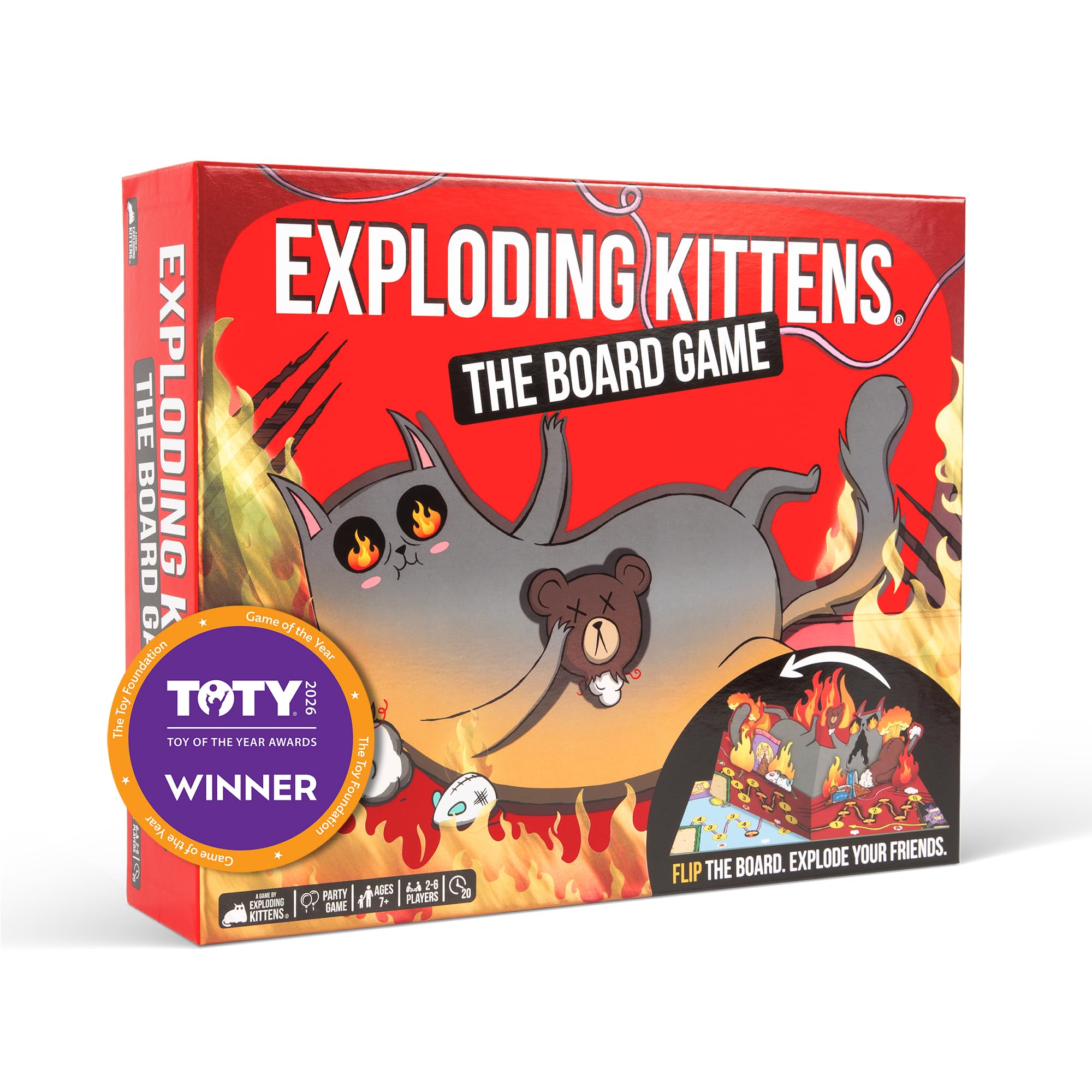
Exploding Kittens is the board game for the 11-year-old who lives for chaos and laughter — the kind of kid who wants to make everyone at the table groan and giggle at the same time. The goal is simple: don’t explode. You flip the board to reveal a new path, draw cards, and try to survive while sabotaging everyone else. The rules are easy to learn in one minute, and the wild card effects (like “Meatpants” and “Litterbox Sandworm”) keep the energy high.
The headline feature is the flipping board mechanism — one wrong move causes the board to physically flip, revealing a completely new path and forcing everyone to rethink their strategy. Owners mention that their “10 year old loves playing this game” and that it is “very entertaining for the entire family.” It supports 2-6 players, which makes it the best option for sleepovers or larger family gatherings where you need everyone included.
An honest limit: several customers note that the board game version feels “less action packed” than the original card game. The flip board is clever, but the core gameplay of drawing and dodging is simpler than a deep strategy game like Catan. If your 11-year-old wants a light, social, laugh-out-loud experience with friends, this is a strong choice — but it wears thin faster than the strategy games on this list.
Strong points
- Unique flip-board mechanism keeps players on edge
- Supports up to 6 players, perfect for parties and sleepovers
- Extremely quick to learn — no long teach required
Before you buy
- The flip board is stiff at first and requires repeated play to loosen up
- Game length varies wildly — reported between 1 and 2 hours depending on luck
7. Tetris: The Board Game
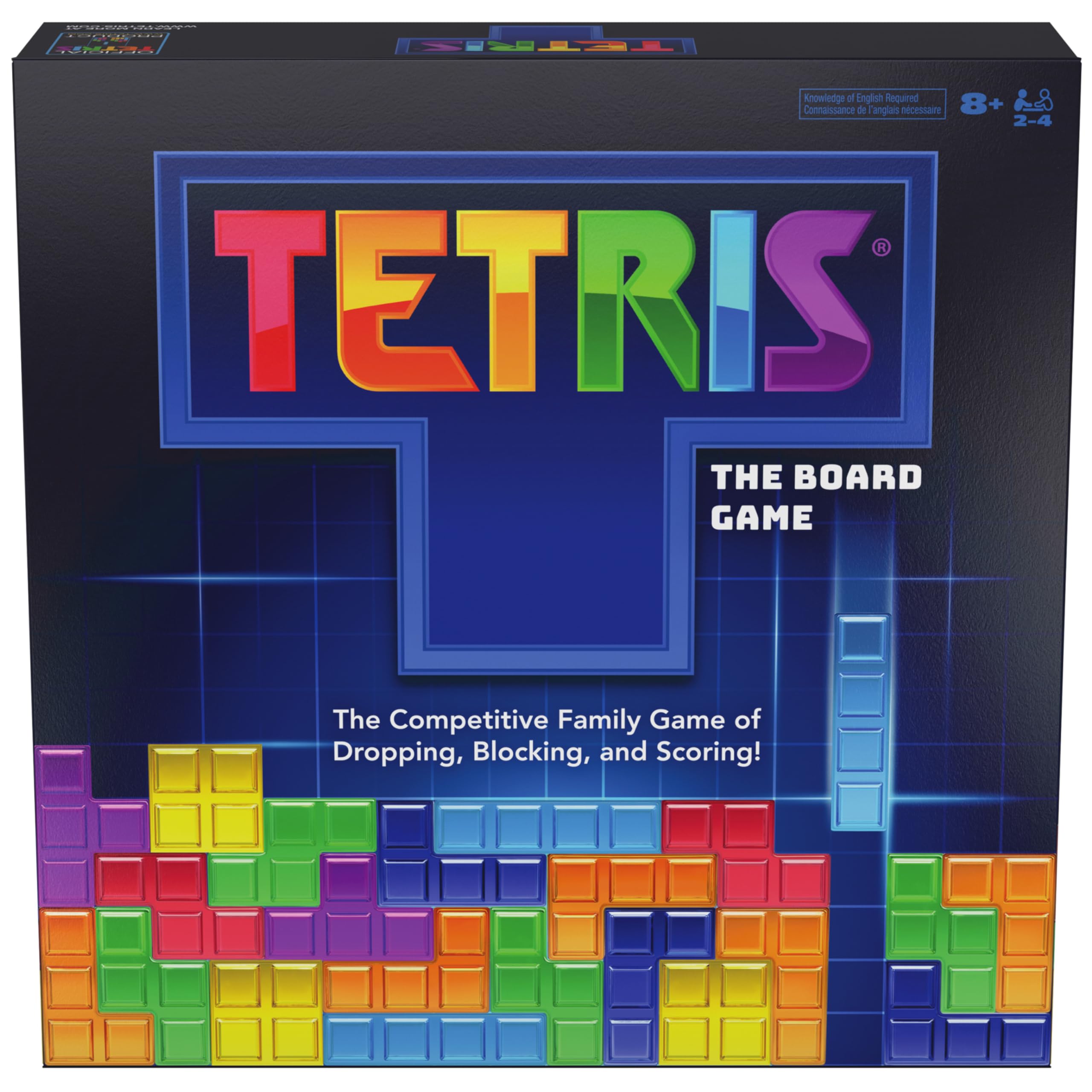
At a budget-friendly entry point, the Tetris Board Game offers strong value compared to pricier picks on this list, giving you a faithful physical adaptation of the classic video game for a lower cost. You drop semi-translucent tetromino pieces into a grid and try to complete lines. What makes it different from the video game is the competitive twist: land a piece on a black “Garbage Drop” icon in your own grid, and you get to add a blocking piece to an opponent’s board. It is pure, head-to-head puzzle action with almost no rules overhead.
What that money actually gets you is 128 Tetrimino pieces, 4 player grids, and a game board that mimics the classic video game aesthetic. The pieces are semi-translucent plastic that genuinely look like they fell out of the 1984 video game. Reviewers point out it is “super fun” and that it gets their 9-year-old “thinking without realizing it.” At a 20-minute estimated playing time, it is the fastest game on this list — perfect for a quick warm-up before a longer game, or for kids with shorter attention spans.
The one clear reason to choose it: if your 11-year-old is already obsessed with the video game Tetris, this board game version scratches the same itch while adding a social, multiplayer element the screen version can’t match. Just be aware that some buyers noted that puzzle pieces arrived slightly bent in the box.
What we like
- Faithful physical adaptation of the classic video game
- Fast 20-minute games allow multiple rounds in one sitting
- Competitive “garbage block” mechanic adds real strategic tension
The downsides
- Some puzzle pieces may arrive slightly bent or warped
- Less strategic depth than dedicated strategy games — luck plays a role in card draws
Understanding the Specs
Estimated Playing Time
This is the single most important number on the box for an 11-year-old. A game rated for 20–30 minutes (like Tetris or Splendor Duel) works well for shorter attention spans or weeknights. A 45–60 minute game (Castle Panic, Ticket to Ride) is the sweet spot for a focused session. Games over 90 minutes (Catan) require a child who already enjoys long-form strategy. Always trust the “estimated playing time” over the age range listed on the box — it is a better predictor of whether your kid will actually finish the game.
Players (2–6)
The player count determines whether the game actually fits your family. A two-player game like Splendor Duel is excellent for parent-child bonding but useless for game night with three kids. Cooperative games (Castle Panic) scale from 1 to 6 players, making them the most flexible. Games that require exactly 3 or 4 players (Catan) can be frustrating if you have an odd number of kids. Check this number before you buy — it is the second most common reason families report a game “never gets played.”
FAQ
My 11-year-old has never played a strategy game before. Which should I start with?
Are two-player board games worth it for a single parent and child?
How do I know if a game has enough replay value for a full year?
My kid gets frustrated easily. Should I buy a cooperative game?
Final Thoughts: The Verdict
For most families, the board games for 11 year olds winner is the Ticket to Ride because it balances simplicity and strategy perfectly at a 30–60 minute playtime that fits any evening. If you want a game that teaches negotiation and resource planning, grab the Catan. And for a cooperative experience where everyone wins or loses together, the standout is the Castle Panic.