
Our readers keep the lights on and the weekend projects moving. As an Amazon Associate, I earn from qualifying purchases.
Specs are compiled from manufacturer listings and verified buyer reviews and can change over time — please confirm the key details on the product page before buying.
To keep raccoons, weasels, and hawks out of your flock, the mesh opening size is the one rule that matters most. If the gaps are 2 inches, a predator can pull the fence apart or squeeze through. You need a fence where the math works in your favor — here are the real numbers, materials, and owner experiences across the best options so you choose right the first time.
I’m Rikta — the founder and writer behind FitlyFast. This guide is built by comparing the manufacturers’ published specifications and the patterns across verified customer reviews, so you get each pick’s real strengths and trade-offs instead of marketing spin.
The key is matching the mesh to the threat, and here we cover the best chicken fencing in lengths, gauges, and coatings that actually stand up to years of weather and hungry predators.
Our Picks at a Glance

How To Choose The Best Chicken Fencing
Match the mesh size to the predator threat and the roll length to your run’s perimeter. The three numbers to lock in before you buy are the mesh opening size, the wire gauge (thickness), and the roll length.
Mesh Opening Size: The Anti-Predator Math
This is the single most important spec. A 1-inch hexagonal mesh will stop a chicken from wandering but not a determined raccoon, which can reach through and grab. For a secure coop or run, 1/2-inch openings are the gold standard, and a 1/4-inch mesh is even more impenetrable for critters like snakes and mice.
Wire Gauge: The Strength vs. Workability Trade-off
The gauge number is the wire’s thickness — and it works backward. A higher number like 23 is thinner, while a lower number like 16 is thicker and much stronger. Thicker wire resists pulling and rusts slower, but it is harder to cut and shape around corners. Choose a gauge that resists the pressure you face but still cuts and bends with your tools.
Quick Comparison
| Model | Best For | Mesh Size | Wire Gauge | Roll Size | Amazon |
|---|---|---|---|---|---|
| Hardware Cloth 1/2” (Nueve Deer)★ Best Overall | Best Overall Predator-proofing | 1/2 inch | 19 | 48 in x 100 ft | Amazon |
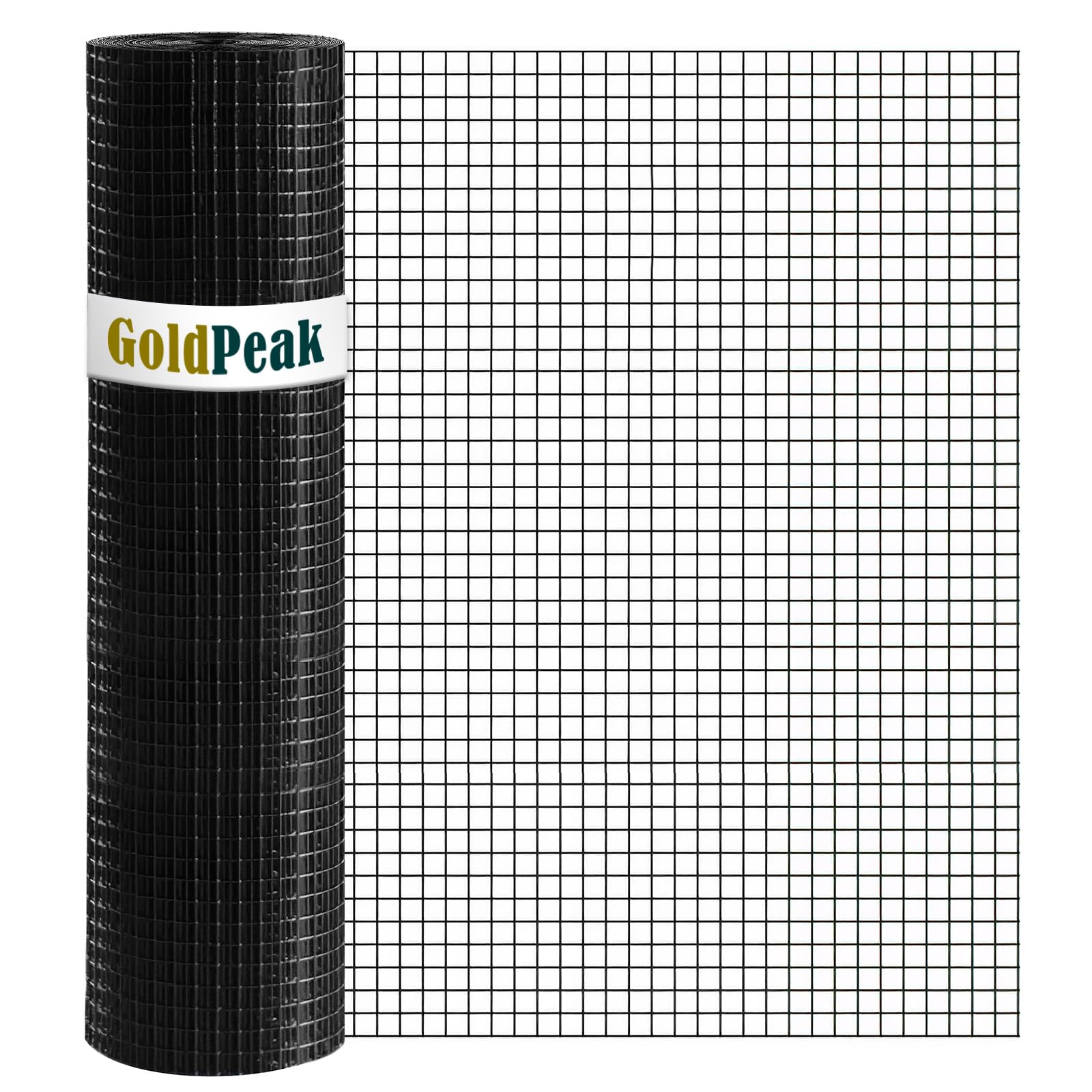
| GoldPeak Black Hardware ClothPremium Pick | Premium Coop Protection | 1 inch | 17 | 36 in x 100 ft | Amazon |
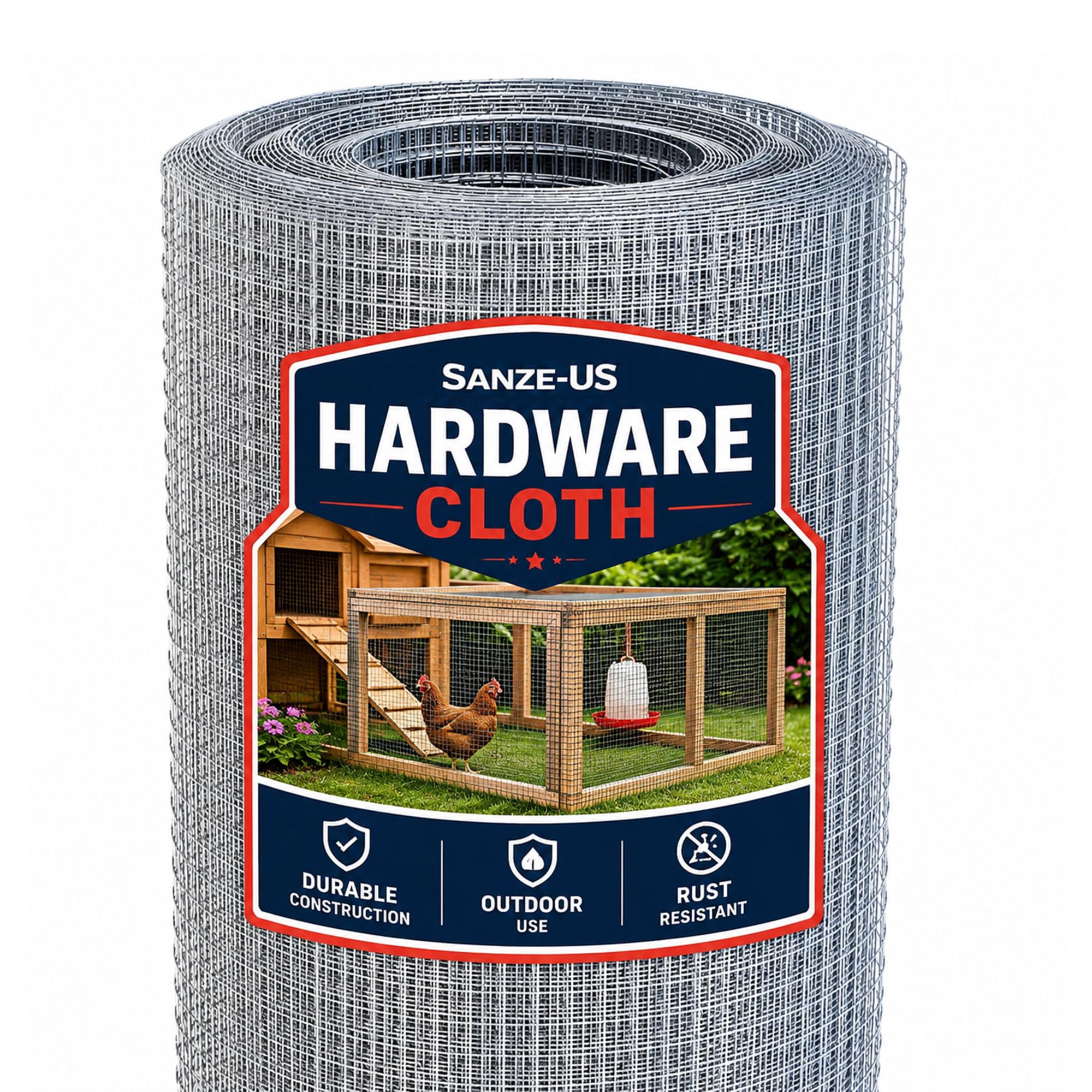
| SANZEUS Hardware ClothBest Value | Value 1/2-inch Defense | 1/2 inch | 19 | 48 in x 100 ft | Amazon |
| Black Hardware Cloth (Nueve Deer) | Low-Visibility Runs | 1/2 inch | 19 | 48 in x 100 ft | Amazon |
| 19 Gauge Hardware Cloth (HUNKA) | Farm & Garden Multitasking | 1/2 inch | 19 | 48 in x 100 ft | Amazon |
| GILPWA Wire Fence | Garden & Pet Borders | 2 inch | 16 | 36 in x 50 ft | Amazon |
| Black Chicken Wire Mesh (DOLEMODUO) | Long-Run Coverage | 1 inch | 19 | 48 in x 150 ft | Amazon |
| 1/4in Galvanized Hardware Cloth (LAN JIA) | Maximum Small-Pest Defense | 1/4 inch | 23 | 48 in x 100 ft | Amazon |
| Fencer Wire Poultry Netting | Lightweight Hex Netting | 1 inch | 20 | 48 in x 150 ft | Amazon |
In-Depth Reviews
1. Hardware Cloth 1/2” Chicken Wire Fencing (Nueve Deer)
Our pick — over 4.5★ from 800+ verified ratings; the strongest balance of quality and price.
The 1/2-inch mesh cage that makes raccoons and weasels give up before they start.
This is the roll you build a serious coop around. The 1/2-inch welded squares are small enough that a predator cannot reach a claw through, and the 19-gauge steel gives it real body. Buyers report it is “much stronger than thin chicken wire,” and one sums up the durability: “After a year it still looks like new.”
You get 48 inches of height across a full 100-foot roll, which is enough to wrap a standard run and have material left over for a buried skirt to frustrate diggers. The maker’s quality story backs the feel: the cloth is manually inspected four times, with weld defect rates held under 0.0003% and broken-wire issues under 0.05%. That consistency shows up in owner feedback — the top praise by far is the quality, earning over a hundred mentions.
It is not just for coops. The same roll lines raised garden beds, blocks gopher and snake traffic, and even works as a soil sifter, so a single purchase covers many jobs around a homestead. The price-per-foot value gets called out again and again, especially compared to what local hardware stores charge for similar cloth.
Tight mesh durability
- 1/2-inch mesh stops predators that larger wire lets through
- 19-gauge steel holds its shape and resists rust
- Gloves included for safe handling of sharp edges
Heavy roll handling
- Cut ends are sharp — handling without gloves will cost you
- Heavy 100-foot roll can be awkward to unroll alone
Best for predators: you are building or reinforcing a permanent run and want one roll to handle the whole job.
Skip for large jobs: you only need a temporary visual boundary — this is far more fence than a light job requires.
2. GoldPeak Black Hardware Cloth 1 inch Mesh 36” x 100′
A tough 17-gauge barrier with a black vinyl coat that fades into the shadows.
If you want the strongest wire on this list, stop here. The 17-gauge steel is noticeably thicker than the 19-gauge rolls above — that lower number means more metal and more bite — and owners say it holds up against adult raccoons trying to tear their way in. That raw strength is what wins people over, with durability the most-praised trait in the feedback.
The black vinyl coating does double duty. It adds a second layer of rust resistance on top of the interior galvanized steel, and it makes the fence nearly invisible from a distance, which keeps your yard looking clean. It also stands up to wet, humid weather without corroding, so it earns its place on a permanent coop or run exposed to the elements.
At 36 inches tall and 100 feet long, it is a touch shorter than the 48-inch rolls, so plan for that if you have tall jumpers or need to bury a skirt. The welded joints resist tearing and pulling, keeping the structure rigid even where posts flex. Gloves ship in the box, which you will appreciate when you start cutting this heavier wire to shape.
Large coverage value
- 17-gauge wire shrugs off raccoon and dog pressure
- Black vinyl coat resists rust and hides in the landscape
- Flat mesh surface is easy to install cleanly
Thin wire flexibility
- Thicker wire is harder to cut and form around corners
- Shorter 36-inch height limits full-coop wrapping
Best for budget: the pick if predators are a nightly threat and strength matters more than easy handling.
Skip for strength: the heavier gauge makes bends and tight curves more of an arm workout.
3. SANZEUS Hardware Cloth 48in x 100ft 1/2in Mesh
The 1/2-inch roll that gives you premium protection without the premium bill.
SANZEUS brings the same 1/2-inch x 1/2-inch mesh and 19-gauge build as our top pick, but it is the smarter-spend option for value-focused keepers. The 100-foot, 48-inch roll covers a full coop or run, and the steel is 19-gauge black annealed wire that is double galvanized after welding — so every weld point gets coated, which directly attacks the usual first place rust starts.
Value for money is by far the most-praised thing here, with owners repeatedly noting the price beats what they would pay at a big-box store. It also pulls double duty beautifully: the same roll keeps skunks and rodents out of a coop, lines raised beds, and wraps tree trunks, and the flexible 19-gauge wire conforms to curved shapes without cracking.
Owners do flag one honest caveat: some find the wire very thin, and after cutting it the edges are sharp, so gloves are non-negotiable. But the packaging upgrade — each roll wrapped in film and boxed — means it arrives flat and free of the dents that plague heavy wire shipments. If you need predator-proofing and want the most 48-inch coverage for your money, this is the roll.
Sturdy 48-inch width
- Double-galvanized welds fight rust at the weak points
- 1/2-inch mesh blocks skunks, rodents, and birds of prey
- 100-foot length covers a full run in one purchase
Rust risk if cut
- Some owners describe the wire as thin and delicate
- Sharp edges demand gloves for every cut
Best for gardens: the best price-per-foot on a true 1/2-inch predator barrier.
Skip for coastal: heavy livestock that will lean and push — step up a gauge for that.
4. Black Hardware Cloth 1/2 Inch 48 x 100 Ft 19-Gauge (Nueve Deer)
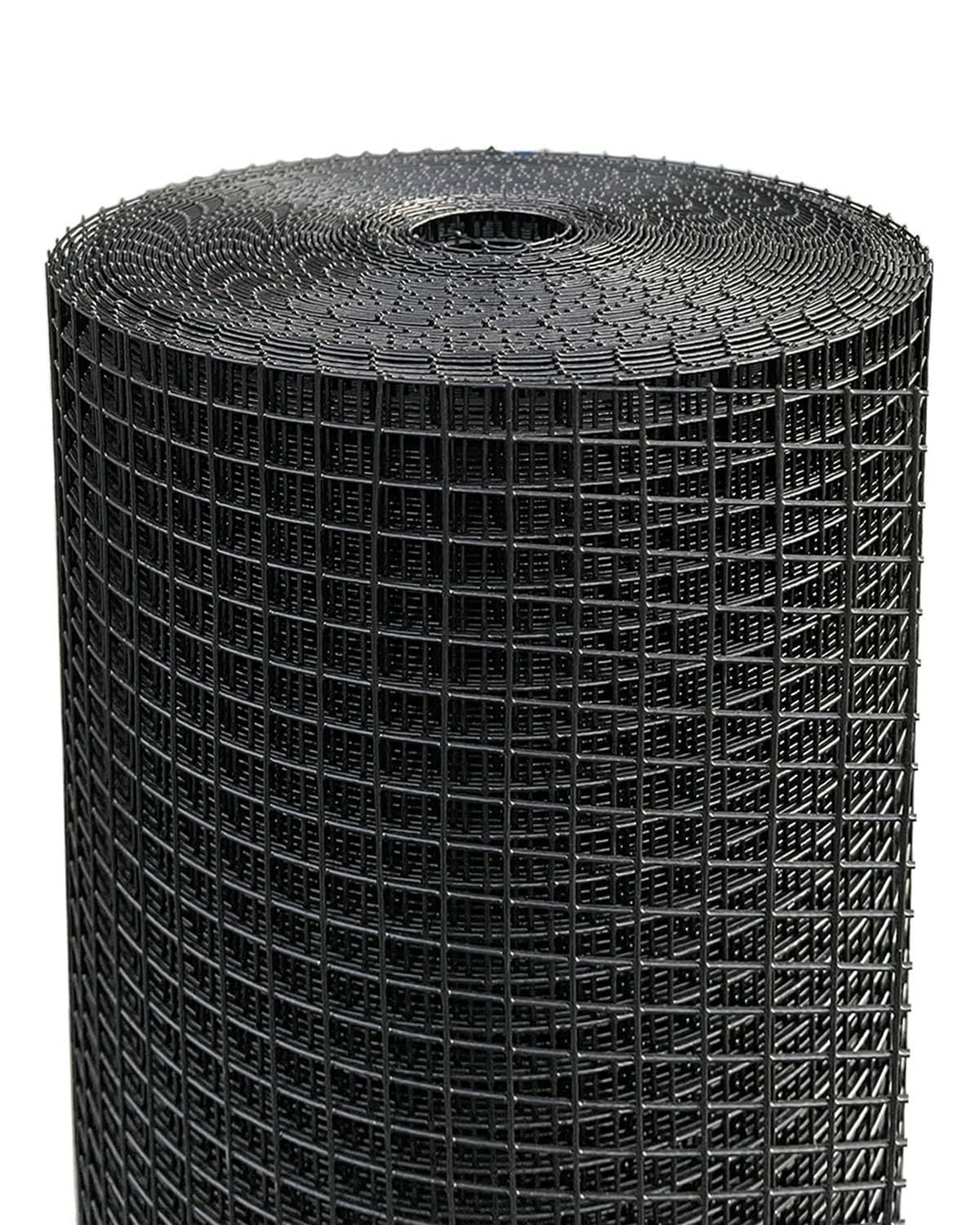
The dark mesh that disappears into the yard while predators bounce off it.
This is the same 1/2-inch, 19-gauge geometry that makes our top pick so effective, but wrapped in a black vinyl exterior over a galvanized steel core. The payoff is twofold: the double-layer construction boosts rust resistance for outdoor life, and the dark color makes the fence nearly invisible — owners note it is almost imperceptible from 30 to 50 feet away. Your run stops looking like a prison and starts blending into the garden.
Predator protection is the core strength. The 1/2-inch openings are small enough that even chipmunks cannot squeeze through, and the rigid welded mesh holds its shape — one buyer swapped this in after a previous fence stayed crushed when leaned on. It is easy to cut with aviation snips, and the included cloth gloves are a thoughtful touch for the sharp edges.
The 48-inch height on a 100-foot roll gives you the same generous coverage as the best overall pick, at the same length. Where this pulls ahead is looks: for a visible run in a front or side yard, the black coating beats shiny galvanized every time. Keep in mind the coating adds a little bulk, so it is a touch less flexible for tight, intricate bends than bare wire.
Best for aesthetics: maximum predator defense that also disappears into your landscaping.
Skip if pricey: you are burying the mesh underground — the coating is less necessary below soil.
5. 19 Gauge Hardware Cloth 1/2 inch 48inch x 100ft (HUNKA METAL)

A farm-tested 1/2-inch mesh that survives a goat leaning on it without stretching.
This roll matches the specs of the value pick — 1/2-inch openings, 19-gauge wire, 48 inches by 100 feet — but its hot-dip galvanized finish is the headline. The coating process leaves a bright, smooth surface that resists rust far better than standard electro-galvanizing, which is exactly what you want for mesh that sits outside in rain and humidity for years. Owners mention it takes a beating: one confirmed it withstands goat ramming and scratching with “no stretching or tearing.”
Those same owners highlight how easy it is to work with. You can cut it with basic scissors or wire cutters into any shape you need, and the annealed steel base keeps it flexible enough to wrap tree trunks or line a raised bed without cracking. The open 1/2-inch grid also keeps good airflow through the coop, which helps in hot climates.
The brand ships it inspected before leaving the factory, packed in heavy-duty cardboard to survive long-distance shipping without dents. It also includes cloth gloves in the box — a small thing, but it saves your hands on day one. For a do-everything roll that moves between chicken runs, quail cages, and garden beds, this is a dependable all-rounder.
Thick 19-gauge wire
- Hot-dip galvanizing resists rust in harsh weather
- Survives heavy animal pressure without tearing
- Flexible enough for curved tree guards and beds
Hard to bend
- Sharp cut edges need gloves every time
- Thinner 19-gauge feel may surprise those expecting 16-gauge stiffness
Best for security: the homesteader juggling coops, cages, and garden beds from one roll.
6. GILPWA Wire Fence 36 in x 50 ft PVC Coated Welded Wire

A beefy 16-gauge welded fence that keeps dogs and rabbits in their lanes.
Flip the script from the hardware cloth above: this GILPWA panel uses a 2-inch x 2-inch mesh made from a much thicker 16-gauge wire. That thicker metal — a lower gauge number meaning more steel — is what makes it such a sturdy garden and pet barrier. It is the pick for keeping a small dog on a deck, a cat off a porch screen, or rabbits out of a vegetable bed, and the 36-inch height is just right for those ground-level jobs.
The black vinyl coating over galvanized wire gives it a smooth, clean surface that is easy to hose off, and it resists rust far better than bare wire. You can cut it with scissors and attach it to T-posts or wooden boxes, so installation is friendly for a weekend project. For the roles it is built for — pet containment and plant protection — buyers find it does the job well and looks great doing it.
The honest caveat comes from the install side: the last few feet of the roll arrive rolled so tight that they are genuinely hard to manage and flatten out. Owners note the coating and solid feel as clear wins, and the 5-year warranty adds confidence. Compare the numbers with the SANZEUS above — that roll is 48 inches tall and 100 feet long, while this one is 36 inches and 50 feet — so this is the shorter, beefier option for perimeter jobs, not full-coop wrapping.
Best for pets: pet-proofing decks, porches, and garden borders where strength matters more than mesh density.
Skip for tall: predator-proofing a coop — the 2-inch gaps let raccoons reach right through.
7. 48” x 150′ Black Chicken Wire Mesh Fence (DOLEMODUO)

A 150-foot black hex net that covers the whole yard without a single splice.
If your project is defined by sheer distance, this is the roll that saves you from buying two. At 150 feet long and 48 inches tall with 1-inch hexagonal openings, it is the longest option here — half again as much coverage as the 100-foot rolls above. The black vinyl coating over hot-dip galvanized wire makes it all but disappear against dark fencing or foliage, and the included 4.5-inch plier is a genuinely handy bonus for cutting and cinching.
The double-twist braid construction is the durability story. It keeps the mesh sturdy and resists the sagging that plagues cheap netting, holding up better than nylon or plastic poultry mesh. Owners have used it to keep otters out of ponds and chickens off the electrified fence line, and the dark, low-profile look earns consistent praise.
Be honest about what this is, though: at 1-inch hex, it is a solid containment fence for chickens and a deer deterrent, not a raccoon-proof armor like the 1/2-inch hardware cloth ahead of it. And opinions split on sturdiness — some find it surprisingly rigid, others call it flimsy for heavy pressure. If your priority is covering a massive garden perimeter cheaply and invisibly, it delivers; if a raccoon is your nemesis, step down to a 1/2-inch welded option.
Best for long runs: the longest single-roll run and clean, near-invisible garden fencing.
Skip for strength: you need welded 1/2-inch protection against determined predators.
8. 1/4in Galvanized Hardware Cloth 48″ x 100′ 23 Gauge (LAN JIA)

The 1/4-inch grid that turns a coop into a fortress even a mouse can’t breach.
This is the tightest mesh on the list, and it exists for one reason: stopping the smallest intruders. At 1/4-inch square openings, it is the go-to for gopher guards, snake fencing, and rodent barriers — things that laugh at 1-inch chicken wire. It is the finest filter you can buy for a chicken run short of solid metal, keeping even baby chicks in and weasels out.
That density comes on a 23-gauge wire, which is noticeably thinner than the 19-gauge rolls above. The trade-off is real: it is lighter and easier to manipulate, but you trade raw strength for the tiny openings. The black annealed steel with solid welding holds up well for garden and cage work, and the roll is heavy-duty enough to be buried underground for years without needing replacement, per the maker.
Owners consistently rate the quality and function highly, with one clever reuse being repairs to shark-tooth sand sifters — a sign of how versatile this exact hole size is. It keeps raccoons away from chickens, and gloves ship in the box. The catch? That thin 23-gauge wire will not stand up to large predators throwing their weight at it, so match it to the pest, not the pressure.
Best for small pests: snakes, mice, and chipmunks are your real problem and you want an absolute barrier.
Skip for large: big predators like coyotes are the threat — the thinner wire lacks the bulk to stop them.
9. Fencer Wire Poultry Netting Fence, 20 Gauge Galvanized Hexagonal

The classic hex net that protects the garden without emptying the wallet.
This is the traditional poultry netting that most people picture when they think of a chicken fence — 1-inch hexagonal openings on 20-gauge galvanized steel, running 48 inches tall and 150 feet long. It is the budget-friendly entry point for the category, and it does exactly what a lightweight boundary fence should: keep chickens in a run, keep rabbits out of the garden, and do it without a big upfront investment.
The galvanized finish is applied before packing, giving it solid rust resistance for a fence that lives outdoors. And it is genuinely lightweight and sturdy — the reinforced hexagonal twist construction keeps it flat and straight for easy install, and the double-direction twist adds strength beyond what a simple weave gives you. You can trim it to size with basic tools and attach it to existing posts in an afternoon.
Where it differs from the hardware cloth stars above is predator defense. The 1-inch hex openings and lighter 20-gauge wire are right for deterring goats, dogs, and foraging animals, not for armoring a coop against raccoons. That is the honest line: this is a value pick for perimeter and garden protection, while the 1/2-inch welded rolls are the fortress upgrade. For the price, it is hard to argue with the coverage — 150 feet is a lot of fence for the money.
Best for poultry: large garden perimeters and light livestock containment on a budget.
Skip for tiny: a predator-proof coop — step up to 1/2-inch welded for that.
Understanding the Specs
Mesh Opening Size and Predator Math
The gap between wires is the single biggest decision. A 1-inch hex opening is standard chicken netting, but it lets a raccoon’s paw reach through to grab. A 1/2-inch welded square blocks that reach and stops most weasels, and a 1/4-inch opening even keeps snakes and mice out. Tighter mesh blocks more pests but costs more and weighs more per roll.
Wire Gauge and Real-World Strength
Gauge works backward — the lower the number, the thicker the wire. A 16-gauge wire is heavy and rigid, a 19-gauge is the versatile workhorse for most coops, and a 23-gauge is thin and light. Thicker resists pulling and rusts slower; thinner is easier to cut and bend. Pick a lower gauge number for heavy predator pressure and a higher one for easy handling.
FAQ
Is 1/2-inch hardware cloth really necessary for a chicken coop?
What does the wire gauge number mean for my fence?
What is the difference between galvanized and vinyl-coated wire?
Can I use chicken fencing to keep out snakes?
Is 2-inch mesh fencing good enough for chickens?
How much fencing do I need for a chicken run?
Should I bury the bottom of my chicken fence?
Can I cut hardware cloth with regular scissors?
How long does galvanized chicken fencing last outdoors?
Is hardware cloth the same as chicken wire?
Final Thoughts: The Verdict
For most keepers, the winner is the Nueve Deer 1/2-inch Hardware Cloth because it pairs the correct mesh size with proven quality at a length that covers a full run. If you want maximum strength against heavy predators, grab the GoldPeak 17-gauge cloth. And for a value 1/2-inch barrier that stretches the dollar, the SANZEUS roll is the one to reach for — the quality consensus across all three is so strong that you can build with confidence knowing the mesh math is on your side.
How We Picked
We do not accept paid placement. Every pick is matched to a real buyer and a real use-case; we do not hands-on test units.
Sources & Methodology
Specifications: manufacturer listings and product documentation. Review insights: verified customer reviews, as of August 2026. Pricing: not shown on this page (it changes often); check the current price via the retailer link.
As an Amazon Associate, FitlyFast earns from qualifying purchases. This does not affect which products we feature.