
Our readers keep the lights on and the weekend projects moving. As an Amazon Associate, I earn from qualifying purchases.
Polycarbonate is tough—until the wrong adhesive attacks it. Aggressive solvents cause stress cracking and clouding, ruining hours of fabrication. The right adhesive for polycarbonate fuses panels into a single, clear unit without weakening the plastic itself.
I’m Rikta — the founder and writer behind FitlyFast. I analyze critical material compatibility, solvent chemistry, and bond strength data to separate adhesives that preserve clarity from those that destroy a project.
Use this guide to find a solvent cement, epoxy, or cyanoacrylate that bonds polycarbonate securely. This is your definitive resource for picking the ideal adhesive for polycarbonate based on real-world performance and chemical safety.
How To Choose The Best Adhesive For Polycarbonate
Polycarbonate resists impact but reacts poorly to many common adhesives. The wrong choice leads to whitening, cracking, or a weak joint. Focus on three factors to get a reliable, clear bond every time.
Solvent Chemistry vs. Epoxy vs. Cyanoacrylate
Solvent cements like Weld-On physically fuse polycarbonate by dissolving the surface layers and re-hardening into a single piece. This yields the strongest, most invisible joint but requires precise technique. Two-part epoxies provide excellent gap-filling strength without attacking the plastic, ideal for bonding polycarbonate to dissimilar materials like metal. Cyanoacrylates offer fast setup for small repairs but can cause crazing if the formula is too aggressive—specialized low-odor or rubber-toughened CA glues are safer for polycarbonate.
Viscosity and Application Control
Water-thin solvents wick into tight seams via capillary action, producing a clean weld with minimal squeeze-out. Medium-bodied cements offer a balance of flow and gap-filling, useful for uneven joints. Thick formulas allow more positioning time but may leave visible excess. For vertical polycarbonate panels, a medium or gel consistency prevents drips and runoff.
Cure Time and Workability
Fast-setting options cure in seconds with an activator, speeding production but leaving no room for adjustment. Slower formulas—like 24-hour full-cure epoxies—give you 5+ minutes to align intricate assemblies. Consider your project scale: a single repair benefits from fast cure, while a multi-panel fabrication requires extended working time to align every seam.
Quick Comparison
On smaller screens, swipe sideways to see the full table.
| Model | Category | Best For | Key Spec | Amazon |
|---|---|---|---|---|
| WELD-ON 16 Acrylic Cement | Solvent Cement | Bonding polycarbonate to itself | Medium-bodied, fast-set | Amazon |
| 3M Scotch-Weld DP100 Plus | Epoxy | Bonding polycarbonate to metal | Clear, 2-5 min working time | Amazon |
| Starbond 5-Minute Epoxy Pro Kit | Epoxy | Flex-resistant repairs | 2,600 lb shear strength | Amazon |
| ixirpro CA Glue with Activator | Cyanoacrylate | Fast repairs and 3D prints | Three viscosities included | Amazon |
| Loctite Power Grab Crystal Clear | Construction Adhesive | Bonding polycarbonate to wood | Crystal clear, weatherproof | Amazon |
| Berkland Acrylic Cement | Solvent Cement | Precision wicking into seams | Water-thin, quick set | Amazon |
| FORTIVO 5200 Marine Sealant | Polyurethane | Outdoor polycarbonate sealing | UV resistant, 24-hr cure | Amazon |
In‑Depth Reviews
1. WELD-ON 16 Acrylic Plastic Cement

WELD-ON 16 is the industry standard for fusing polycarbonate to polycarbonate. Its medium-bodied solvent formula chemically welds the surfaces, creating a monolithic bond with no weak glue-line. The 5–6 minute working time is generous enough for aligning panels, yet the initial set arrives quickly so you can move on in the same session.
Because it’s a solvent cement, the bond strength exceeds the parent plastic itself in many cases—properly prepared joints will break the polycarbonate before the weld fails. It also works on 3D-printed PLA and ABS, making it a versatile workshop staple for anyone fabricating with polycarbonate sheet or prints.
Be mindful: the fumes are strong and can damage cutting mats or finished surfaces if spilled. Store the small tube upright, and cap immediately after each use to prevent the solvent from evaporating and thickening. The precision tip applies neatly, but avoid over-application on thin polycarbonate to prevent marring.
Why it’s great
- Chemically fuses polycarbonate into a single piece—no glue line
- Medium body allows controlled application on vertical seams
- Sets fast while leaving 5 minutes for positioning
Good to know
- Strong fumes require excellent ventilation
- Small tube runs out quickly on larger fabrications
- Can cloud polycarbonate if accidentally applied to surface
2. 3M Scotch-Weld Epoxy Adhesive DP100 Plus
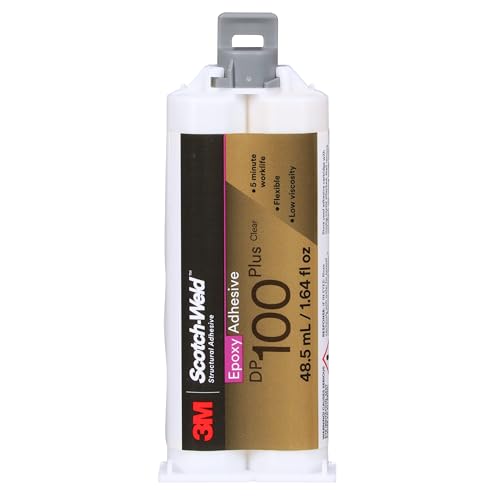
When you need to bond polycarbonate to metal, glass, or ceramics, 3M DP100 Plus is the professional-grade choice. This clear two-part epoxy resists thermal cycling, vibration, and flexing—critical for applications like automotive repairs, electrical enclosures, or structural assemblies where polycarbonate meets dissimilar materials.
The 2–5 minute open time lets you position components precisely before the cure locks them in. Full cure occurs within 1 hour, far faster than standard 24-hour epoxies, and the cured bond remains transparent. UL 94 HB certification adds confidence for industrial and electrical use.
You will need a manual or pneumatic dispensing gun for the duo-pak cartridge, which is sold separately. Once dispensed, the mix ratio is automatic, so no measuring errors. A single 48.5 mL cartridge is sufficient for several small repairs, but high-volume users should buy a bulk pack of mixing tips.
Why it’s great
- Engineered for thermal cycling without bond failure
- Clear finish preserves polycarbonate transparency
- Fast handling cure in just 1 hour
Good to know
- Requires a separate dispensing gun (not included)
- Small cartridge volume—not for large bonding areas
- Labeled for industrial/occupational use only
3. Starbond 5-Minute Epoxy Pro Kit

Starbond’s 5-Minute Epoxy uses a toughened formula that absorbs vibration and impact without brittle cracking—an excellent match for polycarbonate parts in dynamic environments like enclosures, brackets, or hobby builds. Its 2,600 lb shear strength provides serious holding power on clean surfaces.
The kit includes screw-cap bottles, mixing trays, spatulas, and a measuring spoon, which keeps the process mess-free and repeatable. The 1:1 ratio by volume is intuitive, and the gel consistency stays put on vertical polycarbonate panels without running. Cured epoxy is clear and slightly flexible, reducing stress on the polycarbonate substrate.
Note that while it works well on many plastics, it is not a solvent weld—the bond is mechanical and adhesive, not fused. For the strongest possible polycarbonate-to-polycarbonate joint, a solvent cement will outperform any epoxy. Nonetheless, for mixed-material bonding or repairs needing flex, this kit is a solid choice.
Why it’s great
- Toughened epoxy resists cracking under vibration and impact
- Complete kit with mixing tools included
- Clear gel consistency stays on vertical surfaces
Good to know
- Not as strong as solvent welding for clear-to-clear polycarbonate
- 5-minute working time is shorter than standard epoxies
- Full 24-hour cure needed before maximum load
4. ixirpro CA Glue with Activator Kit
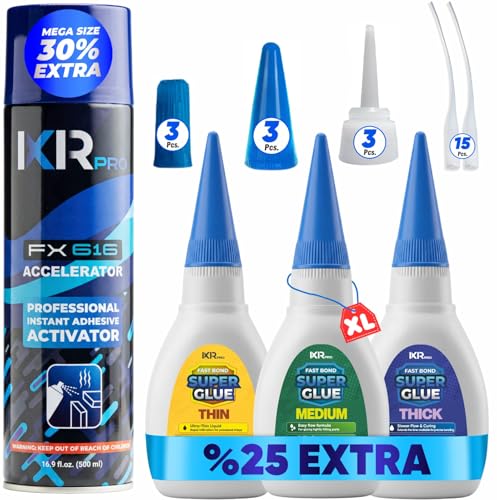
This CA glue kit provides thin, medium, and thick cyanoacrylates plus a large 16.9 fl oz activator spray. On polycarbonate, the thick CA formula is the safest bet—it fills gaps without running aggressively into hairline cracks where it might cause crazing. The medium and thin grades work well on 3D-printed parts and other durable plastics.
The activator is the star: spraying the bonded area cures CA glue in seconds, enabling instant handling strength for repairs. This makes the kit ideal for quick fixes on polycarbonate enclosures, model parts, or hobby components where clamping is impractical.
Super glues are inherently more brittle than epoxies or solvent cements. For load-bearing polycarbonate joints, CA alone is not the permanent solution. Also, some users report bottles arriving with swapped viscosity labels, so verify the consistency before committing to a critical bond.
Why it’s great
- Three viscosities cover a wide range of polycarbonate applications
- Activator spray cures bonds in seconds
- Large activator can reduces need for frequent replacement
Good to know
- Brittle bond—not for high-stress or flexing joints
- Thin formula may craze polycarbonate if over-applied
- Label swapping issue reported in some shipments
5. Loctite Power Grab Ultimate Crystal Clear
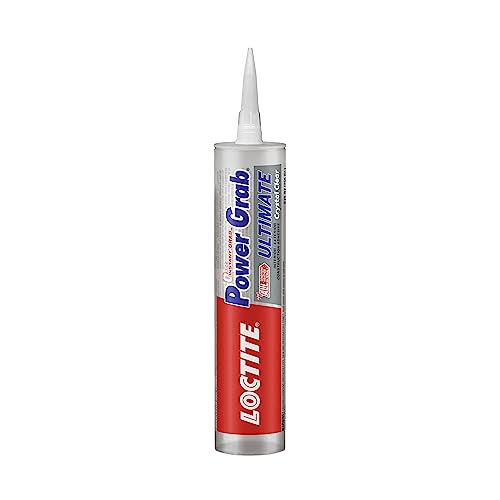
Loctite Power Grab is a construction-grade adhesive that dries crystal clear and bonds polycarbonate to wood, tile, metal, and other porous surfaces. Its rubberized consistency—described as jello-like—makes it easy to apply without drips, and it remains slightly flexible after curing to accommodate minor expansion.
With a temperature range of 0°F to 140°F and waterproof performance, it suits outdoor polycarbonate projects like greenhouse panels or skylights. The quick initial tack reduces the need for bracing, and it fills gaps effectively without shrinking. Users have installed heavy stainless steel backsplashes with this adhesive, proving its holding power.
This is not a solvent-welding adhesive—it bonds mechanically and is best for attaching polycarbonate to a different substrate. Drying time is 24 hours, and below-freezing temperatures can significantly extend cure. Cleanup requires mineral spirits before the adhesive dries.
Why it’s great
- Crystal clear finish on polycarbonate-to-wood or polycarbonate-to-tile bonds
- Waterproof and weatherproof for outdoor use
- Quick tack minimizes need for clamps
Good to know
- Slower cure in cold conditions
- Not designed for polycarbonate-to-polycarbonate welding
- Can remain tacky for extended period in sub-optimal temperatures
6. Berkland Acrylic Bonding Cement
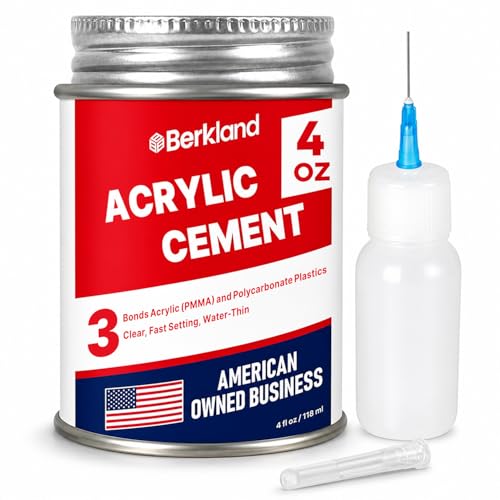
Berkland’s water-thin acrylic cement is designed for wicking into tight polycarbonate seams via capillary action. Its viscosity is comparable to water, meaning it flows effortlessly between clamped panels and creates an invisible welded joint. This is ideal for display cases, models, and repairs where appearance is paramount.
The applicator bottle includes a needle tip for controlled delivery, though the cement can leak from the tip if the bottle is left on its side. Work quickly—the initial set occurs in minutes, and full strength requires about 24 hours. The solvent is compatible with polycarbonate (Lexan) and standard acrylic, making it a dual-purpose solution for fabricators.
Because the cement is so thin, vertical application can be problematic—gravity pulls the liquid out of the seam, leaving a messy residue. Best practice is to clamp and capillary-feed sideways or from below. High humidity may produce slight whitening, so consider your workshop environment before use.
Why it’s great
- Water-thin formula wicks into ultra-tight seams
- Creates invisible weld on clear polycarbonate
- Precision needle applicator for detailed work
Good to know
- Difficult to control on vertical surfaces
- Needle tip can leak if not stored upright
- Whitening may occur in humid conditions
7. FORTIVO 5200 Marine Sealant
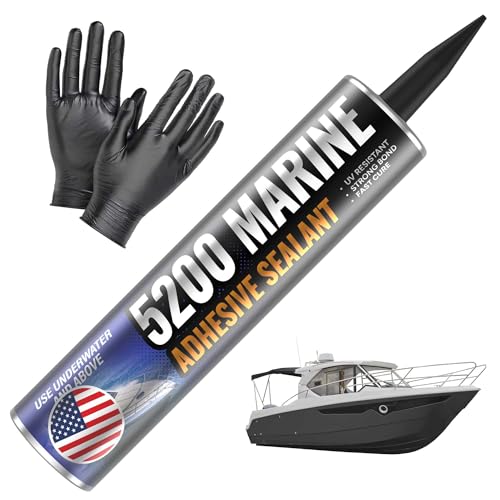
FORTIVO 5200 is a polyurethane marine sealant that bonds polycarbonate to fiberglass, gelcoat, and wood for heavy-duty outdoor assemblies. Its UV resistance prevents yellowing and degradation, critical for polycarbonate panels exposed to direct sunlight. The sealant cures to a tough, rubbery consistency that handles vibration and water immersion.
With a tensile strength of 1,000 PSI and tack-free time of 2 hours, it offers reliable performance for boat hatches, RV windows, and greenhouse fittings. The included gloves and nozzle simplify application, though the sealant is notoriously difficult to remove from skin—gloves are mandatory. Full cure in 24 hours enables fast project turnaround.
This is not a transparent bonding solution; the white color is visible after cure. Use it where appearance is less critical than weatherproof sealing. It is more suited to bonding polycarbonate to other substrates than fusing two polycarbonate panels together.
Why it’s great
- Superior UV and weather resistance for outdoor polycarbonate use
- High tensile strength—1,000 PSI for heavy loads
- Tack-free in just 2 hours
Good to know
- Cures white—not suitable for invisible bonding
- Extremely sticky; gloves are essential
- Not a solvent weld; mechanical bond only
FAQ
Will regular super glue damage polycarbonate?
Can I use Weld-On 16 on polycarbonate or only acrylic?
How do I remove excess solvent cement from a polycarbonate surface?
What is the strongest adhesive for polycarbonate to metal?
Do I need to roughen polycarbonate before gluing?
Final Thoughts: The Verdict
For most users, the adhesive for polycarbonate winner is the WELD-ON 16 Acrylic Cement because it chemically fuses polycarbonate into a single, clear unit with strength that exceeds the plastic itself. If you need to bond polycarbonate to metal or dissimilar materials, grab the 3M Scotch-Weld DP100 Plus. And for fast, visible repairs on non-critical polycarbonate parts, nothing beats the speed of the ixirpro CA Glue with Activator.